
X
 [searchandfilter id="40551"]
[searchandfilter id="40551"]
[searchandfilter id="40551"] 
January 29, 2009




Salmonella in peanut butter, mercury in high fructose corn syrup, staph-resistant bacteria in pork, and now, new and improved bisphenol A (BPA), with longer staying power, in your very own body.
Expand your understanding of food systems as a Civil Eats member. Enjoy unlimited access to our groundbreaking reporting, engage with experts, and connect with a community of changemakers.
Already a member?
Login
Yesterday, the online journal Environmental Health Perspectives published new research that shows that high levels of BPA—a chemical with potential links to a wide range of health effects—remain in the body even after fasting for as long as 24 hours. Dr. Richard Stahlhut of the University of Rochester and colleagues obtained data for a sample of 1,469 American adults through the CDC’s National Health and Nutrition Examination Survey (NHANES).
According to the authors, two possible explanations might exist for the higher levels of BPA in people who fasted: One is that exposure to BPA might come through other means, such as house dust or tap water. The second is that BPA may penetrate fat tissues, where it would be released more slowly. But the research indicates for the first time that we are either constantly being bombarded with BPA from non-food sources or we are storing it in our fat cells, unable to get rid of it as quickly as scientists have believed.
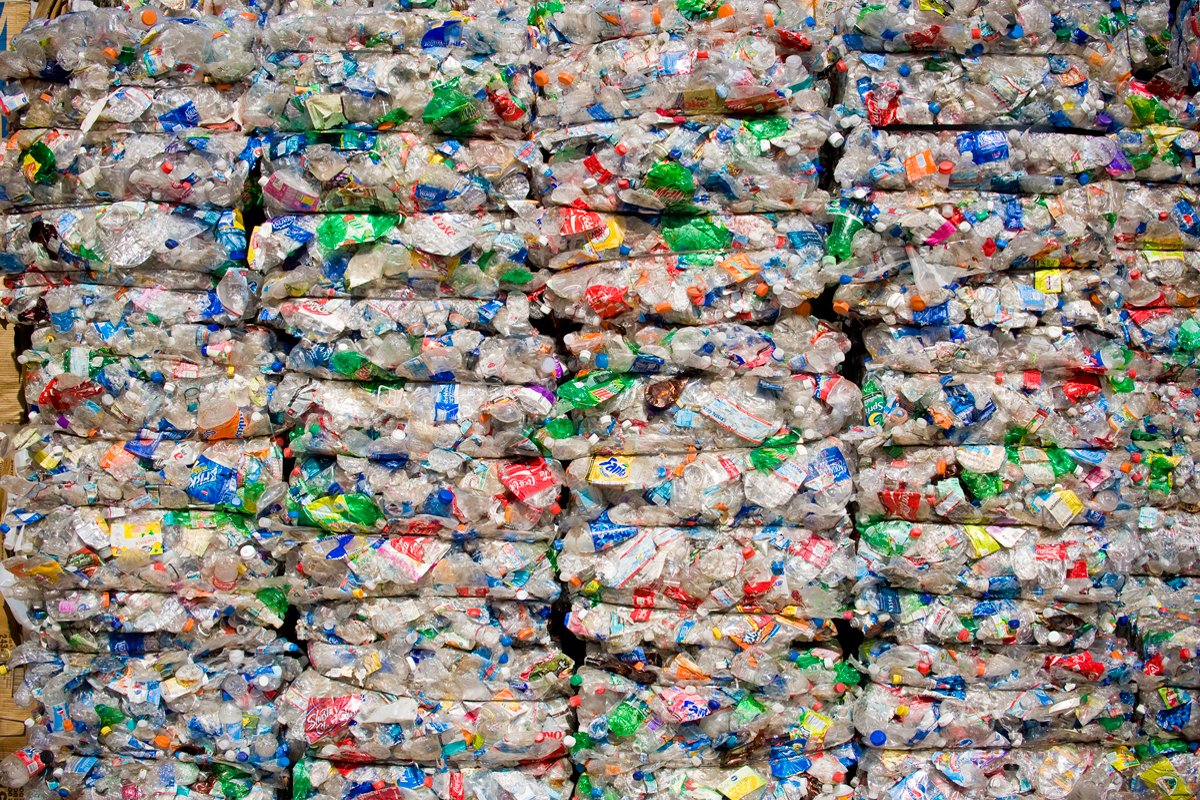
The Centers for Disease Control estimates that 93 percent of Americans have detectable levels of BPA in their urine. BPA is found in the linings of metal food cans and in many plastic products, including sports bottles, food-storage containers and baby bottles. It’s also used in PVC water pipes and in dental sealants. Cellular, animals and some human studies have shown BPA effects on the brain, prostate, normal hormonal systems and gene programming which can lead to several problems with reproduction, behavior, insulin resistance, heart disease and even cancer.

The FDA and the European Food Safety Authority had declared BPA safe based, in part, on assumptions that BPA passed quickly through the body and that people were exposed to BPA primarily through food. Canada, however, has declared BPA to be a toxin and banned its use in baby bottles last year. More than a dozen states are considering banning it too.
In September, the National Toxicology Program expressed “some concern” about the effects of BPA on the development in children and fetuses. Then in October, an advisory panel to the FDA harshly criticized the agency, saying it ignored important evidence, including studies that suggest babies are at risk. In December, the FDA finally agreed to reconsider the health risks of BPA, but at present, the agency hasn’t changed its opinion on BPA’s safety.
If you haven’t been up on BPA-water-bottle-gate, the Milwaukee Journal Sentinel has done some outstanding reporting on conflicts at FDA and also tested 10 household products and found toxic levels of BPA leaching from all of them. The newspaper found federal regulators favored industry-financed studies in their assessments. (The FDA safety assessment relied on two studies, both paid for by chemical-makers, and ignored hundreds of independent studies that found the chemical to cause harm in laboratory animals.) Another must read is Fast Company’s in-depth piece on the real story of BPA.
More research on long-term exposure to BPA is critical so that we can learn how BPA might be stored in fat and to determine the myriad means by which we are being exposed to this toxin. In the meantime, consumer advocates advise avoid using food containers with BPA. Drinking from metal or glass water bottles and avoiding canned foods by buying in buy in bulk are some good ways to try and avoid BPA until we learn more. Let’s hope that’s soon.
Photo: gerrychu

Stories change how we see food — and how we act on it.
From farmworkers to policymakers, Civil Eats lifts up the people building a better food system.
Your gift this season will be doubled through NewsMatch, fueling independent journalism that’s hopeful, honest, and free for all.
Together, we can keep these stories alive — and keep the movement growing.
Give Today.

June 26, 2025
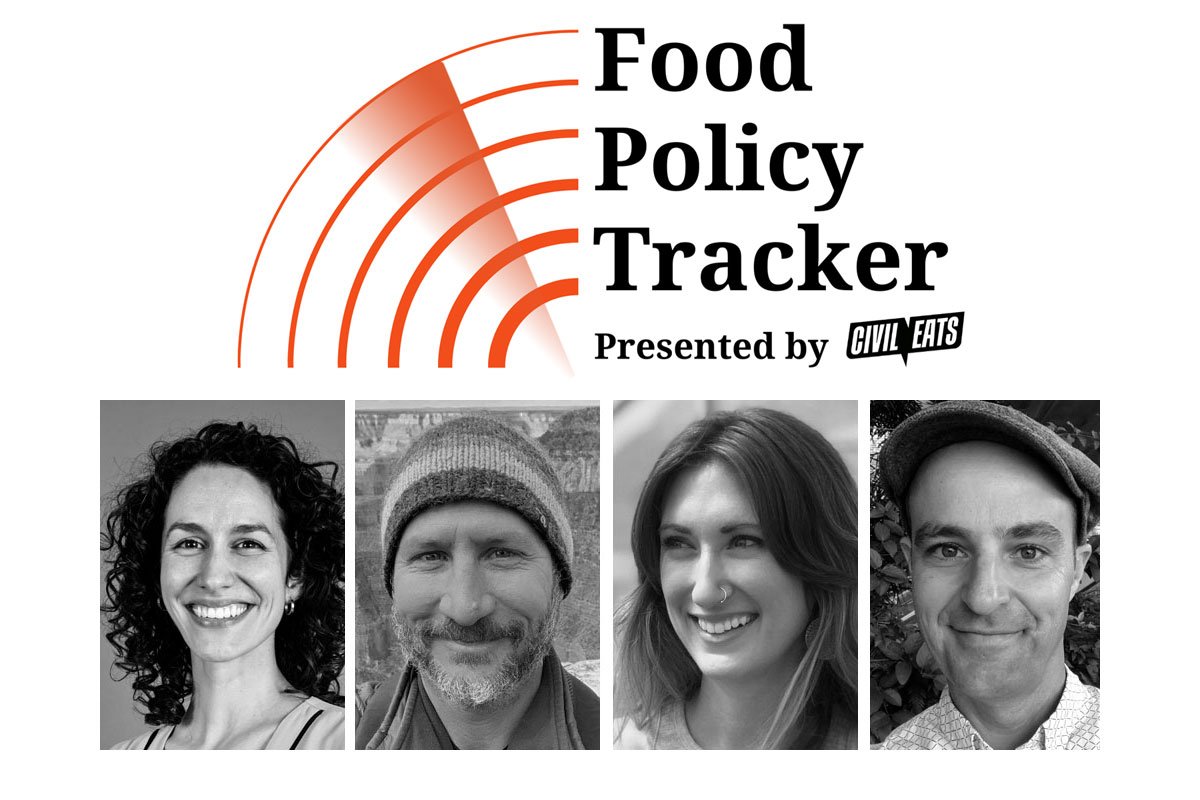
At our latest Civil Eats virtual salon, our team talked about the launch and evolution of the Tracker, a running report on federal actions that affect food and agriculture.
January 20, 2025
July 2, 2025







Like the story?
Join the conversation.
Warning: Undefined variable $aria_req in /srv/users/civileats/apps/civileats/public/wp-content/themes/CivilEats/comments.php on line 16
Warning: Undefined variable $aria_req in /srv/users/civileats/apps/civileats/public/wp-content/themes/CivilEats/comments.php on line 21