X
 [searchandfilter id="40551"]
[searchandfilter id="40551"]
[searchandfilter id="40551"] 
February 1, 2010




This is the first in series of posts about food systems issues in and around Brazil. Sara will contribute to a new column called The Foodshed Nomad. Look for her updates regularly.
Expand your understanding of food systems as a Civil Eats member. Enjoy unlimited access to our groundbreaking reporting, engage with experts, and connect with a community of changemakers.
Already a member?
Login
I’m on the floor of my father’s Manhattan apartment, surrounded by luggage, paperwork, books and a sprawl of clothes and toiletries. It is a mere two days from my departure for Brazil, and it feels like there are mountains of tasks to complete before I get on the plane. Sitting here, pounding away at my keyboard, catching up on emails and typing up loose ends, I finally forced myself to find a moment to write.
Allow me to introduce myself. My name is Sara Franklin. I have worked in food systems for several years now in a variety of capacities— I have studied nutrition and agriculture; I have farmed; I have worked for anti-hunger organizations dealing with a lack of healthy, accessible food in urban areas; I have worked to build capacity among community-based groups across the U.S. using agriculture as a tool of empowerment to work towards eliminating hunger and poverty; I have been a restaurant critic, a freelance writer, and consultant for various organizations; and I have built gardens in cities and the countryside. But what has, perhaps, taught me most about food systems issues and their pervasiveness is travel. In visiting farmers and activist groups working in food and agriculture in the U.S. and abroad, I have learned that the issues related to food systems are a universal language. Food systems issues cut across cultures and create common ground, allowing space for us to learn from one another; issues of sustainability, hunger, wages, labor conditions, food deserts, malnutrition, livability in urban areas, the deterioration of rural communities… the list goes on and on. Although these conversations may look different from location to location, the themes remain the same. Those who engage with these issues share a common passion for their work, a dedication to finding lasting solutions to societal issues, using the lenses of food and agriculture as their frames of reference.
I’ve traveled extensively in recent years, yet much of my time has been based in the U.S. Northeast. Now for nearly three months this winter, I will live, work, and travel in Brazil.

My reasons for going are many—Brazil’s agricultural history, its tremendous urban migration, heated battles over land use and displacement, and enormous social inequities are just a few of the compelling reasons I have chomped at the bit to explore this enormous country. And, of course, an interest of any avid traveler: the food.
I have ideas and tentative itineraries for the months ahead, but of course, the best laid plans… What I do know is that for the first half of my trip, I will be based in Rio de Janeiro, the Marvelous City. There, I’ve hooked up with an organization that builds and maintains food security gardens and teaches cooking and nutrition education in low-income communities. Getting my hands back in the soil has been on my mind more or less constantly since I stopped farming in the fall of 2007 to move to Brooklyn for work, and I can’t think of a more exciting way to re-enter the world of agriculture than in a foreign (to me) cultural context. New techniques and crops await me, and I’m looking forward to sharing my own skills and knowledge with my Brazilian counterparts.
So stay tuned! I can’t wait to start writing from the road. Next stop: Rio.

Stories change how we see food — and how we act on it.
From farmworkers to policymakers, Civil Eats lifts up the people building a better food system.
Your gift this season will be doubled through NewsMatch, fueling independent journalism that’s hopeful, honest, and free for all.
Together, we can keep these stories alive — and keep the movement growing.
Give Today.

June 26, 2025
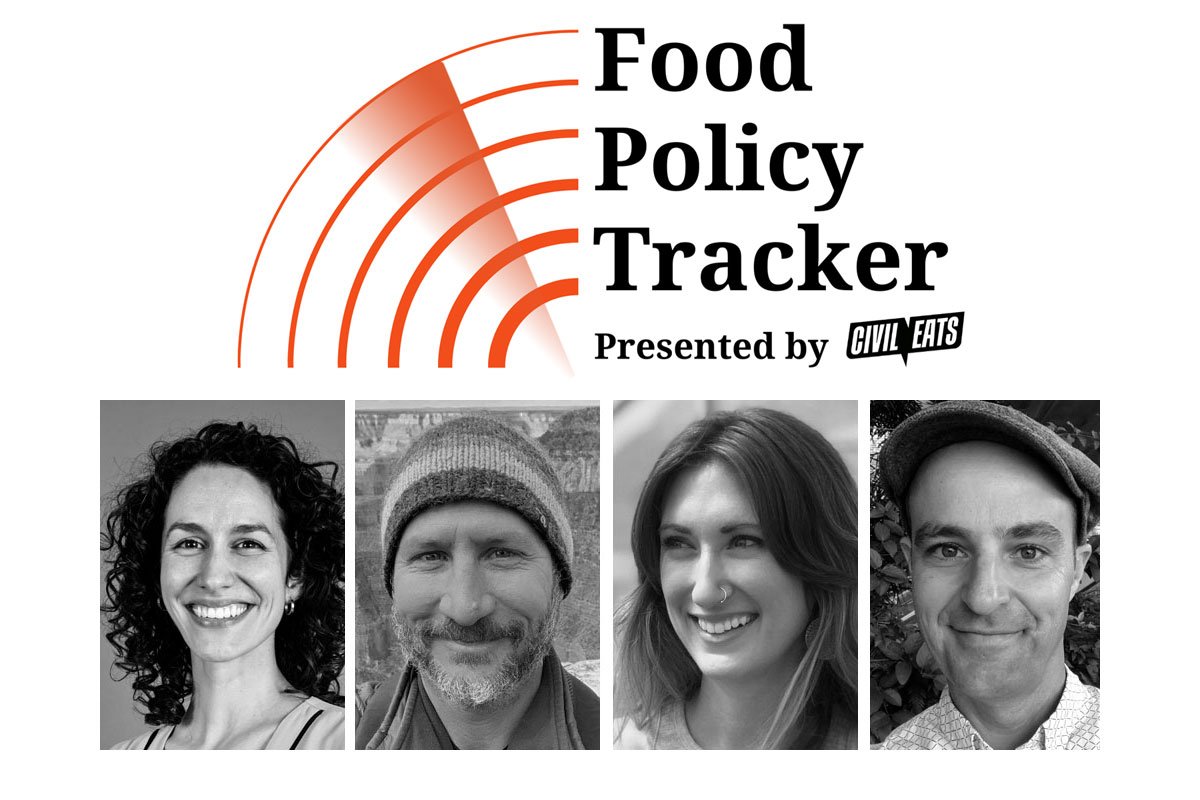
At our latest Civil Eats virtual salon, our team talked about the launch and evolution of the Tracker, a running report on federal actions that affect food and agriculture.
January 20, 2025
July 2, 2025
congratulations.
taking on the work in Brazil sounds like David versus Goliath. i am new to the involvement in transition town here on vancouver island, and find like minded people, such as yourself, to be inspiring. good luck, and safe travels.