
X
 [searchandfilter id="40551"]
[searchandfilter id="40551"]
[searchandfilter id="40551"] 
April 23, 2010



An iron-clad rule for government bureaucrats of all ranks: thou shalt not question the American habit of eating more than a half pound of meat per day. The folks responsible for churning out millions of pounds of steaks, chops, nuggets, and burgers–and vast, toxic manure cesspools–are sensitive souls. Hurting their feelings is … mean! From the Hill:
Expand your understanding of food systems as a Civil Eats member. Enjoy unlimited access to our groundbreaking reporting, engage with experts, and connect with a community of changemakers.
Already a member?
Login
The Farm Bureau is none too happy with the EPA today for publishing a blog post urging Americans to give up meat.
The post in question was written by an EPA intern and recounts her decision to stop eating meat. The author, Nicole Reising, cites the “environmental effects of meat production” and urges readers to stop eating meat.
….
The American Farm Bureau Federation issued a statement today decrying the post as disrepectful to ranchers.
“While this is a position taken by an intern of the agency, EPA should control its blog space,” said AFBP President Bob Stallman. “What is written on its blog comes across as its official position toward farmers and ranchers that it regulates and shows a terrible disregard for them and the agriculture industry.”

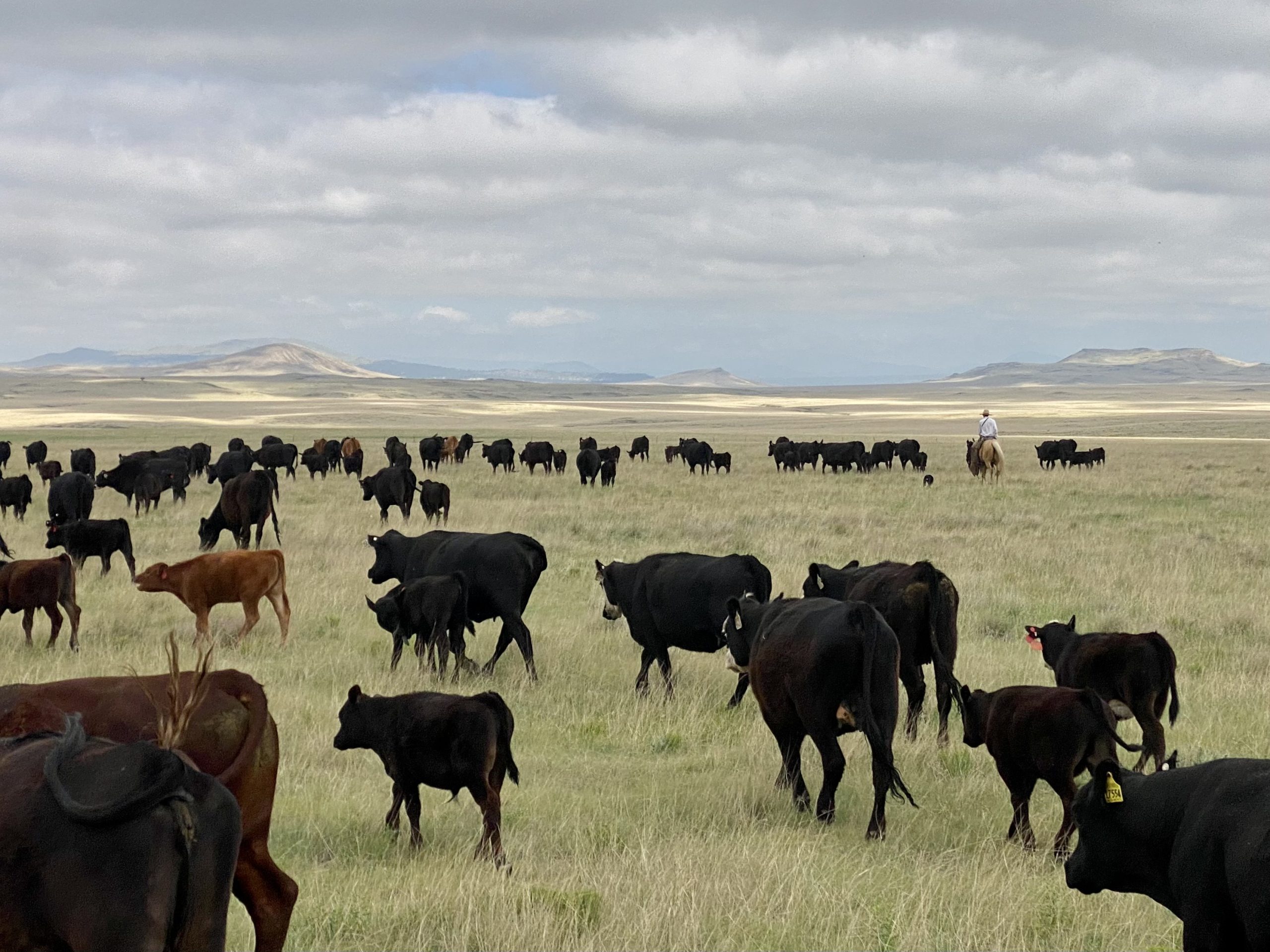
To be clear, the American Farm Bureau Federation calles itself the “Voice of Agriculture,” but it’s really the voice of industrial agriculture–and the few companies that benefit from it. To say that the EPA “regulates” concentrated-animal feedlot operations (CAFOs) is a bit fanciful. As the Washington Post recently put it:
Despite its impact, manure has not been as strictly regulated as more familiar pollution problems, like human sewage, acid rain or industrial waste. The Obama administration has made moves to change that but already has found itself facing off with farm interests, entangled in the contentious politics of poop.
The brazen intern in question, Nicole Reising, had proposed–without considering the feelings of meat-industry execs or CAFO operators!–that “Regulations can be made to help prevent the effects of meat production, but the easiest way to lessen the environmental impacts is to become a vegetarian or vegan.”
Over on TNR, Brad Plumer quibbles with Reising: “if you’re trying to tamp down on the consequences of meat production, the ‘easiest’ approach may be to start small and just convince people to eat less meat, rather than swearing off it altogether.”
I would quibble with Reising and Plumer. Habits form and congeal over decades. Historically, meat has been dear; it’s now cheap largely due to specific government action and inaction over the past 30 years.
People aren’t going to cut back on meat because EPA interns and political bloggers want them to. Curbing the ruinous practices of the meat industry starts with enforcing the regulations already on the books; and that means a new commitment on the part of Reising’s bosses at the EPA, as well as leaders at FDA and USDA, to make the meat industry pay for the messes it creates.
When that happens, people will surely eat less meat–and the meat that they do eat will tend to come from ecologically robust agriculture, and not the dark, Satanic meat mills that now dominate. Check out my recent post on what it would take to expand human-scale, pasture-based meat production.
Originally published on Grist

Stories change how we see food — and how we act on it.
From farmworkers to policymakers, Civil Eats lifts up the people building a better food system.
Your gift this season will be doubled through NewsMatch, fueling independent journalism that’s hopeful, honest, and free for all.
Together, we can keep these stories alive — and keep the movement growing.
Give Today.

June 26, 2025
At our latest Civil Eats virtual salon, our team talked about the launch and evolution of the Tracker, a running report on federal actions that affect food and agriculture.
January 20, 2025
July 2, 2025






Like the story?
Join the conversation.
Warning: Undefined variable $aria_req in /srv/users/civileats/apps/civileats/public/wp-content/themes/CivilEats/comments.php on line 16
Warning: Undefined variable $aria_req in /srv/users/civileats/apps/civileats/public/wp-content/themes/CivilEats/comments.php on line 21