
X
 [searchandfilter id="40551"]
[searchandfilter id="40551"]
[searchandfilter id="40551"] 
March 22, 2011




Strawberries are tasty, sweet treats that announce spring and warmer weather. We use them in baking, cocktails, and eat them straight out of hand. As delicious as strawberries are, they are also a huge industry in California–the state is the nation’s leading producer and over 37,000 acres are set aside for strawberry production this year. They are the sixth most valuable fruit crop in California, with an approximate value of $2.1 billion.
Expand your understanding of food systems as a Civil Eats member. Enjoy unlimited access to our groundbreaking reporting, engage with experts, and connect with a community of changemakers.
Already a member?
Login
Because they are such an enormous part of California’s agricultural economy, strawberries are also a microcosm of many issues facing the industry, especially the proposed use of highly toxic chemicals like methyl iodide and the labor, health, and safety issues that accompany it.
Called “one of the most toxic chemicals on earth,” methyl iodide remains a pesticide that is used in growing strawberries. A carcinogenic toxin, it is harmful to farm workers and the communities surrounding the strawberry fields themselves. While the U.S. Environmental Protection Agency (EPA) approved methyl iodide for use in 2007, it wasn’t until December 2010 that outgoing Governor Arnold Schwarzenegger controversially approved its use in California over the vehement protest of many scientists, and more than 53,000 public comments.
Join us on Wednesday, April 6, at Viracocha in San Francisco, for the next installment of Kitchen Table Talks. We’ll gather to discuss this important issue and some of the many related and critical issues facing agriculture in California.
Joining us in our panel for the discussion will be:
Sam Mogannam, owner of Bi-Rite, a neighborhood market in the Mission district of San Francisco renowned for the care and consideration invested in its sourcing practices. Sam is uniquely versed in local farmers and their growing methods and will share his insight into why he chooses organic strawberries and what he looks for when buying them.

Dana Perls, Community Organizer for the Central Valley and Bay Area region at Pesticide Watch. Dana will tell us about the methyl iodide fight and how she believes we should help push Governor Brown to overturn the previous administration’s decision.
Brett Melone, the Executive Director of the Agriculture & Land-Based Training Association (ALBA). The Salinas/ Watsonville area is the largest grower of strawberries in the state, and ALBA is in the middle of the action. ALBA helps to generate opportunities for farm workers, by empowering them through training for their roles as pickers, crop growers, to farmers market vendors and has fostered 40 new farmers through their Farm Incubator Program. Many of those farmers grow strawberries.
Ryan Casey from Blue House Farm, a certified organic farm located on the San Mateo Coast in Pescadero. The farm grows a diversified assortment of fresh produce, fruit, and flowers and is committed to providing delicious, seasonal, local foods to the peninsula region. Ryan will discuss the realities of growing and selling organic strawberries in the San Francisco Bay Area.
Wednesday, April 6, 2011
Viracocha, 998 Valencia Street @ 21st Street, San Francisco
Food and drink at 6:30 p.m.; Discussion at 7 p.m.
Kitchen Table Talks is a joint venture of CivilEats and 18 Reasons, a non-profit that promotes conversation between its San Francisco Mission neighborhood and the people who feed them. Space is limited, so please RSVP. A $10 suggested donation is requested at the door, but no one will be turned away for lack of funds. Sustainable food and refreshments will be provided, courtesy of Bi-Rite Market and Shoe Shine Wine.

Stories change how we see food — and how we act on it.
From farmworkers to policymakers, Civil Eats lifts up the people building a better food system.
Your gift this season will be doubled through NewsMatch, fueling independent journalism that’s hopeful, honest, and free for all.
Together, we can keep these stories alive — and keep the movement growing.
Give Today.

June 26, 2025
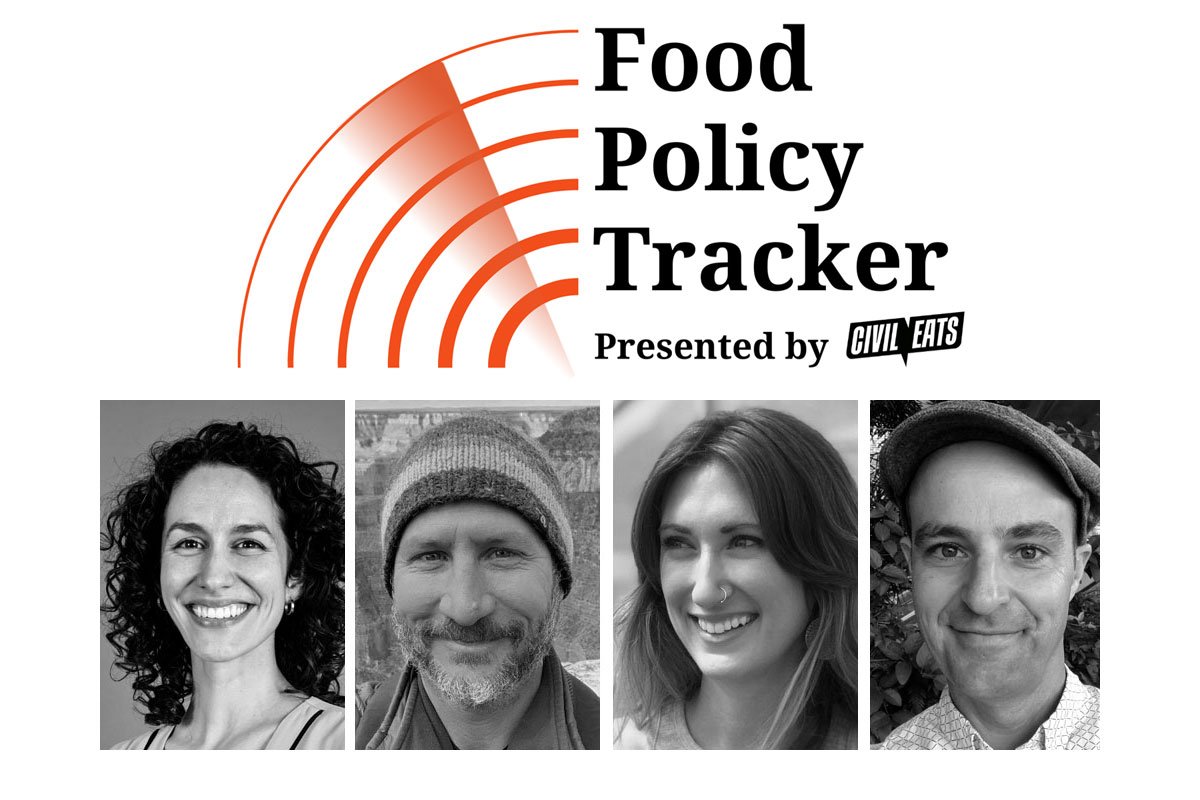
At our latest Civil Eats virtual salon, our team talked about the launch and evolution of the Tracker, a running report on federal actions that affect food and agriculture.
January 20, 2025
July 2, 2025



Like the story?
Join the conversation.
Warning: Undefined variable $aria_req in /srv/users/civileats/apps/civileats/public/wp-content/themes/CivilEats/comments.php on line 16
Warning: Undefined variable $aria_req in /srv/users/civileats/apps/civileats/public/wp-content/themes/CivilEats/comments.php on line 21