
X
 [searchandfilter id="40551"]
[searchandfilter id="40551"]
[searchandfilter id="40551"] 
August 18, 2011




For a dozen years Greg Allen has been living in Harlem and thinking, “Someone should open a grocery store here.” He would goad the owner of the nearest corner store, telling him he’d be the richest man on the block if he would only stock fresh produce — but to no avail. Meanwhile, as a caseworker, Allen was becoming increasingly frustrated as he watched young people age out of the homeless youth program he worked for. Participants leave the program at the age of 24 never having held a job in their lives, so their prospects start out dismal and just worsen as time goes on. Then one day Allen put the two problems together and came up with a solution he’s calling the Sweetwork Project.
Expand your understanding of food systems as a Civil Eats member. Enjoy unlimited access to our groundbreaking reporting, engage with experts, and connect with a community of changemakers.
Already a member?
Login
The Sweetwork Project is — or will become — a cooperative grocery store in Harlem that will employ the same kinds of disenfranchised yet promising youth Allen has been working with. Workers will start off at a $28,500-year salary and progress through an aggressive schedule of pay increases. After a year of employment, workers have the opportunity to receive shares of the grocery store as part of their compensation (a co-op model inspired by the California sex toy company Good Vibrations). This is what Allen refers to as “radical access” — access to ownership for people who would otherwise not have the financial means. Allen believes it’s the responsibility of entrepreneurs “to think of creative ways to solve urgent social problems.”
As of this writing, The Sweetwork Project has been funded through Kickstarter with time to spare. Allen has been gratified by the response, though of course he welcomes additional funding through the Web site until tomorrow. He notes that most of the funding has come through complete strangers, some donating as much as $1000. “People are so ready for something like this,” he says. “I feel optimistic about the future and getting investors. People really want this to happen and want to help make it happen.”

As is the case with many Kickstarter projects, Sweetwork combines the liberal spirit of social reform with pragmatic entrepreneurship. It is, according to Allen, “an honest-to-goodness capitalist co-op; we want to make money.” He sees the project as an alternative to the non-profit and government solutions that sometimes misfire. In Allen’s experience, many job programs train people in superficial skills like resume writing that, in his opinion, do little to help people obtain and keep jobs. Instead, he wants to find talented and motivated individuals and cultivate in them the deeper kinds of skills that are essential for long-term career prospects, like thinking on your feet and being flexible.
Sweetwork Project will launch this fall as a pop-up coffee shop that will hopefully also sell some produce. Allen feels it’s important to get the project started as soon as possible rather than to wait until all the details fall into place. After 90 days the store will expand into a grocery. He has posted his business plan and a mission statement for anyone interested in learning more. Meanwhile, Allen is in talks with a couple of other food co-ops about facilitating additional fundraising and support; a mandate of the co-op model is to help start other co-ops, something Allen would love to see proliferate everywhere. “Why shouldn’t there be a cooperative in every zip code?”

Stories change how we see food — and how we act on it.
From farmworkers to policymakers, Civil Eats lifts up the people building a better food system.
Your gift this season will be doubled through NewsMatch, fueling independent journalism that’s hopeful, honest, and free for all.
Together, we can keep these stories alive — and keep the movement growing.
Give Today.

June 26, 2025
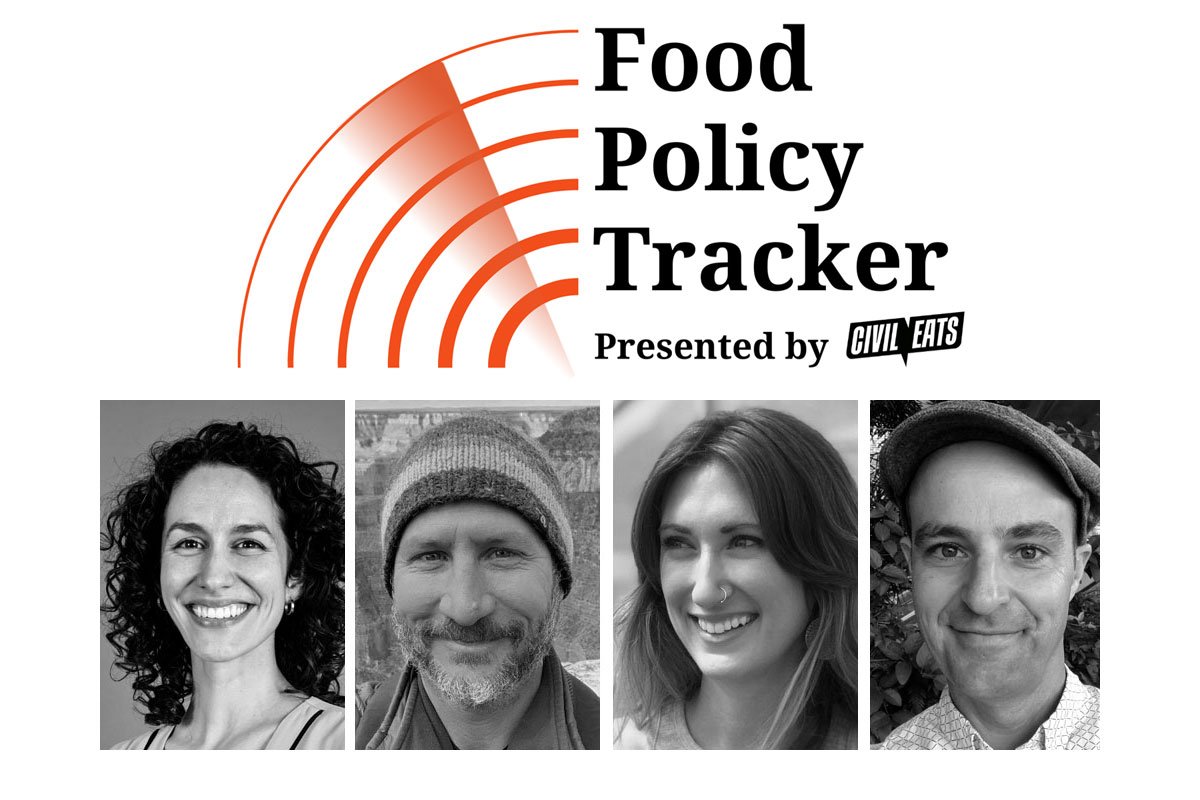
At our latest Civil Eats virtual salon, our team talked about the launch and evolution of the Tracker, a running report on federal actions that affect food and agriculture.
January 20, 2025
July 2, 2025




Like the story?
Join the conversation.
Warning: Undefined variable $aria_req in /srv/users/civileats/apps/civileats/public/wp-content/themes/CivilEats/comments.php on line 16
Warning: Undefined variable $aria_req in /srv/users/civileats/apps/civileats/public/wp-content/themes/CivilEats/comments.php on line 21