X
 [searchandfilter id="40551"]
[searchandfilter id="40551"]
[searchandfilter id="40551"] 
February 15, 2012



This week Congress begins hearings on the 2012 farm bill, the massive piece of legislation that gets updated about every five years and undergirds America’s entire food supply, but that few mortals can even understand. As nutrition professor Marion Nestle recently lamented, “no one has any idea what the farm bill is about. It’s too complicated for any mind to grasp.”
Expand your understanding of food systems as a Civil Eats member. Enjoy unlimited access to our groundbreaking reporting, engage with experts, and connect with a community of changemakers.
Already a member?
Login
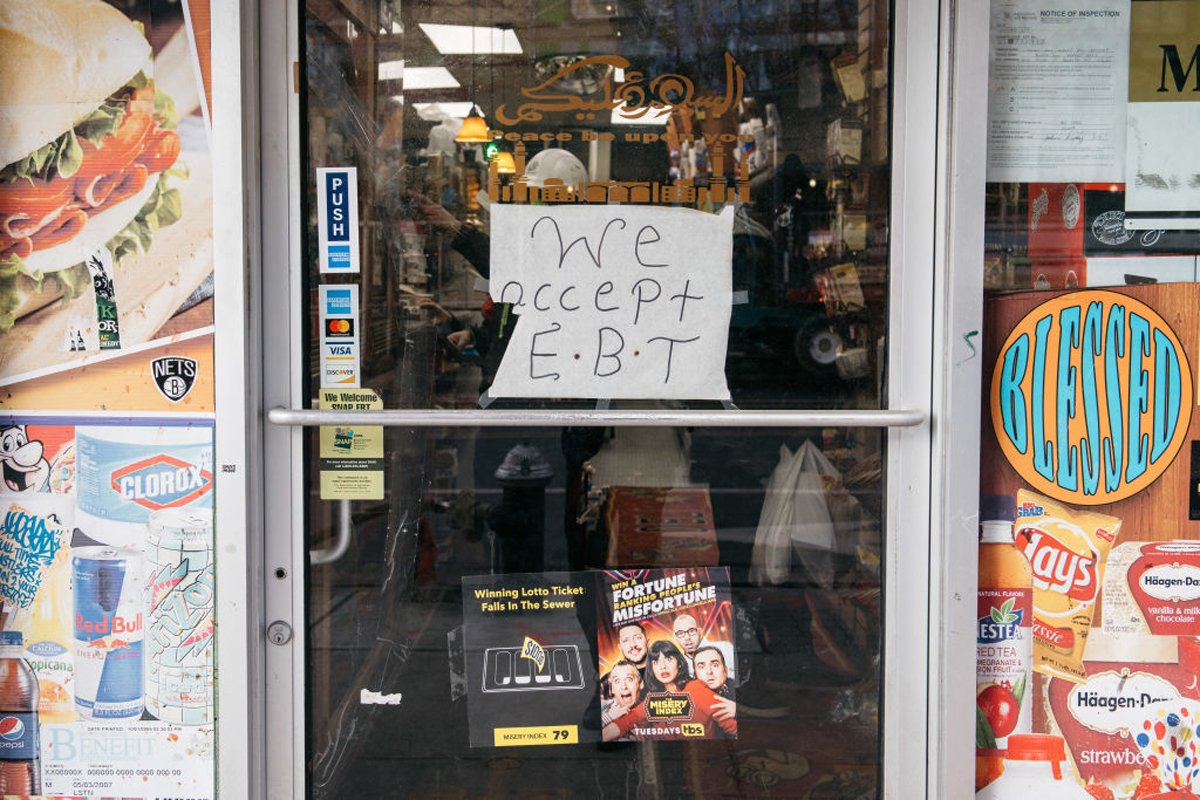
Nestle also called the Supplemental Nutrition Assistance Program (SNAP, formerly known as food stamps) “the huge elephant in the farm bill” because its enormity trumps everything else. This entitlement program (the budget expands as more people enroll) provides modest monthly benefits for food purchases and represents a critical lifeline to many people in need.
In recent years, public health and food policy experts have sounded the alarm about how farm bill programs supporting all the wrong crops (think corn and soy) contribute to America’s epidemic of obesity and diet-related diseases. This is certainly true, along with a host of other economic drivers.
But are we focusing too much on the commodity title and not enough on the nutrition title when it comes to how the farm bill truly subsidizes Big Food? After all, even if the commodity title was completely eliminated, most economists believe it would have minimal impact on healthy food consumption.
SNAP spending dwarfs all farm bill programs
According to federal data, food assistance made up 68 percent of the farm bill budget in 2008 and SNAP accounts for almost that entire amount. (Other food assistance programs such as school meals are funded through other legislation.) In contrast, the next three largest farm bill programs were commodity support (12 percent), crop insurance (10 percent), and conservation (9 percent).
Looking at the dollars and cents, the U.S. Department of Agriculture reported that in fiscal year 2011, taxpayers spent $71.8 billion on SNAP benefits, compared to $64.7 billion in 2010. The total number of enrolled participants was 44.7 million last year compared to 40.3 million in 2010. Obviously these increasing numbers reflect our struggling economy, and SNAP benefits are a crucial component of addressing hunger in the U.S. Sadly, estimates are that about 30 percent of Americans who qualify for SNAP aren’t even enrolled.
So how exactly was close to $72 billion of the taxpayers’ money spent last year? Good question. Unfortunately, we have little clue. We have somewhat better information on commodity payments. See for example, the Environmental Working Group’s handy Farm Subsidy Database. (But EWG also warns of an increasing lack of transparency in farm bill commodity and insurance subsidies.)

Other than broad categories of retailers (e.g., large versus small) we don’t know where SNAP dollars go because USDA does not require retailers to report specific purchase data; rather, all the agency wants to know is the total amount to be reimbursed.
Bill would require retailers to report SNAP receipts
In December, Senator Ron Wyden (D-OR) introduced the FRESH Act (Fresh Regional Eating for Schools and Health), which (in addition to other provisions) aims to “increase accountability” in the SNAP program by requiring corporations receiving more than $1 million a year “to provide taxpayers with an itemized receipt for their share” of the SNAP program.
Sounds pretty reasonable, since any retailer large enough to rake in over a million bucks a year from SNAP is almost certain to have the technology necessary to send an electronic report to USDA on how that money was spent.
Such information is a crucial factor in the debate over restricting benefits, which is once again heating up in states around the country, with Florida being the most recent example. (However, that measure appears to be dead for now.)
In 2010, New York City applied to USDA for a waiver to conduct a 2-year pilot test to exclude unhealthy beverages such as soda from the SNAP-eligible food list. (The feds denied the request, citing complexity.) An unfortunate divide exists between public health experts targeting “sugar-sweetened beverages” as enemy number one and anti-hunger advocates, who vociferously oppose any SNAP restrictions.
But conveniently left on the sidelines of this very public debate, and laughing all the way to the bank, has been the food and beverage industry. Of course, they made their voices heard loud and clear through their usual behind-the-scenes lobbying efforts.
Senator Wyden’s bill should spark a conversation that’s long overdue: exactly how much does Big Soda and Big Food benefit from SNAP funding? Some of my colleagues are concerned that such data could backfire by giving more fodder to certain politicians who will use any excuse to cut benefits for the poor.
Yes, the data is likely to show that SNAP participants’ purchase habits parallel those of other Americans, who are also consuming too many empty calories. But that’s not a valid reason to fear collecting the information. The “personal responsibility” argument–that individuals alone are responsible for how they eat regardless of their environment and shear lack of affordable healthy options–will continue with or without Uncle Sam picking up the tab.
But how will we ever improve and strengthen SNAP if we cannot accurately evaluate it? How else will we truly integrate public health into our food assistance programs? Why should Walmart—probably the single largest beneficiary of SNAP—have access to information that the USDA doesn’t?
Now more than ever we need to ensure the nation’s largest food assistance program is truly helping those in need, instead of just lining the pockets of Corporate America.
Originally published on Appetite for Profit

Stories change how we see food — and how we act on it.
From farmworkers to policymakers, Civil Eats lifts up the people building a better food system.
Your gift this season will be doubled through NewsMatch, fueling independent journalism that’s hopeful, honest, and free for all.
Together, we can keep these stories alive — and keep the movement growing.
Give Today.

June 26, 2025
At our latest Civil Eats virtual salon, our team talked about the launch and evolution of the Tracker, a running report on federal actions that affect food and agriculture.
January 20, 2025
July 2, 2025



http://mnhopkins.blogspot.com/2012/02/open-seeds-biopiracy-and-patenting-of.html
Take care,
Mike