X
 [searchandfilter id="40551"]
[searchandfilter id="40551"]
[searchandfilter id="40551"] 
April 5, 2012



The Farm Bill is a 700-page hodgepodge of laws, regulations, guidelines and payouts covering all manner of U.S. agriculture, conservation and nutrition programs. And by the end of September, Congress is supposed to re-authorize this mess, or some variant of it, for another five-plus years.
Expand your understanding of food systems as a Civil Eats member. Enjoy unlimited access to our groundbreaking reporting, engage with experts, and connect with a community of changemakers.
Already a member?
Login
A rational, coherent blueprint for a healthy national food supply might be too much to ask. But after years of studying the Farm Bill, I’d be thrilled to see a dent made in four of its most glaring conflicts of purpose.
1. Don’t subsidize what you don’t want people to eat.
In broad strokes, the Farm Bill generally has three primary thrusts: 1. Nutrition spending like SNAP (formerly called food stamps), emergency food assistance, and school feeding programs; 2. Subsidies for commodity crops and income support for farmers; 3. Land, soil and ecosystem conservation. These first two are like trains on separate tracks running in completely different directions. (Come to think of it, so are the second and third. They will be addressed below.)
In early 2011, the USDA replaced its Food Pyramid with My Plate, a simple graphic representation of the food groups recommended. My Plate’s message is clear: A healthy plate should be at least half full of fruits and vegetables and another 30 percent should comprise whole grains. The last 20 percent of the plate is reserved for proteins. A serving of low-fat milk or yogurt rounds off the serving recommendations.
If there were a matching USDA Subsidy Plate, however, its message would be: Fill your plate with meat and processed foods. Nearly two-thirds of the corn, over half of the soybeans, a great deal of the cottonseed and cottonseed meal, and even some of the wheat produced in the U.S. are fed to livestock. The remainder of the corn and soybeans are either processed into biofuel or industrial food ingredients. And these are the crops the Farm Bill primarily subsidizes. Fruits, vegetables and nuts–the very items the USDA wants us to eat most of–are known as “specialty crops” and currently receive only a small fraction of farm subsidies despite their high nutritional values. Well over 60 percent of commodity subsidies flow to crops fed to animals.
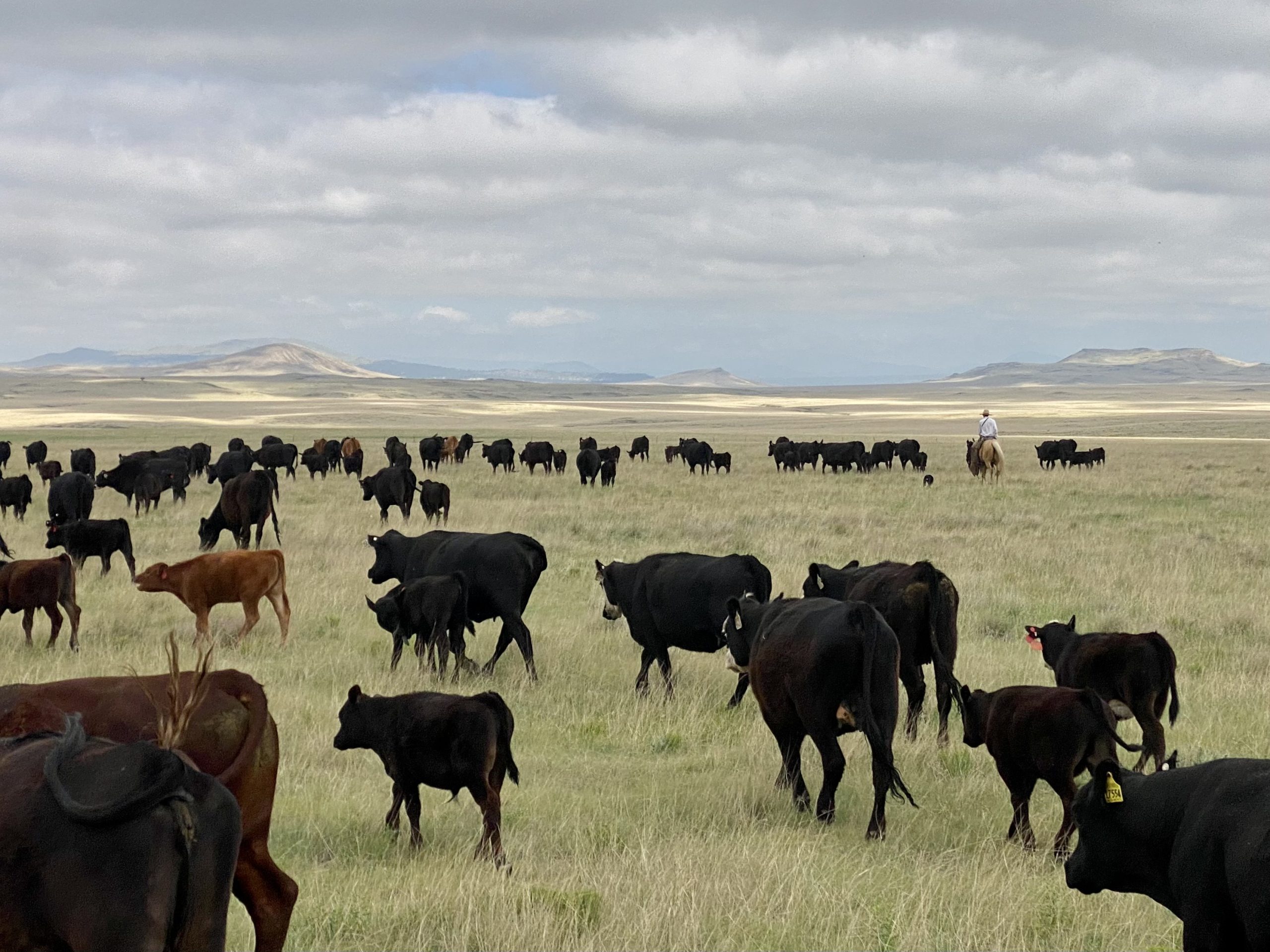
It’s the industrial beef, hog, chicken and dairy operations that win out; subsidies mean they get cheap feed. According to the Physicians Committee for Responsible Medicine, the meat, egg and dairy sectors were the beneficiaries of the majority of the $246 billion in subsidies given to U.S. food producers between 1996 and 2009.
2. Don’t pay polluters.

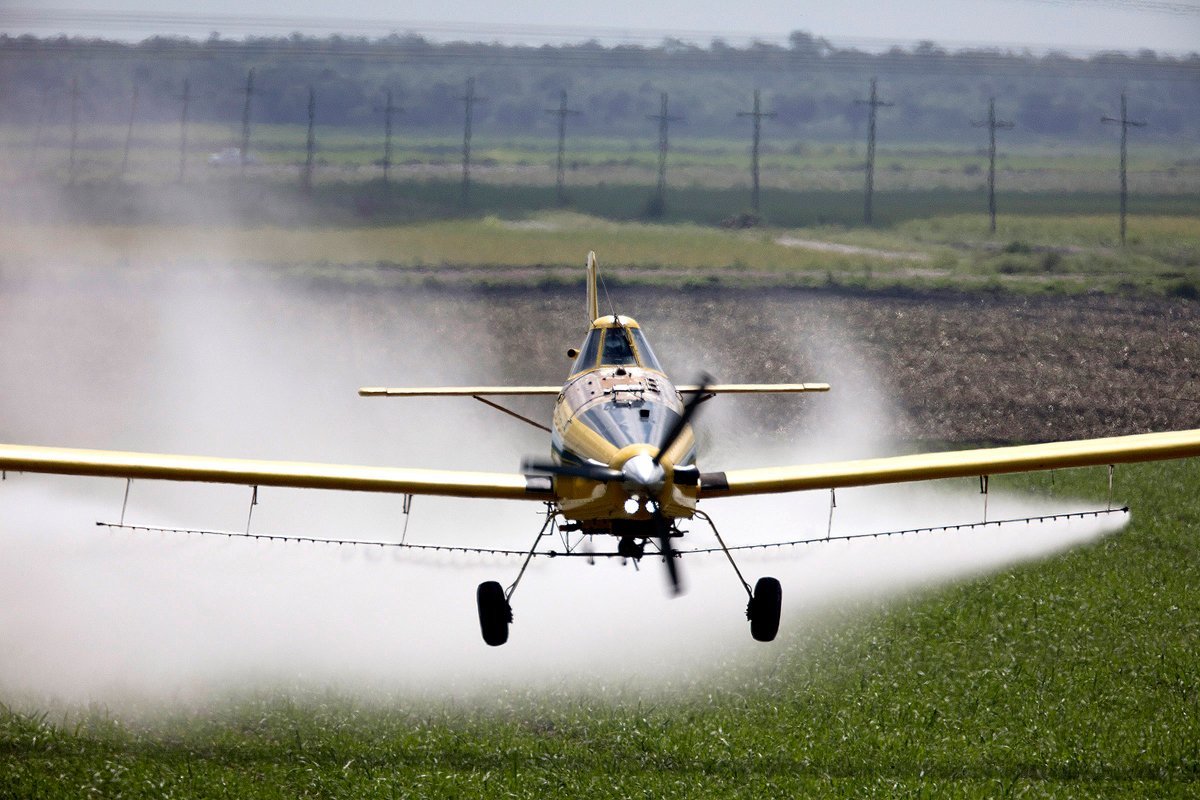
Massive dairies, hog and poultry factories and other livestock feedlots house thousands (often tens or even hundreds of thousands) of animals. Some produce as much waste as the sewage system of a small city. The difference is that animal feeding operations don’t install municipal waste treatment plants to clean up their messes.
And yet this type of food production has been supported for a decade by a Farm Bill program called the Environmental Quality Incentives Program. EQIP, as it’s called, must spend 60 percent of its budget on livestock producers, many of whom are the worst, environmentally speaking. And what are they spending that money on? Manure lagoons and waste trafficking.
EQIP started as a conservation program, meant to help small livestock producers keep animal waste out of creeks and waterways. But now, thanks to lobbying, the massive animal farms can be reimbursed for up to 75 percent (capped at $300,000 per owner) of their costs for animal waste storage and hauling and compliance with laws like the Clean Water Act. Should we have to pay livestock operators to comply with basic laws? Should our tax dollars build the infrastructure for massive meat, egg, and dairy factories?
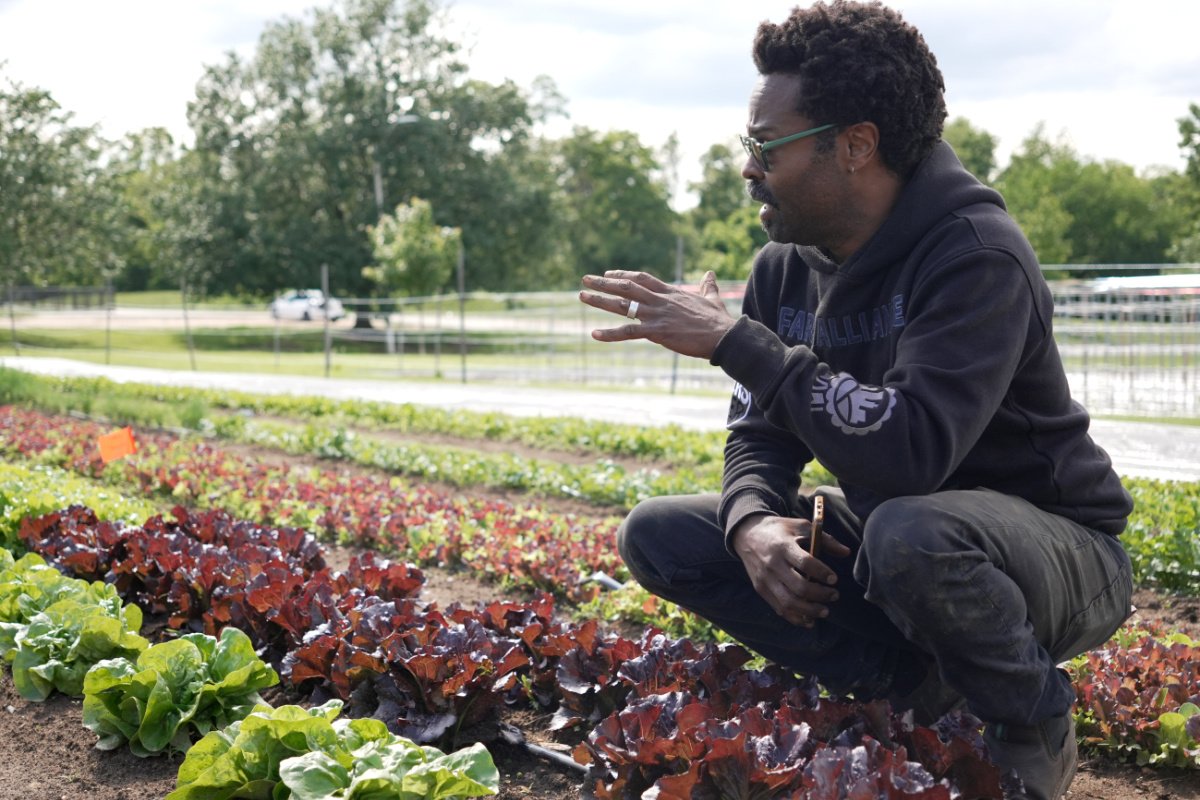
Meanwhile, EQIP funds to organic farming projects are capped at $20,000 a year per operator.
3. Don’t subsidize overplanting.
Nothing in the Farm Bill–nothing–continues to be more counterproductive than the complete disconnect between commodity crop subsidies and conservation programs. On the one hand, subsidies encourage farmers to plant in every inch of soil, crop insurance programs eliminate farmers’ economic risks, and disaster bailouts encourage plowing even on marginal lands in areas prone to flooding and drought. On the other hand, the U.S. Department of Agriculture directs less than 7 percent of its overall spending toward conservation, much of that to right past wrongs and to clean up problems stemming from over-farming.
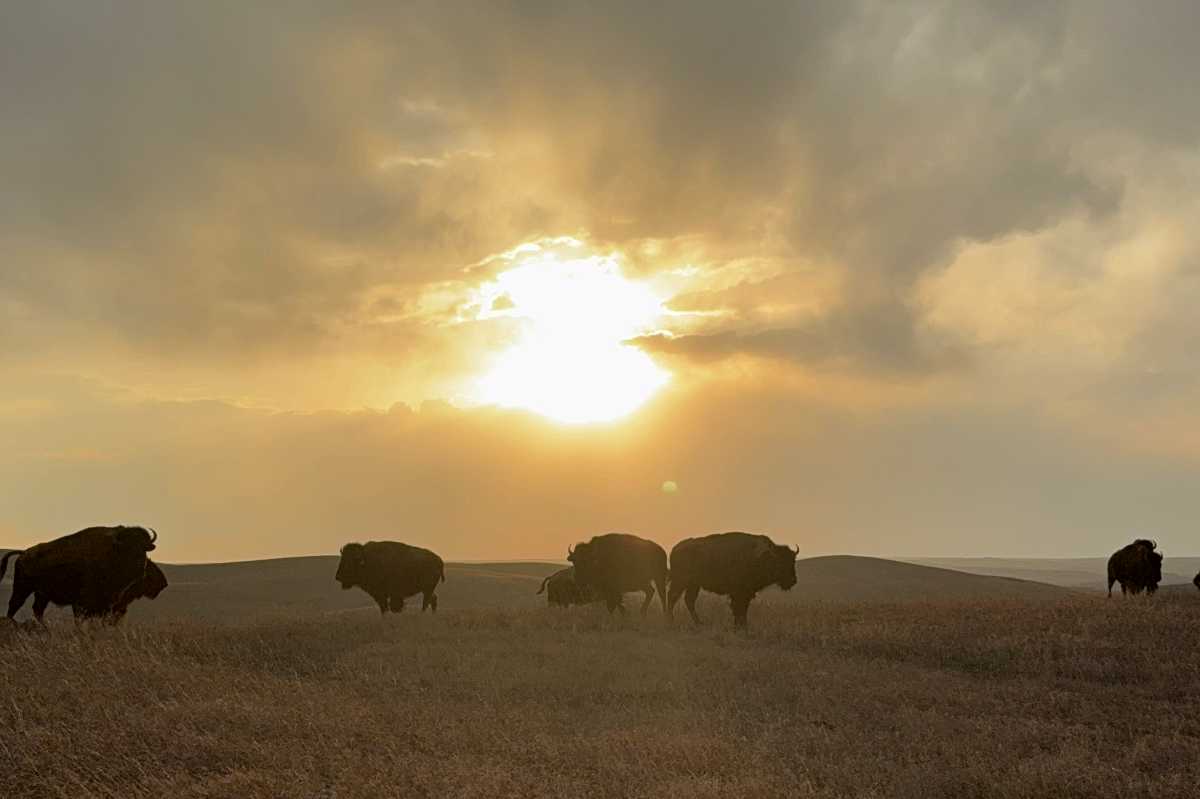
Consider, for example, that even as 1.7 million acres were enrolled in the Conservation Reserve Program in South Dakota between 1985 and 1995, more than 700,000 acres of grassland were converted to crops–primarily corn and soybeans (already in excess supply). This absurd process only accelerated during the last Farm Bill, as even grasslands used for hay and pasture were transformed into corn fields. Such a dichotomy makes Farm Bill conservation programs seem more like a distraction than a coordinated national stewardship strategy.
In the case of the Wetlands Reserve Program–arguably the Farm Bill’s most successful conservation effort to date–only wetlands previously impacted by agricultural development are eligible for funding; you can’t use the money to save pristine ecosystems (unless they’re attached to land damaged by farming or ranching).
4. Don’t farm corn for fuel.
The drums are finally beating against ethanol subsidies and tax breaks that suck up $7 billion per year in tax dollars. It’s about time. For years Congress has mandated that gas be blended with ethanol to push our fuel supply further. And yet, we’re practically spinning our wheels backwards. It takes about two-thirds of a gallon of petroleum products to sow, fertilize, irrigate, harvest and process a gallon of corn ethanol. That’s minimally cutting our dependence on foreign oil.
In fact, in 2010 a full 36 percent of the U.S. corn crop was turned into ethanol. That only displaced about 8 percent of what we put in our gas tanks. Americans could save that much gas with a 1.1 mpg increase in the fuel efficiency of our cars and trucks. Here’s a kicker: Ethanol-laced gas actually lowers fuel efficiency by 3 to 4 percent.
America faces numerous and complex food- and farming-related challenges in the years to come: curbing the obesity epidemic, halting the loss of habitat, stopping disease outbreaks like e. coli, bringing up the next generation of farmers and ranchers, and many more. The Farm Bill is our chance to right things that are wrong with the food system. Even small amounts of well-directed funding can do a great deal for a beginning farmer education program, habitat restoration effort, or local food project. It would help if the Farm Bill could stop fighting itself. And maybe then it can start to align along one sensible strategy: Create economically and environmentally healthy farms to grow healthy and affordable food.
Originally published on Huffington Post

Stories change how we see food — and how we act on it.
From farmworkers to policymakers, Civil Eats lifts up the people building a better food system.
Your gift this season will be doubled through NewsMatch, fueling independent journalism that’s hopeful, honest, and free for all.
Together, we can keep these stories alive — and keep the movement growing.
Give Today.

June 26, 2025
At our latest Civil Eats virtual salon, our team talked about the launch and evolution of the Tracker, a running report on federal actions that affect food and agriculture.
January 20, 2025
July 2, 2025

Like the story?
Join the conversation.
Warning: Undefined variable $aria_req in /srv/users/civileats/apps/civileats/public/wp-content/themes/CivilEats/comments.php on line 16
Warning: Undefined variable $aria_req in /srv/users/civileats/apps/civileats/public/wp-content/themes/CivilEats/comments.php on line 21