X
 [searchandfilter id="40551"]
[searchandfilter id="40551"]
[searchandfilter id="40551"] 
November 29, 2012



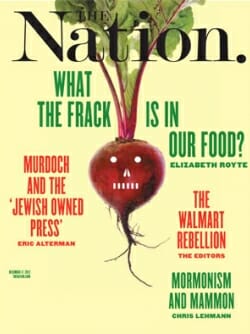
In the midst of the domestic energy boom, livestock on farms near oil-and-gas drilling operations nationwide have been quietly falling sick and dying, according to the latest report by Food & Environment Reporting Network. Elizabeth Royte wrote the cover story, “What the Frack Is in our Food,” for the December 17, 2012, issue of The Nation magazine.
Expand your understanding of food systems as a Civil Eats member. Enjoy unlimited access to our groundbreaking reporting, engage with experts, and connect with a community of changemakers.
Already a member?
Login
“In Pennsylvania, the oil and gas industry is already on a tear—drilling thousands of feet into ancient seabeds, then repeatedly fracturing (or ‘fracking’) these wells with millions of gallons of highly pressurized, chemically laced water, which shatters the surrounding shale and releases fossil fuels,” Royte writes. “New York, meanwhile, is on its own natural-resource tear, with hundreds of newly opened breweries, wineries, organic dairies and pastured livestock operations—all of them capitalizing on the metropolitan area’s hunger to localize its diet. But there’s growing evidence that these two impulses, toward energy and food independence, may be at odds with each other.”
The story, the first in-depth look at the potential impact of fracking on food, cites the first and only peer-reviewed report, published earlier this year, suggesting a possible link between fracking and illness in food animals. It includes 24 case studies of farmers in shale-gas states whose livestock have experienced neurological, reproductive, and acute gastrointestinal problems after being exposed—either accidentally or incidentally—to fracking chemicals in the water or air.
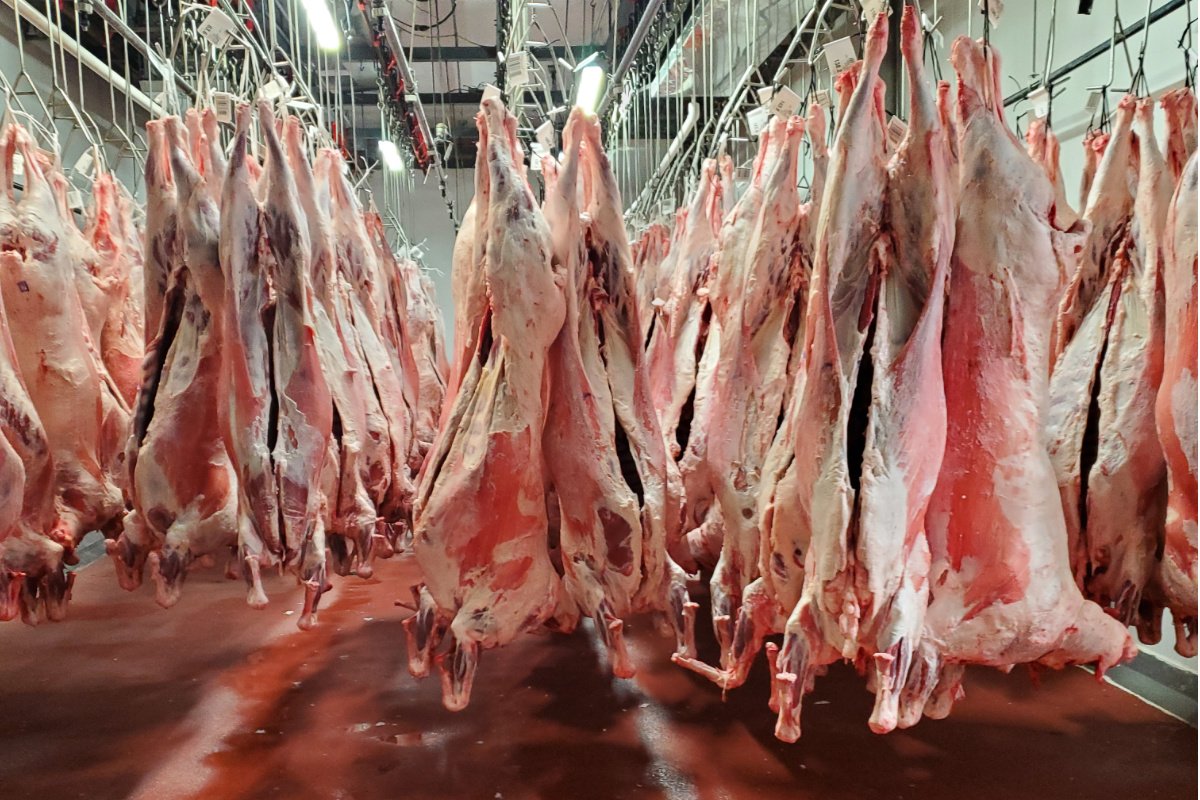
Farmers are not required to prove that livestock are free of contamination before selling them to middlemen, and federal authorities are not testing for these compounds at slaughterhouses. “[Exposed livestock] are making their way into the food system, and it’s very worrisome to us,” says one of the authors of the report, Michelle Bamberger, an Ithaca, New York, veterinarian. “They live in areas that have tested positive for air, water, and soil contamination. Some of these chemicals could appear in milk and meat products made from these animals.”
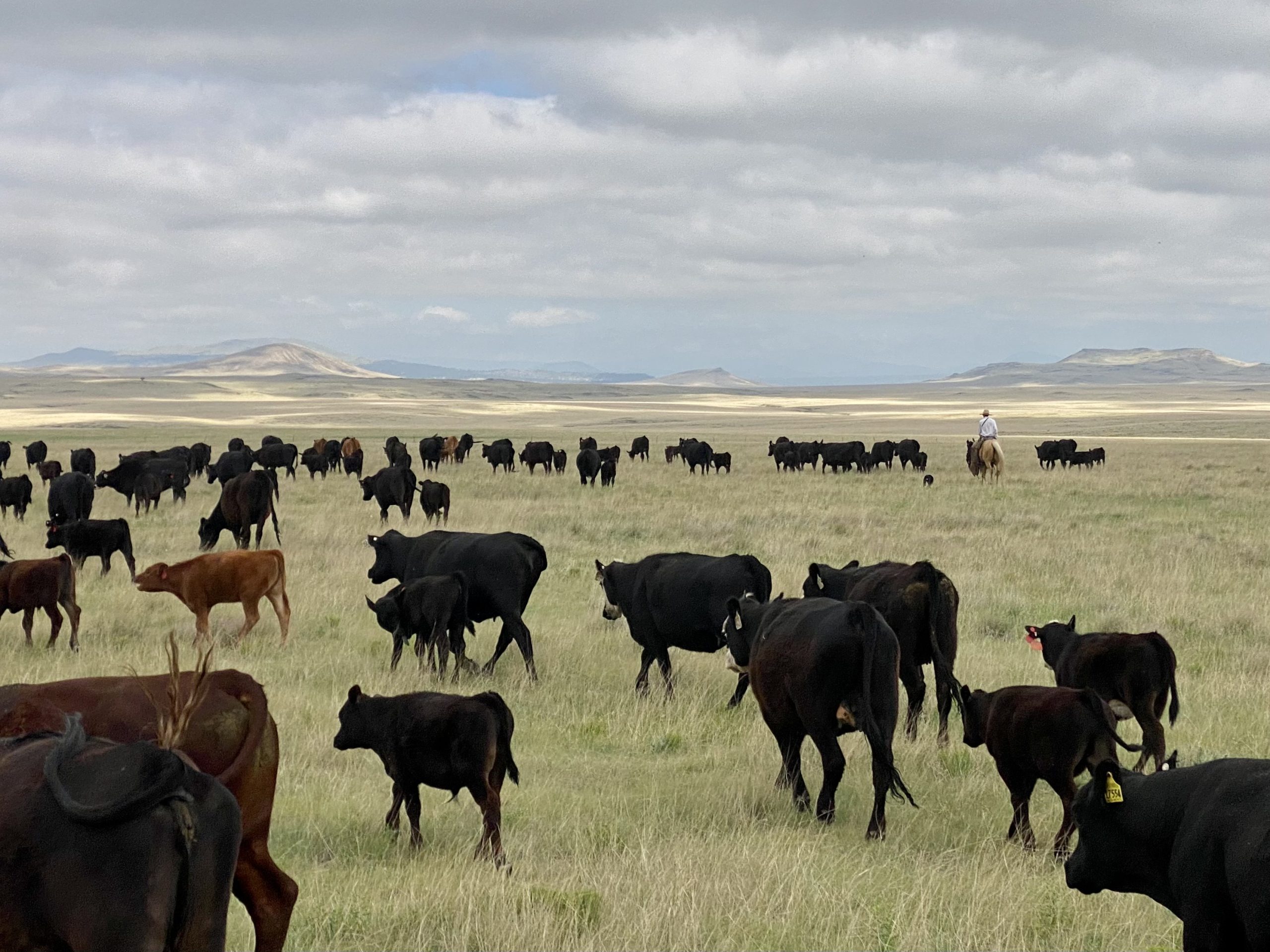
Royte also follows rancher Jacki Schilke, who raises cattle in the northwestern corner of North Dakota, and whose cows quit producing milk for their calves, lost from 60 to 80 pounds in a week, and had their tails mysteriously drop off after fracking began near her land. Schilke herself is in poor health, and though she has since moved her cattle upwind and to cleaner sources of water, she is wary. “I won’t sell them because I don’t know if they’re okay,” she says. Royte notes, “Nor does anyone else.”

“Schilke’s story reminds us that farmers need clean water, clean air and clean soil to produce healthful food. But as the largest private landholders in shale areas across the nation, farmers are disproportionately being approached by energy companies eager to extract oil and gas from beneath their properties. Already, some are regretting it,” Royte writes.
She details how energy companies are exempt from key provisions of environmental laws, which makes it difficult for scientists and citizens to learn precisely what is in drilling and fracking fluids or airborne emissions. And without information on the interactions between these chemicals and pre-existing environmental chemicals, Royte explains, veterinarians can’t hope to pinpoint an animal’s cause of death.
Royte is the author of the critically acclaimed Garbage Land: On the Secret Trail of Trash; Bottlemania: How Water Went On Sale and Why We Bought It; and The Tapir’s Morning Bath: Solving the Mysteries of the Tropical Rain Forest. She also serves as a Contributing Editor to the Food & Environment Reporting Network.
You can read the full report on TheNation.com, or here at the fern.org. You can also read a shorter version of the report here at thefern.org. This shorter version is available for reprinting with attribution; see here for more details.
Originally published at the Food & Environment Reporting Network

Stories change how we see food — and how we act on it.
From farmworkers to policymakers, Civil Eats lifts up the people building a better food system.
Your gift this season will be doubled through NewsMatch, fueling independent journalism that’s hopeful, honest, and free for all.
Together, we can keep these stories alive — and keep the movement growing.
Give Today.

June 26, 2025
At our latest Civil Eats virtual salon, our team talked about the launch and evolution of the Tracker, a running report on federal actions that affect food and agriculture.
January 20, 2025
July 2, 2025
Like the story?
Join the conversation.
Warning: Undefined variable $aria_req in /srv/users/civileats/apps/civileats/public/wp-content/themes/CivilEats/comments.php on line 16
Warning: Undefined variable $aria_req in /srv/users/civileats/apps/civileats/public/wp-content/themes/CivilEats/comments.php on line 21