X
 [searchandfilter id="40551"]
[searchandfilter id="40551"]
[searchandfilter id="40551"] 
May 31, 2013



As factory farms take over more and more of the nation’s livestock production, a major environmental threat has emerged: Pollution from the waste produced by the immense crush of animals.
Expand your understanding of food systems as a Civil Eats member. Enjoy unlimited access to our groundbreaking reporting, engage with experts, and connect with a community of changemakers.
Already a member?
Login
The Environmental Protection Agency estimates that America’s livestock create three times as much excreta as the human population. By the agency’s reckoning, a dairy farm with 2,500 cows – which is large, but not exceptional – can generate as much waste as the people in a city the size of Miami.
Yet unlike human waste, which often receives sophisticated treatment, animal waste commonly goes untreated. It is typically held in underground pits or vast manure lagoons, and then spread on cropland as fertilizer. It’s been this way for decades, but worries have grown along with the number and size of factory farms. When storms strike, the overflows can be huge, like the 1995 North Carolina swine manure spill that sent 25 million gallons of waste into a river. Just last month, a Minnesota dairy farm spilled up to 1 million gallons of manure, fouling two nearby trout streams. More routinely, as the U.S. Department of Agriculture has said, large farms generate more manure than they can handle, so they spread too much on nearby fields. From there, the material – which the EPA says often contains hormones, pathogens and toxic metals – can run off and contaminate streams, rivers and wells.
Under the Clean Water Act, industrial operations like factories and sewage treatment plants that discharge through pipes are considered “point sources” of pollution. They are required to get a permit that sets limits on pollution and, in many cases, imposes a water testing regime.


For massive livestock farms – what the government calls concentrated animal feeding operations, or CAFOs – it’s a different story. Although they also are defined under the law as point sources, federal court rulings have frustrated the EPA’s efforts to regulate them. Only 45 percent of the nation’s CAFOs have discharge permits, even though the EPA estimates 75 percent are actually polluting. And even when CAFOs get permits, critics say, their performance in controlling pollution is hard to track and their permit restrictions are tough to enforce.
You can read the rest of the story at FairWarning (www.fairwarning.org), a Los Angeles-based nonprofit investigative news organization focused on public health and safety issues.
Photo by Shutterstock

Stories change how we see food — and how we act on it.
From farmworkers to policymakers, Civil Eats lifts up the people building a better food system.
Your gift this season will be doubled through NewsMatch, fueling independent journalism that’s hopeful, honest, and free for all.
Together, we can keep these stories alive — and keep the movement growing.
Give Today.

June 26, 2025
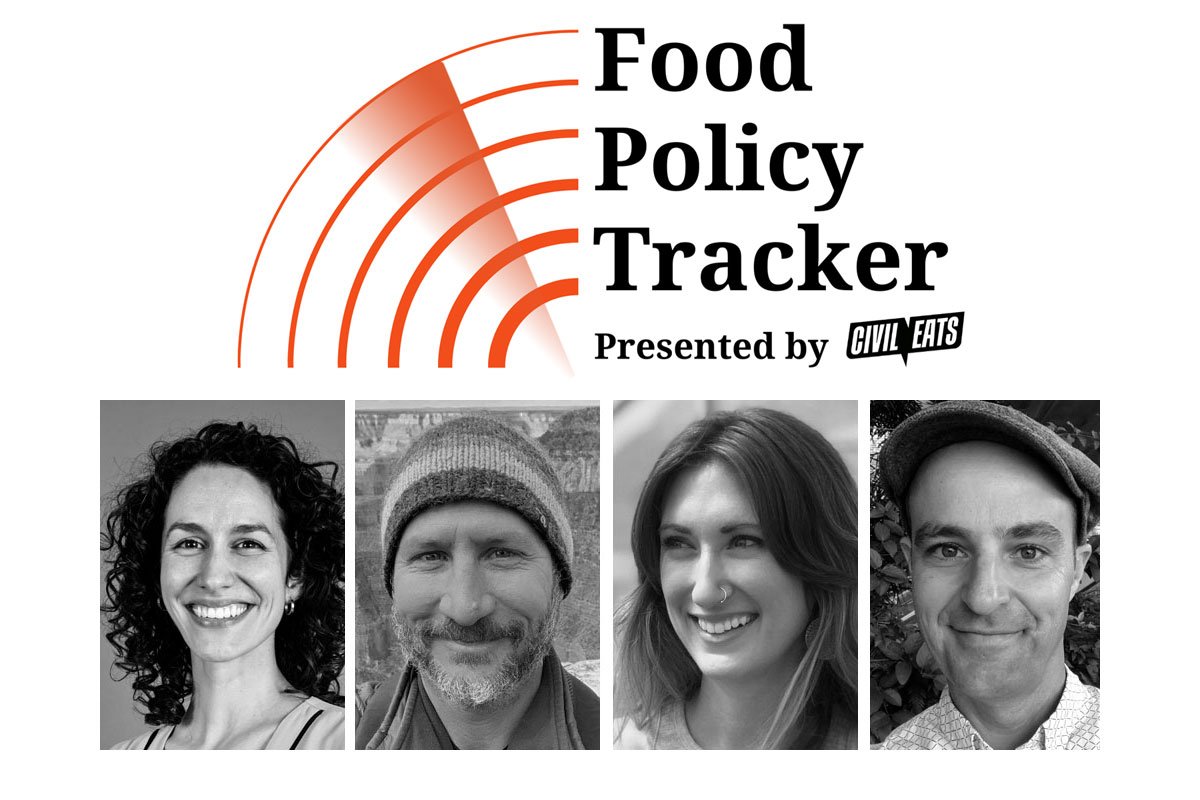
At our latest Civil Eats virtual salon, our team talked about the launch and evolution of the Tracker, a running report on federal actions that affect food and agriculture.
January 20, 2025
July 2, 2025




Like the story?
Join the conversation.
Warning: Undefined variable $aria_req in /srv/users/civileats/apps/civileats/public/wp-content/themes/CivilEats/comments.php on line 16
Warning: Undefined variable $aria_req in /srv/users/civileats/apps/civileats/public/wp-content/themes/CivilEats/comments.php on line 21