
X
 [searchandfilter id="40551"]
[searchandfilter id="40551"]
[searchandfilter id="40551"] 
January 8, 2014



America has a growing appetite for handcrafted gourmet food products. With this high demand, small-scale food producers often wrestle with questions of growth. How big can they get while remaining true to their values and maintaining the quality of their product? Has the word “artisanal” lost its meaning in the marketplace? How can one identify responsible small businesses that use authentic ingredients and value craft and transparency?
Expand your understanding of food systems as a Civil Eats member. Enjoy unlimited access to our groundbreaking reporting, engage with experts, and connect with a community of changemakers.
Already a member?
Login
Join CUESA, Kitchen Table Talks, and the Good Food Awards at the Ferry Building for a panel discussion on Monday, January 20, from 6 – 8 pm with three successful artisan food producers who have found their way in the expanding market. The panel will be followed by a reception with refreshments generously provided by Bi-Rite Market.
Panelists:
Elias Cairo is the salumist for Olympic Provisions, a Portland-based handmade charcuterie shop. He has set out to approach the craft of charcuterie with purity and patience, recreating a nearly extinct old world technique that’s seldom seen in America.

Sue Conley co-founded Tomales Bay Foods and Cowgirl Creamery with Peggy Smith to help support Marin’s farms and dairies. Two decades later, Cowgirl Creamery cheeses are sold to over 500 stores, independent cheese shops, farmers markets and restaurants, and nationally through Whole Foods Markets.
June Taylor is the founder of June Taylor Company, a company dedicated to the revival of traditional handmade preserves. She also teaches her craft to students at the Still-Room, consults with small business owners, and sells her products throughout Japan.
Marcy Coburn (moderator) is the executive director of the Oakland-based Food Craft Institute, which works to improve the viability of small and medium-scale value-added food businesses. She is also the event director for the Eat Real Festival.
Admission: $5 (no one turned away for lack of funds). Space is limited.

Stories change how we see food — and how we act on it.
From farmworkers to policymakers, Civil Eats lifts up the people building a better food system.
Your gift this season will be doubled through NewsMatch, fueling independent journalism that’s hopeful, honest, and free for all.
Together, we can keep these stories alive — and keep the movement growing.
Give Today.

June 26, 2025
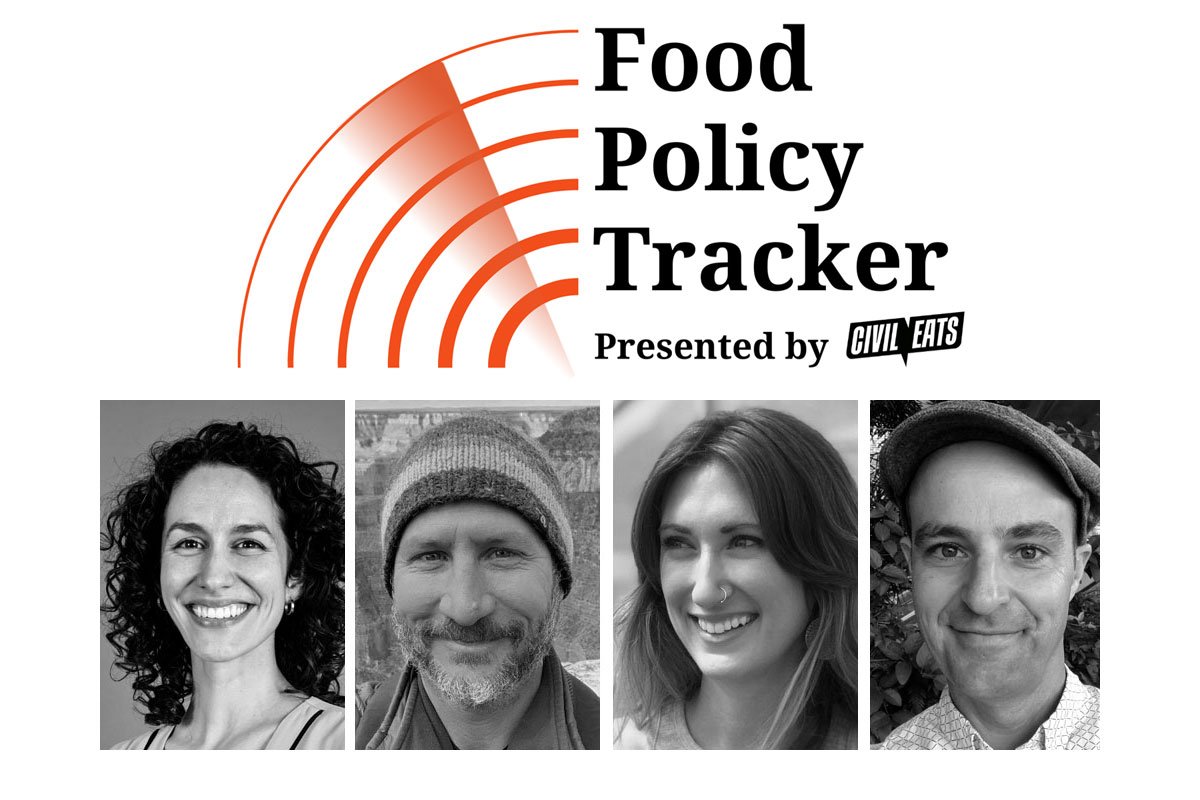
At our latest Civil Eats virtual salon, our team talked about the launch and evolution of the Tracker, a running report on federal actions that affect food and agriculture.
January 20, 2025
July 2, 2025


Like the story?
Join the conversation.
Warning: Undefined variable $aria_req in /srv/users/civileats/apps/civileats/public/wp-content/themes/CivilEats/comments.php on line 16
Warning: Undefined variable $aria_req in /srv/users/civileats/apps/civileats/public/wp-content/themes/CivilEats/comments.php on line 21