
X
 [searchandfilter id="40551"]
[searchandfilter id="40551"]
[searchandfilter id="40551"] 
January 24, 2014



According to a new report recently released by the National Farm to School Network (NFSN), no fewer than 37 states passed or introduced bills to support farm to school practices during 2012-2013. The report is further proof of the huge increase in farm to school practices across the country.
Expand your understanding of food systems as a Civil Eats member. Enjoy unlimited access to our groundbreaking reporting, engage with experts, and connect with a community of changemakers.
Already a member?
Login
Prepared by legal researchers at Vermont Law School’s Center for Agriculture and Food Systems (CAFS), the State Farm to School Legislative Survey 2002-2013 provides a summary of each farm to school-related bill proposed since 2002, whether enacted, defeated or still pending. The update revises NFSN’s August 2011 survey and may be viewed here online.
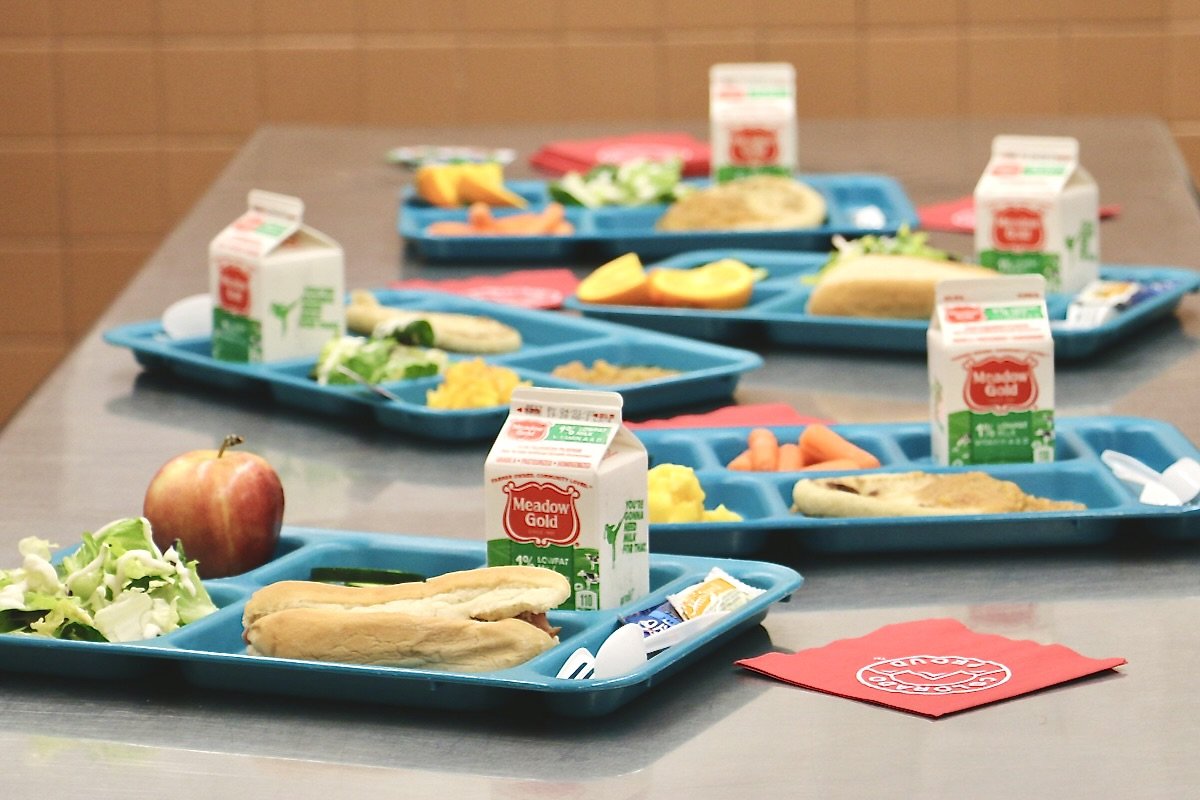
At its heart a grassroots effort, farm to school is the practice of sourcing local food for schools or preschools, as well as providing agriculture, health, and nutrition education opportunities. Interactive, hands-on experiences are integral to farm to school programs and may include school gardens, farm field trips, and cooking lessons. Farm to school practices aim to improve the health of children and communities while supporting local and regional farmers.
“What we see in the legislation is increasing dynamism and synergy between state governments and local food movements, connecting education and agriculture sectors in mutually beneficial partnerships while improving the quality of food available to our children,” said Helen Dombalis, policy and strategic partnerships director for NFSN.

The survey also presents charts categorizing bills by type, making evident themes and differences in state approaches to developing and implementing farm to school programming. In 2013, Alaska and Oregon provided appropriations or grants for farm to school programs; Mississippi established a farm to school advisory board; and Nevada encouraged its schools to participate in a Fresh Fruit and Vegetable Program. Other states commended local efforts, established studies regarding the state of agriculture education, and directed purchasers statewide to develop protocols for buying local food.
“This update is a key tool for the farm to school movement, a concise resource of state-level legislation that other states can look to when developing their own policies,” said Jamie Renner, assistant professor and clinical project lead at CAFS.
Anyone interested in engaging with farm to school should consider attending the National Farm to Cafeteria Conference, taking place in Austin, April 15-18.
For more information about the National Farm to School Network, visit farmtoschool.org or send an e-mail to info@farmtoschool.org.

Stories change how we see food — and how we act on it.
From farmworkers to policymakers, Civil Eats lifts up the people building a better food system.
Your gift this season will be doubled through NewsMatch, fueling independent journalism that’s hopeful, honest, and free for all.
Together, we can keep these stories alive — and keep the movement growing.
Give Today.


June 26, 2025
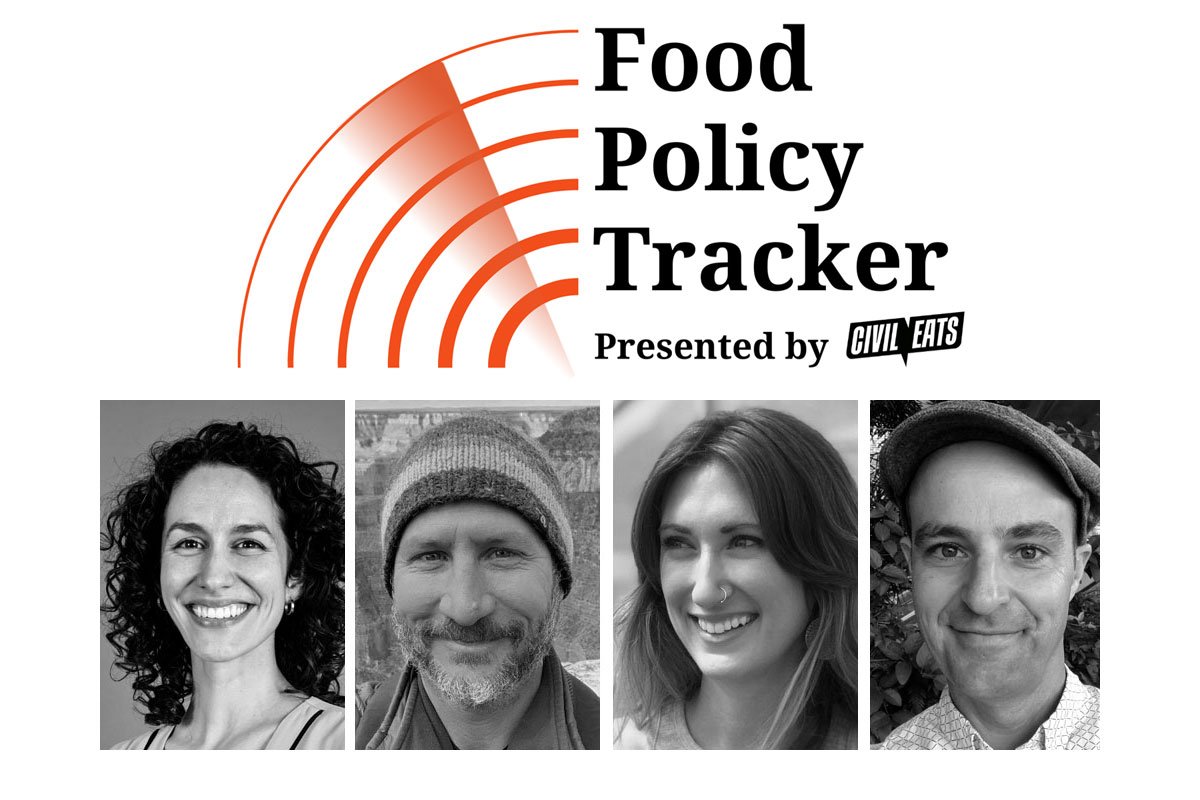
At our latest Civil Eats virtual salon, our team talked about the launch and evolution of the Tracker, a running report on federal actions that affect food and agriculture.
January 20, 2025
July 2, 2025



Like the story?
Join the conversation.
Warning: Undefined variable $aria_req in /srv/users/civileats/apps/civileats/public/wp-content/themes/CivilEats/comments.php on line 16
Warning: Undefined variable $aria_req in /srv/users/civileats/apps/civileats/public/wp-content/themes/CivilEats/comments.php on line 21