
X
 [searchandfilter id="40551"]
[searchandfilter id="40551"]
[searchandfilter id="40551"] 
June 3, 2016



Busy week? We read this week’s food news for you.
Expand your understanding of food systems as a Civil Eats member. Enjoy unlimited access to our groundbreaking reporting, engage with experts, and connect with a community of changemakers.
Already a member?
Login
Things to Know: The Obama Administration’s Sodium Guidelines (Associated Press)
The U.S. Food and Drug Administration (FDA) is encouraging food companies and restaurants to lower the amount of sodium in the foods they sell. The agency says nine out of 10 Americans are eating too much salt—the recommended amount is 2,300 milligrams a day, or about a teaspoon—but most people eat closer to 3,400 milligrams a day, mostly hidden inside processed foods and restaurant meals. Voluntary guidance proposed by the agency this week sets two-year and 10-year sodium targets for around 150 categories of food. Many food companies, such as Walmart, ConAgra, Mars, Nestlé, and Subway, say they have already reduced the sodium in their products.
General Mills Recalls Flour Over Possible E. Coli Link (Chicago Tribune)
General Mills has announced a recall of about 10 million pounds of its flour over a possible link to an E. coli outbreak in 20 states. The company said 38 people were sickened from mid-December through May 3, and that half of them used flour before getting sick, some of which was a General Mills brand. The bacteria is eliminated when cooked, but General Mills said some people may have eaten raw dough or batter.
Pizza Hut Unveils Big Changes to Chain’s Ingredient List (Fortune)

This week, Yum Brands’ Pizza Hut announced four big changes to its list of ingredients. The chain will remove the food preservatives BHA and BHT from all meats by the end of July, eliminate the use of all preservatives in cheese by March 2017, stop using chicken raised with antibiotics important to human health (also by March 2017), and remove additional additives and preservatives by 2020. Pizza Hut has made some other changes in recent years, including the removal of artificial flavors and colors from its core pizza line last year. Pizza Hut, which reported a 2 percent decline in sales last year, is apparently feeling pressure exerted on the market by fast-casual chains touting healthier fair such as Panera.
Extreme Weather Increasing Level of Toxins in Food, Scientists Warn (Reuters)
Scientists are warning that extreme weather is causing food crops like wheat and corn to generate more chemical compounds that can cause health problems for the people and livestock who eat them. A new report by the United Nations Environment Programme (UNEP) says these chemical compounds are harmful to people and animals if consumed for a prolonged period of time. For example, some drought-stressed crops, when then exposed to sudden large amounts of rain, accumulate a chemical called hydrogen cyanide, or prussic acid. The report proposes a list of eight ideas farmers and agricultural experts can adopt to try to limit damage from more crop toxins, such as mapping contamination hotspots, and scientists are also suggesting that developing crop varieties designed to cope with extreme weather could help reduce the levels of toxic chemicals in food.
Bernie Sanders Visits Central Valley Agricultural Town (Washington Post)
This weekend, Bernie Sanders visited an agricultural town in California’s Central Valley, where he spoke about farmworker rights, a topic that has largely been ignored by presidential candidates. “Farmworkers are entitled to the same rights that every other worker in America enjoys,” Sanders said. “Farmworkers should not be exempt from labor law. Farmworkers who do backbreaking work … must receive decent wages and decent benefits.”
Farmers Wait, And Wait, For Guest Workers Amid H-2A Visa Delays (NPR’s The Salt)
For the third year in a row, the H-2A visa program is delayed, meaning some farmers are running behind schedule, waiting on work visas for planters and pickers from outside of the country. Farmers are required by law to try and hire locally, but most domestic farm labor has dried up, and farmers are growing more dependent on seasonal workers. A bill in the House would streamline the H-2A visa program, but in the current political climate, it’s unlikely to pass anytime soon.
Idaho Ordered to Pay Nearly $250,000 in Legal Fees in ‘Ag-Gag’ Case (Idaho Statesman)
A federal judge has ordered the state of Idaho to pay almost $250,000 in legal fees to a coalition of nonprofit groups that sued the state claiming its “ag-gag” law criminalizes whistleblowing and violates freedom of speech. Last August, U.S. District Court Chief Judge B. Lynn Winmill ruled that Idaho’s law, which made it illegal to secretly film animal abuse at agricultural facilitates, violates the right to free speech. “The effect of the statute will be to suppress speech by undercover investigators and whistleblowers concerning topics of great public importance: the safety of the public food supply, the safety of agricultural workers, the treatment and health of farm animals, and the impact of business activities on the environment,” Judge Winmill stated in his ruling. It’s unclear how the ruling will impact other state-level ag-gag efforts.
How Candy Makers Shape Nutrition Science (Associated Press)
Children who eat candy tend to weigh less than those who don’t. Or that’s the finding of a study funded by the Candy Institute (a trade group representing the nation’s largest candy manufacturers). The study was based on limited government data about what the respondents had eaten in the last 24 hours, and yet it resulted in headlines such as “Does candy keep kids from getting fat?” The study was authored by two professors and a former Kellogg executive who have reportedly written more than two dozen papers funded by parties including Kellogg and industry groups for beef, milk and fruit juice since 2009. And this team of “researchers” is not alone. New York University nutrition professor and author Marion Nestle has reviewed 168 industry-funded studies in the last year and she found that 156 of them showed favorable results for sponsors. Many, she adds, have marketing-driven hypotheses. “The only thing that moves sales,” she said, “is health claims.”

Stories change how we see food — and how we act on it.
From farmworkers to policymakers, Civil Eats lifts up the people building a better food system.
Your gift this season will be doubled through NewsMatch, fueling independent journalism that’s hopeful, honest, and free for all.
Together, we can keep these stories alive — and keep the movement growing.
Give Today.

June 26, 2025
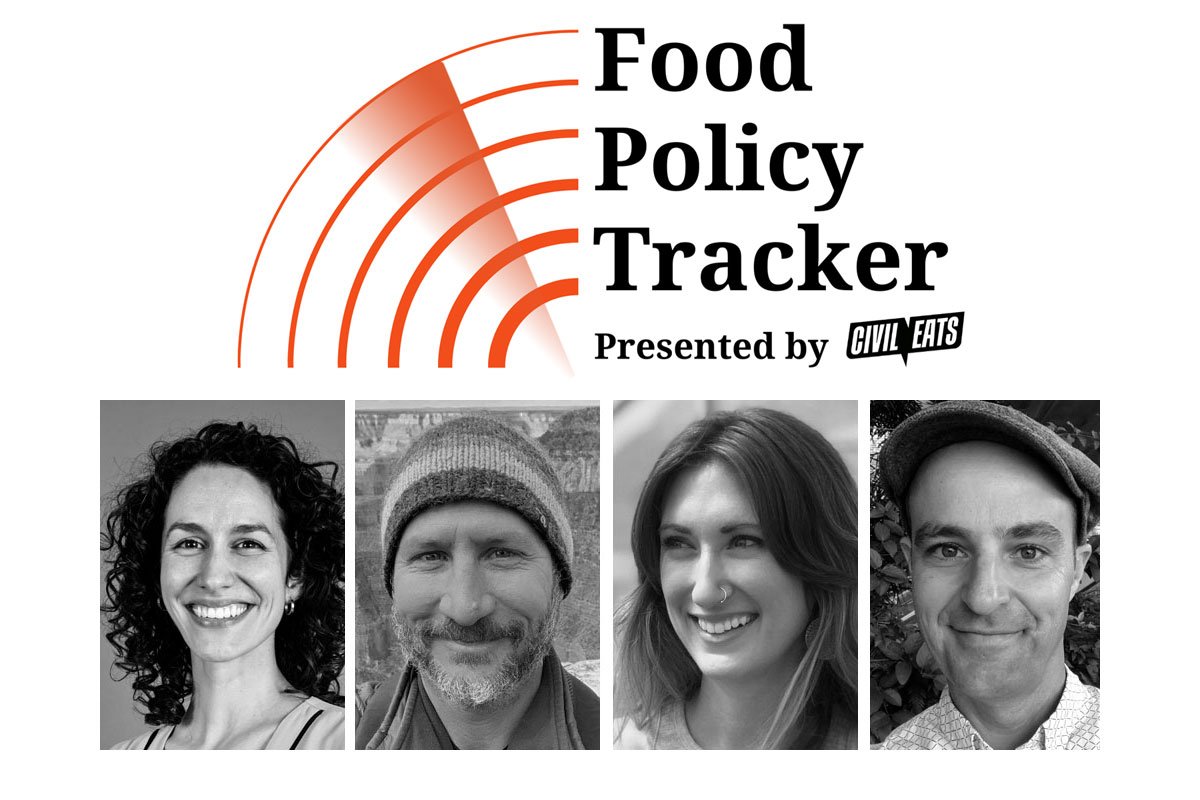
At our latest Civil Eats virtual salon, our team talked about the launch and evolution of the Tracker, a running report on federal actions that affect food and agriculture.
January 20, 2025
July 2, 2025





Like the story?
Join the conversation.
Warning: Undefined variable $aria_req in /srv/users/civileats/apps/civileats/public/wp-content/themes/CivilEats/comments.php on line 16
Warning: Undefined variable $aria_req in /srv/users/civileats/apps/civileats/public/wp-content/themes/CivilEats/comments.php on line 21