Devastating algal blooms are becoming more common—and more toxic—and agriculture and climate change are prime culprits.

X
 [searchandfilter id="40551"]
[searchandfilter id="40551"]
[searchandfilter id="40551"] 
Devastating algal blooms are becoming more common—and more toxic—and agriculture and climate change are prime culprits.
April 27, 2017



This spring, at the same time as hundreds of thousands of concerned citizens across the U.S. and around the world prepare to march to demand climate action, one of global warming’s already widespread, devastating effects—and causes—is rearing its head again.
Expand your understanding of food systems as a Civil Eats member. Enjoy unlimited access to our groundbreaking reporting, engage with experts, and connect with a community of changemakers.
Already a member?
Login
Toxic algae season is upon us like an endangered rusty patch bumblebee on a tomato blossom. This week hundreds of sea birds washed up on the Southern California coast, dying from algae poisoning, and environmental advocates filed suit against the EPA over algae outbreaks that have turned Lake Erie a sick green again and contaminated local drinking water.
Algal blooms may still be somewhat unpredictable, but their causes are hardly a mystery. Nitrogen and phosphorus runoff from industrial farms fuel algae’s growth, and greenhouse gases—including those released from the soils of intensively farmed agriculture operations—speed the global warming that is driving up the oceans’ temperatures, creating a toxic trifecta that primes the waters for algae to take over.

More pollution and warmer waters have created ideal growing conditions for certain aquatic plants—some of which can prove deadly. Here’s our slime forecast for the season.


Top photo, of the 2009 Lake Erie algal bloom, CC-licensed by NOAA.

Stories change how we see food — and how we act on it.
From farmworkers to policymakers, Civil Eats lifts up the people building a better food system.
Your gift this season will be doubled through NewsMatch, fueling independent journalism that’s hopeful, honest, and free for all.
Together, we can keep these stories alive — and keep the movement growing.
Give Today.
June 26, 2025
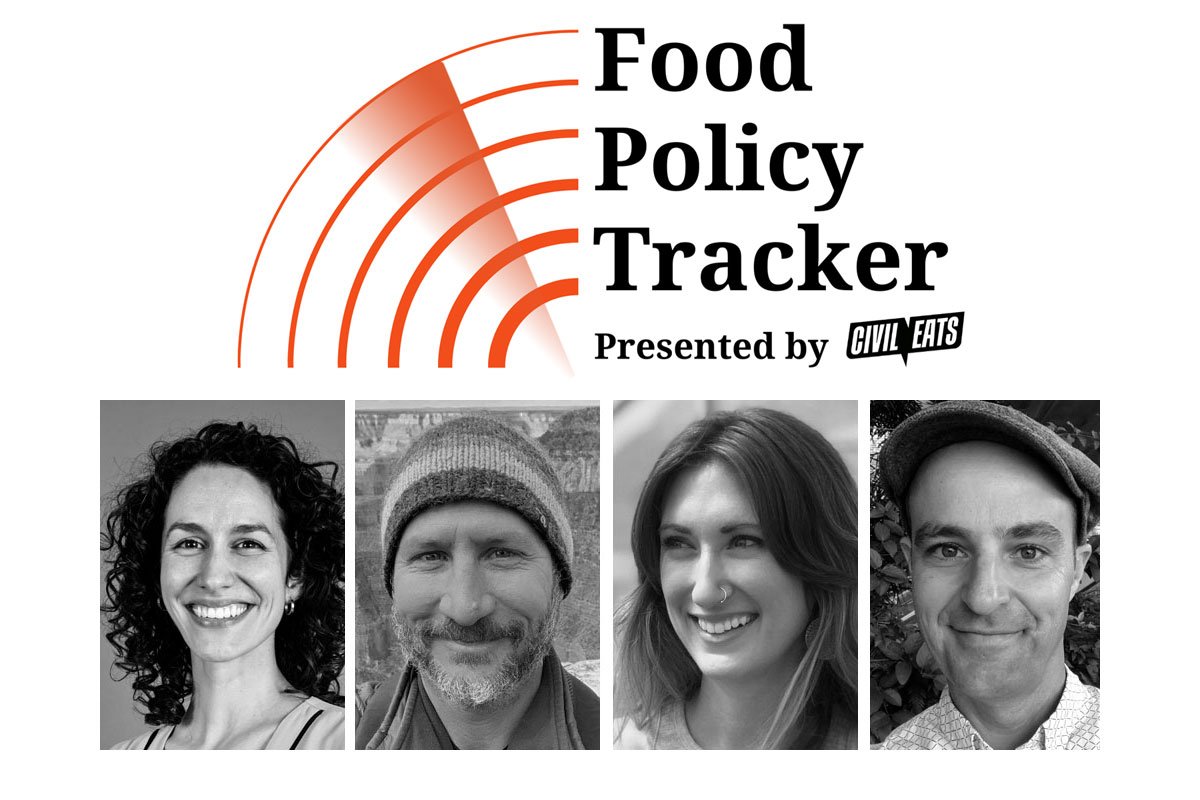
At our latest Civil Eats virtual salon, our team talked about the launch and evolution of the Tracker, a running report on federal actions that affect food and agriculture.
January 20, 2025
July 2, 2025
Thank You!