'Lunch Shaming' Still on School Menus, Even After Proposed Law | Civil Eats STAGING

‘Lunch Shaming’ Still on School Menus, Even After Proposed Law

The federal Anti-Lunch Shaming Act just introduced in Congress would not eliminate the most common or worst consequences of parents' inability to pay school-meal bills.

lunch shaming

Yesterday, many media outlets reported on a bill introduced in Congress which, if enacted, would allegedly ban “lunch shaming,” i.e., practices in the cafeteria that single out children with meal debt.

Unlock the Full Story with a Civil Eats Membership

Expand your understanding of food systems as a Civil Eats member. Enjoy unlimited access to our groundbreaking reporting, engage with experts, and connect with a community of changemakers.

Join today

But a closer reading of the federal Anti-Lunch Shaming Act reveals that by far the most common form of lunch shaming—giving a child an alternate meal, usually a cold cheese sandwich—would not be prohibited if the law were enacted. Nor would the law ban the outright denial of a meal to a debt-ridden child.

Lunch shaming has become a topic of national conversation following two recent New York Times stories about the practice, which in turn led to significant and ongoing coverage of the phenomenon by other local and national media outlets.

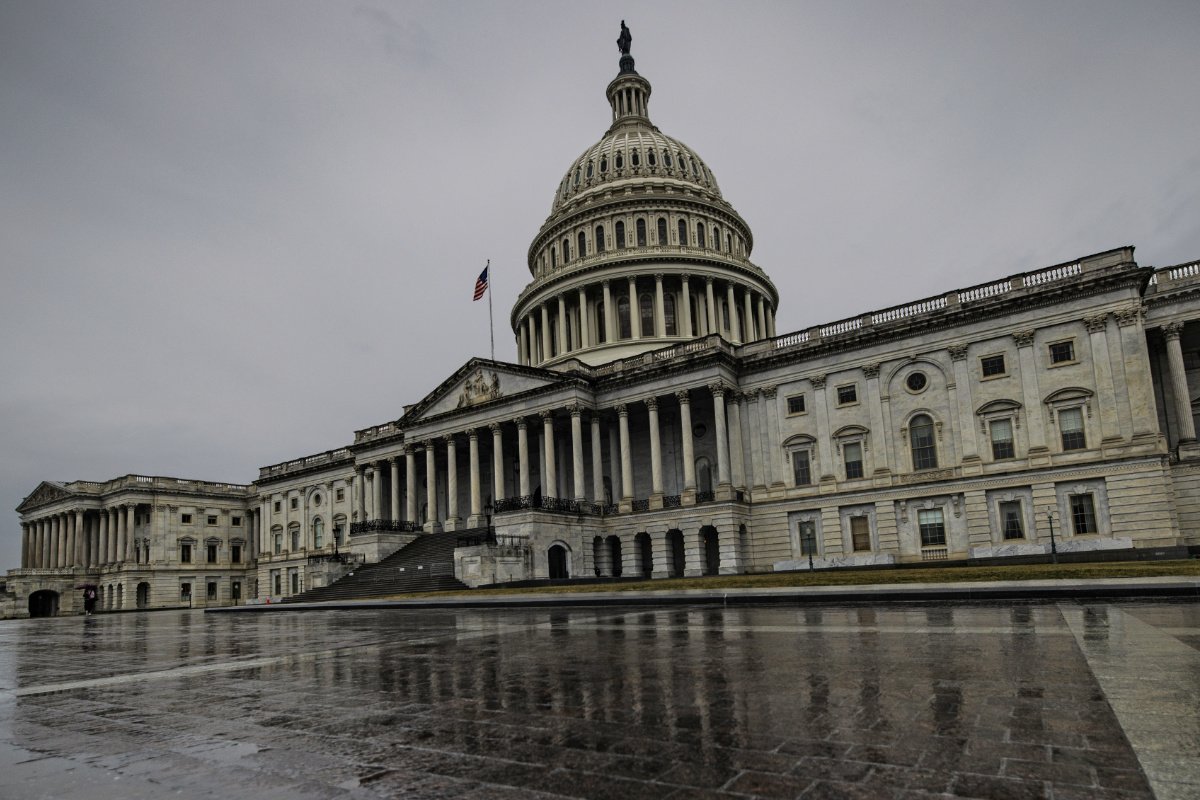
The federal bill was introduced in the Senate yesterday by New Mexico Senator Tom Udall and two Democratic co-sponsors, Martin Heinrich (NM), and Bob Casey (PA). An identical companion bill was introduced in the House of Representatives on a bipartisan basis by Representatives Rosa DeLauro (D-CT), Michelle Lujan Grisham (D-NM), Ben Ray Luján (D-NM), Rodney Davis (R-IL), and Bobby Scott (D-VA).

The Anti-Lunch Shaming Act was modeled on New Mexico’s recently enacted Hunger-Free Students’ Bill of Rights Act, the first comprehensive state effort to address lunch shaming. But while the New Mexico law expressly requires that all children receive a reimbursable school meal, regardless of meal debt, the federal bill does not.

banner showing a radar tracking screen and the words

Instead, the federal law would ban four specified and notably stigmatizing practices: requiring a debt-ridden child to wear a wrist band, stamping the child’s hand or arm, requiring the child to do chores, and taking away a child’s hot meal after it has been served. (The latter practice typically occurs after a child’s outstanding balance is discovered by a cashier at the end of the meal line.) The federal bill also follows New Mexico’s lead by requiring that any communications regarding meal debt be directed only to a child’s parent or guardian.

But other key aspects of the New Mexico state law are replicated in the federal bill as “Sense of Congress” provisions, which means that even if the law were enacted, these provisions would not be legally enforceable. These provisions include the requirements that: all children receive a reimbursable meal; no alternative meals be served; applications for free and reduced price lunch be made available and accessible to parents; districts coordinate with their local liaison for homeless students; and foster children be automatically enrolled for federal meal benefits.

Ned Adriance, press secretary for Senator Udall, said the decision to use the Sense of Congress approach was critical to getting bipartisan support in the House. “Senator Udall wanted to target the most egregious shaming tactics as a national standard,” he added. “But having that Sense of Congress language there is also important because it will guide Congress going forward. It doesn’t mean our work is done on this issue.”

Both the New Mexico state law and the new federal effort were spearheaded by New Mexico Appleseed, an anti-poverty non-profit. The organization’s executive director, Jennifer Ramo, praised the federal bill despite its narrower scope. “I don’t think it is realistic to get bipartisan support for a bill that requires that everyone get a reimbursable meal,” she said. “But we can and do put an end to some of the stigma. I think it’s a really good start.”

Whether the Anti-Lunch Shaming Act will gain traction in Congress remains to be seen. I’ll of course keep you updated here.

We’ll bring the news to you.

Get the weekly Civil Eats newsletter, delivered to your inbox.

This article originally appeared on The Lunch Tray.

Support Civil Eats during NewsMatch

Stories change how we see food — and how we act on it.

From farmworkers to policymakers, Civil Eats lifts up the people building a better food system.

Your gift this season will be doubled through NewsMatch, fueling independent journalism that’s hopeful, honest, and free for all.

Together, we can keep these stories alive — and keep the movement growing.

Give Today.

Civil Eats Supporting Membership $60/year $6/month
Give One, Get One Membership $100/year
Learn more about our membership program

Bettina Elias Siegel is a nationally recognized writer and commentator on issues relating to children and food. Her work has appeared in The New York Times, The Guardian, The Houston Chronicle, and other publications. She's the author of Kid Food: The Challenge of Feeding Children in a Highly Processed World and for 12 years covered the world of kid food and school nutrition in The Lunch Tray. Read more >

Like the story?
Join the conversation.


Warning: Undefined variable $aria_req in /srv/users/civileats/apps/civileats/public/wp-content/themes/CivilEats/comments.php on line 16

Warning: Undefined variable $aria_req in /srv/users/civileats/apps/civileats/public/wp-content/themes/CivilEats/comments.php on line 21
  1. Lynn Mizner
    This is all especially SHAMEFUL because of the amount of food that is thrown away in schools. Because children may not share food, a child who is not hungry must throw good food in the trash, while hungry children look on.
  2. Mary Reilly
    This needs to become a law against shaming a child for not having the money for lunch. This is not their fault it is for the parents and the Adults who shame a child should have to miss a day of work so they will remember not to shame a child. I know people who work in a lunch room do not get paid very much but that is the reason they especially should feel sorry for this child who doesn't have a lunch.
  3. sogetthis
    Grown-ups are the biggest bullies in school. :-/

More from

Food Policy

Featured

Paulina Velasco from the Institute for Nonprofit News moderated a discussion with Brian Calvert, senior editor, Lisa Held, senior staff reporter and contributing editor, and Matt Wheeland, operations director.

Inside the Food Policy Tracker

At our latest Civil Eats virtual salon, our team talked about the launch and evolution of the Tracker, a running report on federal actions that affect food and agriculture.

Popular

Lorem Ipsum Post

EPA Hires Farm and Pesticide Lobbyist to Oversee Pesticide Regulation

A logo showing the Civil Eats Food Policy Tracker, looking like a radar following food policy proposals and actions

Can This Baltimore Academy Continue to Train Urban Farmers?

Denzel Mitchell at Black Butterfly Teaching Farm. (Photo credit: Sam Delgado)

EPA Funds Projects to Help Farmers Reduce Runoff Into the Great Lakes

A logo showing the Civil Eats Food Policy Tracker, looking like a radar following food policy proposals and actions