How to create a just, sustainable food system while adapting to increasingly extreme and unpredictable weather.

X
 [searchandfilter id="40551"]
[searchandfilter id="40551"]
[searchandfilter id="40551"] 
How to create a just, sustainable food system while adapting to increasingly extreme and unpredictable weather.
November 24, 2017



Changing the food system is the most important thing humans can do to fix our broken carbon cycles. Meanwhile, food security is all about adaptation when you’re dealing with crazy weather and shifting growing zones. How can a world of 7 billion—and growing—feed itself? Here are 13 of the best ideas for a just and sustainable food system.
Expand your understanding of food systems as a Civil Eats member. Enjoy unlimited access to our groundbreaking reporting, engage with experts, and connect with a community of changemakers.
Already a member?
Login
The world is watching as historic land reforms on the Pacific Island nation of Vanuatu show how to return land sovereignty to indigenous people. The decade-long effort led by Ralph Regenvanu, leader of the Land and Justice Party, is returning control of lands to “customary owners.” More than 80 percent of land in Vanuatu is considered customary: owned by extended families as custodians for future generations.
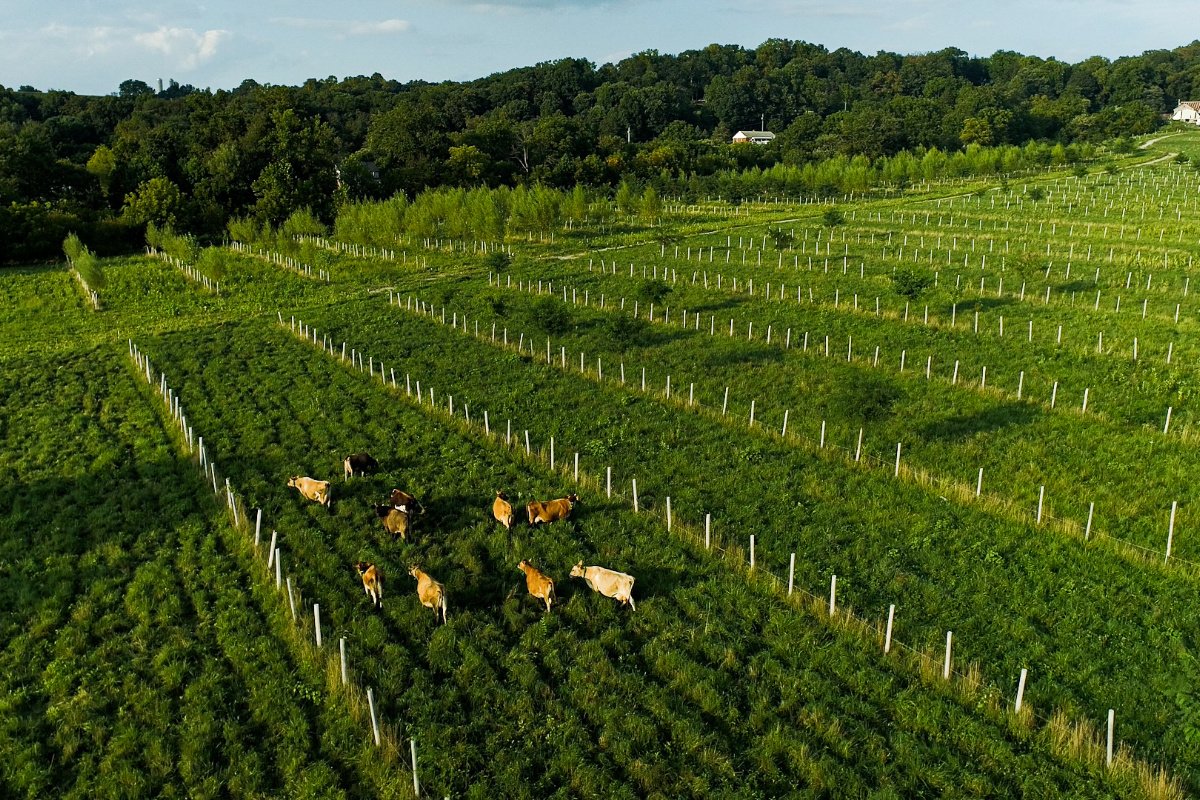
Instead of single crops and fossil fuel-based amendments, agroecology relies on complex natural systems to do a better job: Bean crops that help soil retain nitrogen are rotated with other crops. Farm animal waste is used as fertilizer. Flowers attract beneficial insects to manage pests. Intensive planting of diverse crops requires less water and helps keep weeds under control.
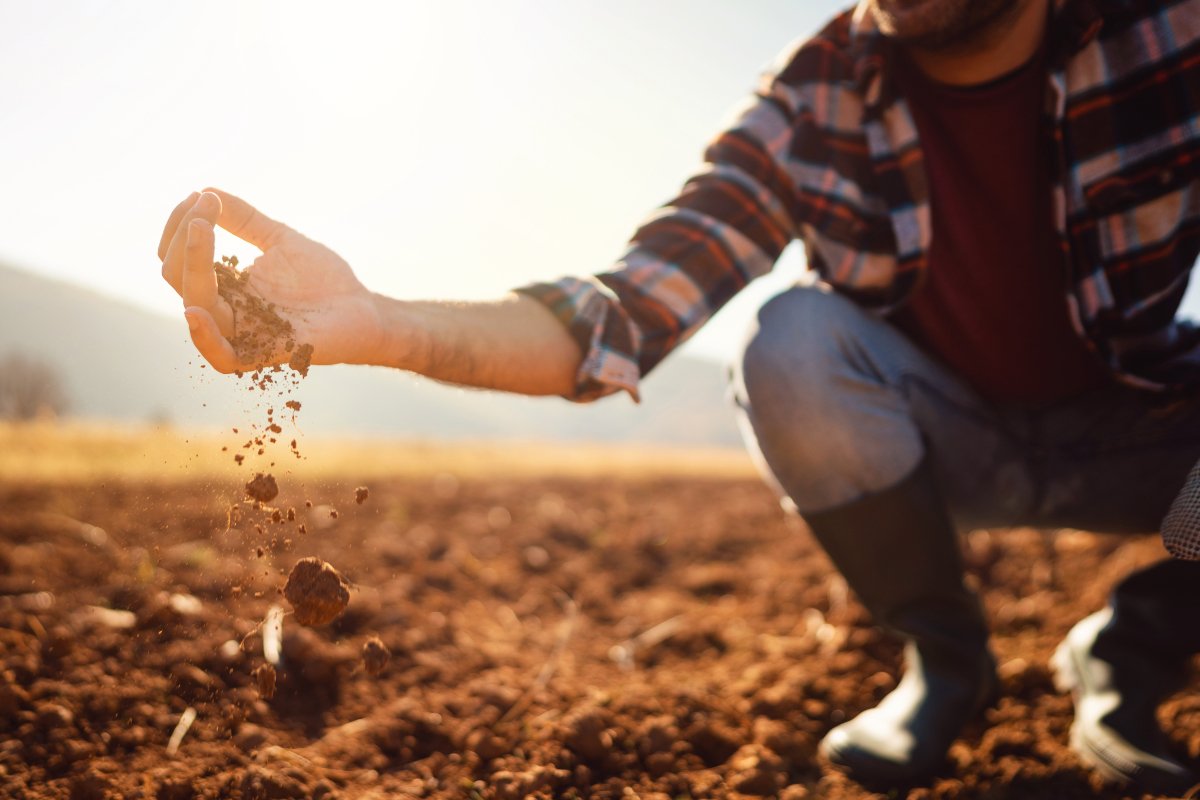
A benefit of soil regeneration practices, which make soils more fertile and resilient to land degradation, is that carbon from the atmosphere is captured in soil and plant biomass. The Intergovernmental Panel on Climate Change says carbon sequestration accounts for 90 percent of global agricultural mitigation potential by 2030.
After Hurricane Ike hit Cuba in 2008, researchers found polyculture plantain farms had fewer losses than monoculture farms. In general, strongly integrated agroecological farms sprang back to full production two months sooner than conventional farms.
The Open Source Seed Initiative was created by plant breeders, farmers, and seed companies as an alternative to patent-protected seeds sold by agricultural giants such as Monsanto. Its goal is to make seeds a common good again, equipping new crop varieties with an open source license. This allows farmers to save and trade seeds and develop their own hybrids for climate adaptation.

Traditional plant varieties are more adaptive than modern hybrids. In Peru, six Quechua communities form the ANDES Potato Park project, which holds about 1,500 varieties of cultivated potatoes. The project not only models seed diversity conservation, but also studies the traditional knowledge, practices, and spiritual beliefs that nurture those resources.
Agroecology requires skilled labor, yet the worst-paying jobs in the U.S. are in the food system. This makes food and farm labor a poverty issue. Food service jobs are held primarily by women and people of color, making it a social justice issue. Policies addressing these issues would increase wages—which the Fight for $15 campaign wants—protect field workers from harmful chemicals, and treat the migrant labor force fairly.
Scientists in Latin America are tapping traditional farmers for their expertise. “Campesino a Campesino” —translated as “peasant to peasant”—is the cultural model of knowledge dissemination throughout Latin America. Farmers sharing their results and ideas have helped to spread agroecological practices.
Will we quit flying out-of-season produce around the world? Australia’s Food Connect program delivers ecologically and ethically produced fruits and vegetables, dairy products, and bakery items from local farmers to consumer hubs. In Brisbane, door-to-door travel must be no farther than 250 miles, and farmers are paid four times what they would get from big grocery chains.
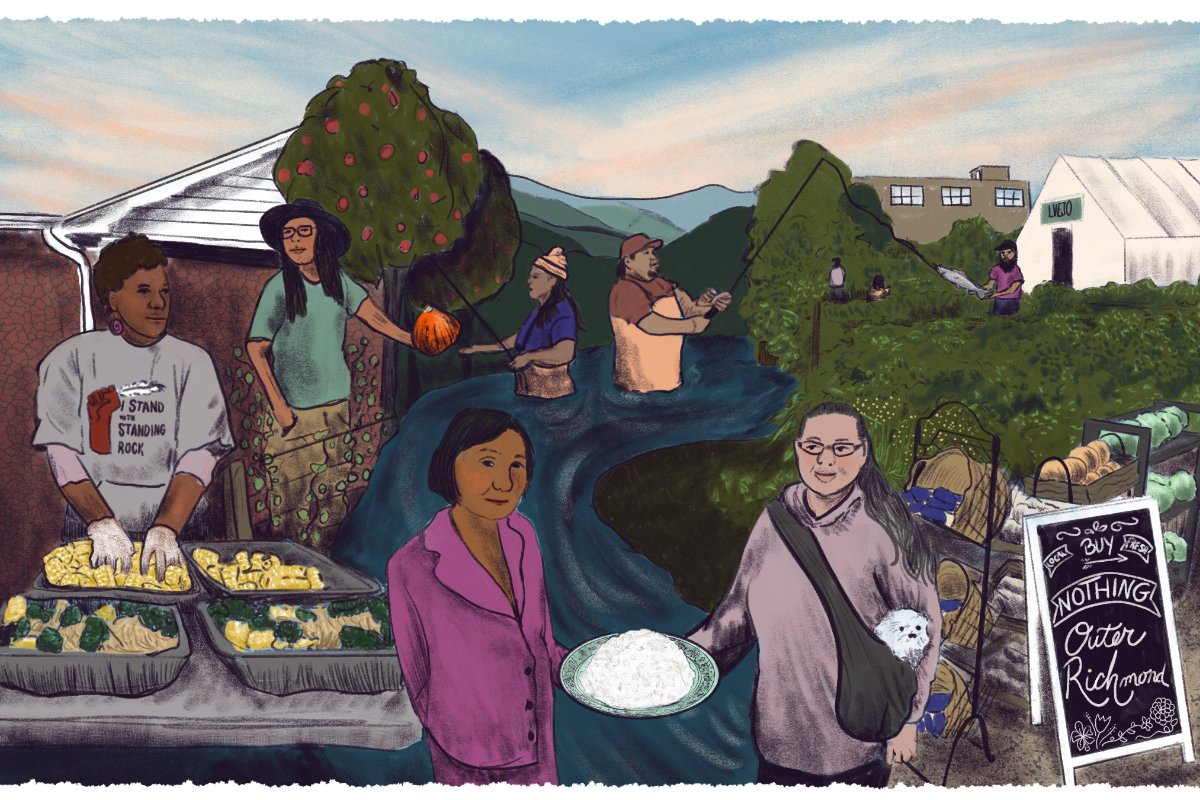
Low-income people are a large and ready market for farmers. Programs like Double Up Food Bucks make SNAP benefits worth double at farmers markets. In 2013, more than 10,000 first-time SNAP customers in Michigan used farmers markets.
Considering the energy used in daily cooking for 7 billion people, collective cooking and eating should be a goal. Not only does it cost less carbon per plate, but research also shows that where eating is a social activity, people are healthier.
Blue Hill chef Dan Barber, author of The Third Plate and known for his work to use less carbon in the production and serving of his food, argues that our standard plate of dinner should shift from a slab of protein with a side of vegetables to a plate full of seasonal vegetables with perhaps meat in a seasoning or a sauce. Some 30 percent of global greenhouse gas emissions is from industrial agriculture, including deforestation to support livestock.
Total land needed to grow feed just for Europe’s pork industry is the size of Ireland. The U.K.-based Pig Idea campaign encourages feeding leftover catering food to pigs because 40 percent of what farms produce is wasted. Also, the Gleaning Network has in the past four years rescued more than 288 metric tons of produce in Great Britain.
This article originally appeared in Yes! Magazine and is reprinted with permission.

Stories change how we see food — and how we act on it.
From farmworkers to policymakers, Civil Eats lifts up the people building a better food system.
Your gift this season will be doubled through NewsMatch, fueling independent journalism that’s hopeful, honest, and free for all.
Together, we can keep these stories alive — and keep the movement growing.
Give Today.


June 26, 2025
At our latest Civil Eats virtual salon, our team talked about the launch and evolution of the Tracker, a running report on federal actions that affect food and agriculture.
January 20, 2025
July 2, 2025
by sharing this important info.
Take care; and, God Bless All . . .
I'm so happy to see a rise not only in urban farms, but urban farms that involve the community and specifically, youth. They're the ones who are going to be responsible for fighting for a more sustainable future of food and they deserve access to the knowledge and resources that can do that.
Great article! It's time to empower the individual rather than wait for any big company to do what's right by the population.