Chemical Capture: The Power and Impact of the Pesticide Industry | Civil Eats STAGING

Chemical Capture: The Power and Impact of the Pesticide Industry

How the agrichemical industry is shaping public information about the toxicity of pesticides, how they’re being used, and the policies that impact the health of all Americans.

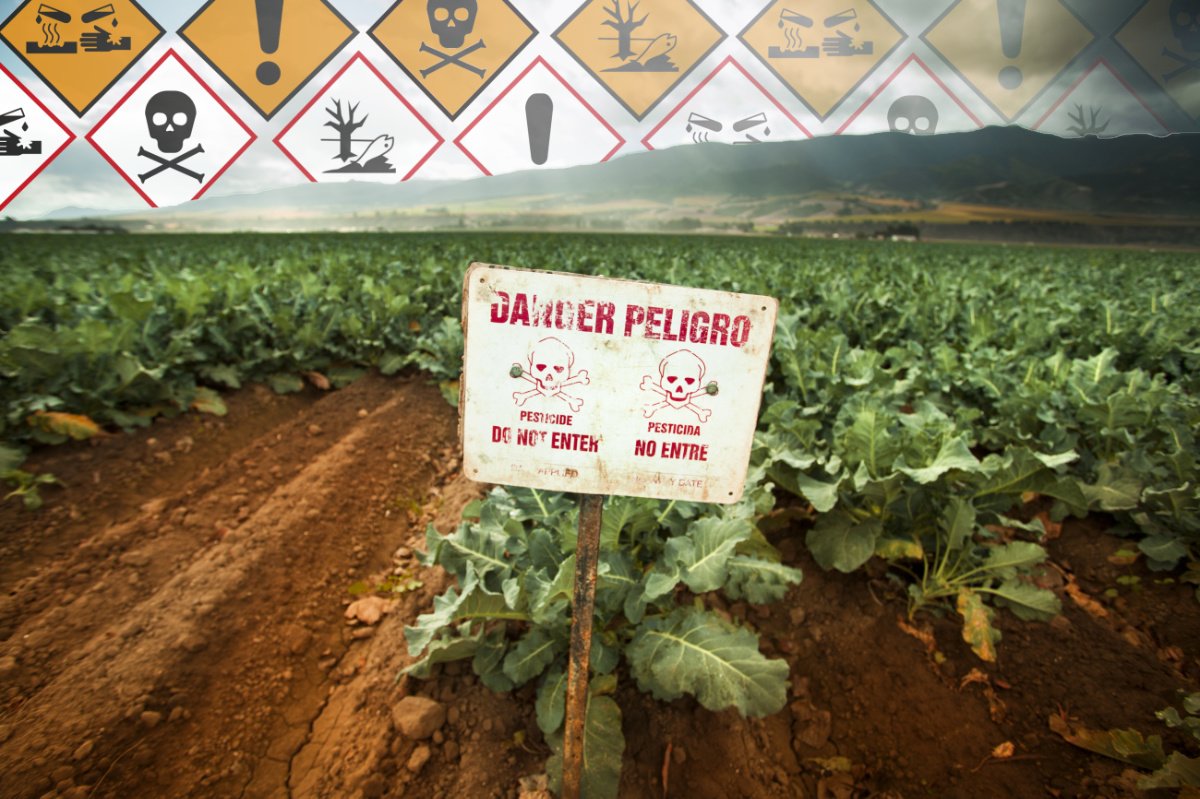
a farm field with a

Unlock the Full Story with a Civil Eats Membership

Expand your understanding of food systems as a Civil Eats member. Enjoy unlimited access to our groundbreaking reporting, engage with experts, and connect with a community of changemakers.

Join today

From Washington to Pennsylvania, farmers diagnosed with Parkinson’s disease have filed lawsuits against the maker of a popular herbicide, based on research that shows a potential link between the chemical and the disease. In California, researchers have connected insecticide exposure that farmworkers’ children experienced in the womb to a higher risk of behavioral problems into adolescence.

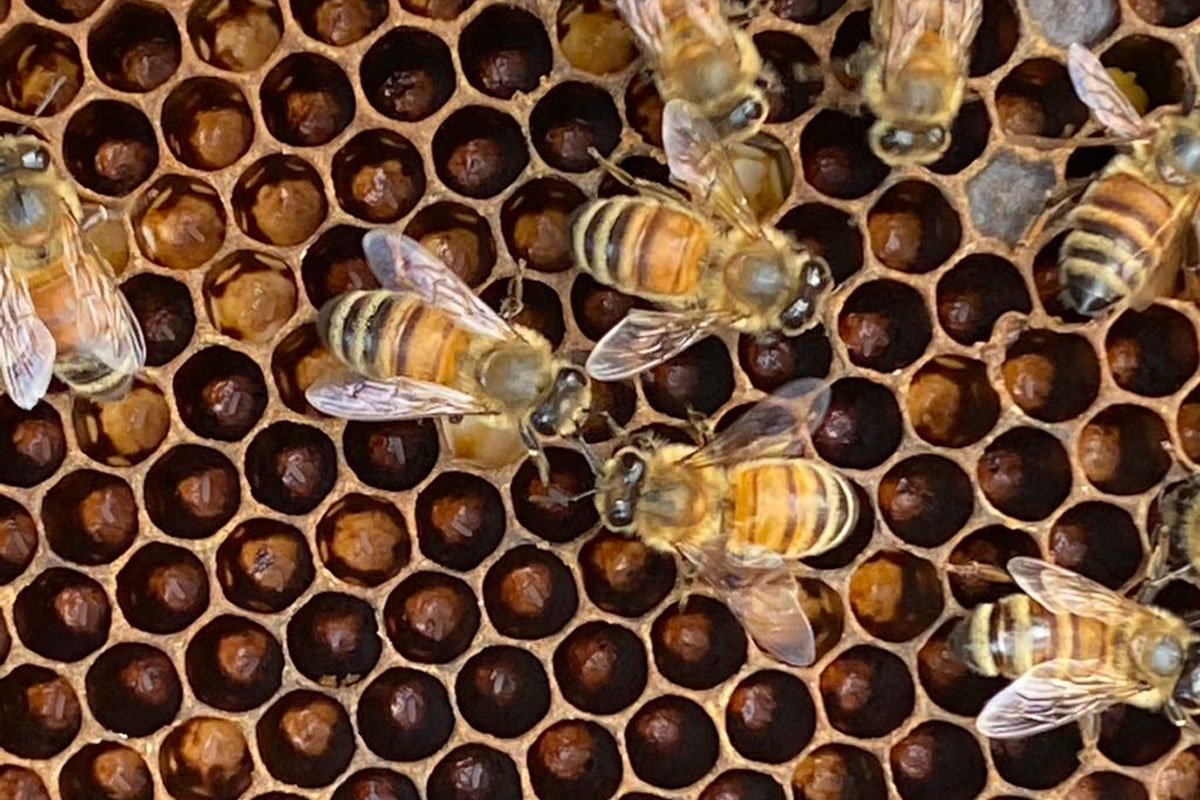
In Mead, Nebraska, one company’s handling of discarded seeds coated with the most common insecticides in the country led to water, air, and soil contamination that killed bees and other animals. Researchers are currently studying how the levels of the chemicals found in area homes might impact residents’ long-term health. At the U.S. Environmental Protection Agency, officials found those same insecticides are likely to harm as many as three-quarters of the country’s endangered plants and animals.

Chemical Capture: The Power and Impact of the Pesticide Industry

Read all the stories in our series:

For most Americans, the 400,000 tons of chemicals used to kill weeds, bugs, and fungi each year are invisible. But as Civil Eats’ reporting has shown over the past 15 years, the impacts of those pesticides are profound and span the entire food chain—from threatening important organisms in soil to causing illness due to acute exposure during use.

Over the past few decades, attention to those risks has grown in some ways, as evidenced by the annual popularity of Environmental Working Group’s Dirty Dozen campaign, among others. However, as sales of organic food nearly doubled in the U.S., topping $60 billion in 2022, and attention to regenerative agriculture practices soared, pesticide use continued to increase.

In fact, in 2020, American farmers beat out every other country in the world in terms of the volume of pesticides applied, according to an analysis from the U.N. Food and Agriculture Organization (FAO). And between 1990 and 2020, the amount of pesticides used per acre increased by 33 percent.

banner showing a radar tracking screen and the words

During that same time period, a series of mergers has made the top pesticide and seed manufacturers bigger and more powerful than ever. Four companies—ChemChina (which owns Syngenta), Bayer (which absorbed Monsanto), BASF, and Corteva Agriscience (formerly Dow and DuPont)—now control more than 62.3 percent of the world’s pesticide sales. In the U.S., that number is likely much higher.

And the strategies some of those companies have employed over the years to keep products linked to serious risks on the market are increasingly well-documented in court records.

There are countless questions to be asked, studied, and debated regarding when and where pesticides are necessary or appropriate, which Civil Eats’ regular reporting will continue to explore.

In this series, however, we will investigate whether consolidated corporate power may be contributing to the ubiquitous use of chemicals, making it difficult to sort facts from marketing or engage in rigorous cost-benefit analyses. We’ll report on how chemical companies use their influence to shape what we know about the toxicity of individual pesticides, how pesticides are used, and the federal and state policies that are intended to protect people from risks.

While the glyphosate taking up residence in Americans’ bodies and the neonicotinoids filling the country’s waterways may be invisible, the scale and urgency of the planet’s biodiversity crisis—and the ways in which research finds pesticide use contributes to it—are becoming more apparent.


We’ll bring the news to you.

Get the weekly Civil Eats newsletter, delivered to your inbox.

Join us as we examine the potential role that pesticide companies play in all of this.

Support Civil Eats during NewsMatch

Stories change how we see food — and how we act on it.

From farmworkers to policymakers, Civil Eats lifts up the people building a better food system.

Your gift this season will be doubled through NewsMatch, fueling independent journalism that’s hopeful, honest, and free for all.

Together, we can keep these stories alive — and keep the movement growing.

Give Today.

Civil Eats Supporting Membership $60/year $6/month
Give One, Get One Membership $100/year
Learn more about our membership program

Lisa Held is Civil Eats’ senior staff reporter and contributing editor. Read more >

Like the story?
Join the conversation.


Warning: Undefined variable $aria_req in /srv/users/civileats/apps/civileats/public/wp-content/themes/CivilEats/comments.php on line 16

Warning: Undefined variable $aria_req in /srv/users/civileats/apps/civileats/public/wp-content/themes/CivilEats/comments.php on line 21

More from

Pesticides

Featured

Paulina Velasco from the Institute for Nonprofit News moderated a discussion with Brian Calvert, senior editor, Lisa Held, senior staff reporter and contributing editor, and Matt Wheeland, operations director.

Inside the Food Policy Tracker

At our latest Civil Eats virtual salon, our team talked about the launch and evolution of the Tracker, a running report on federal actions that affect food and agriculture.

Popular

Lorem Ipsum Post

EPA Hires Farm and Pesticide Lobbyist to Oversee Pesticide Regulation

A logo showing the Civil Eats Food Policy Tracker, looking like a radar following food policy proposals and actions

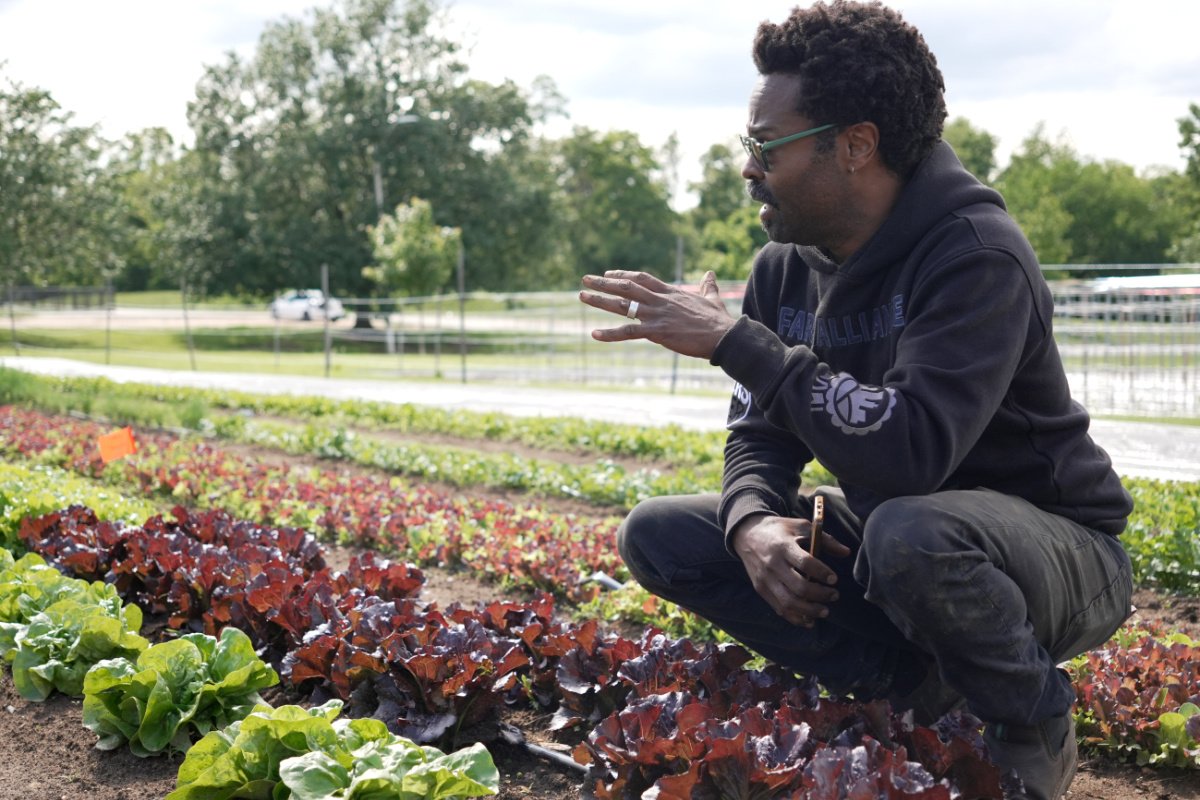
Can This Baltimore Academy Continue to Train Urban Farmers?

Denzel Mitchell at Black Butterfly Teaching Farm. (Photo credit: Sam Delgado)

EPA Funds Projects to Help Farmers Reduce Runoff Into the Great Lakes

A logo showing the Civil Eats Food Policy Tracker, looking like a radar following food policy proposals and actions