Civil Eats Included In ‘Best American Food and Travel Writing’

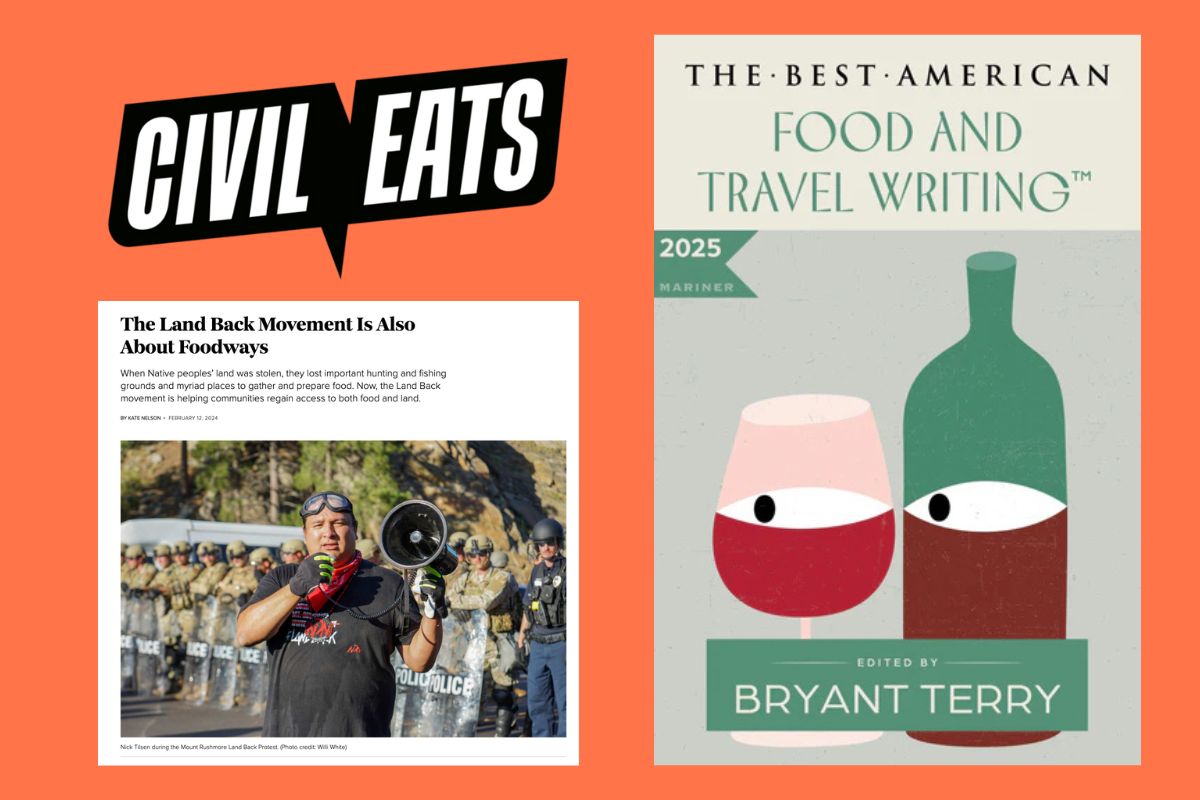
Civil Eats Included in ‘The Best American Food and Travel Writing 2025’

The rigorously selected collection, part of the legendary Best American Series, features stories by Contributor Kate Nelson and Associate Editor Christina Cooke.  

an image on the left with the

Two Civil Eats writers, Kate Nelson and Christina Cooke, have stories in the upcoming anthology.

We’re very pleased to announce that stories by two of our writers, Kate Nelson and Christina Cooke, have been included in The Best American Food and Travel Writing 2025.  Just 20 pieces were chosen, and it’s a great honor to be among them. The anthology, part of the Best American Series, will be published in October.

Unlock the Full Story with a Civil Eats Membership

Expand your understanding of food systems as a Civil Eats member. Enjoy unlimited access to our groundbreaking reporting, engage with experts, and connect with a community of changemakers.

Join today

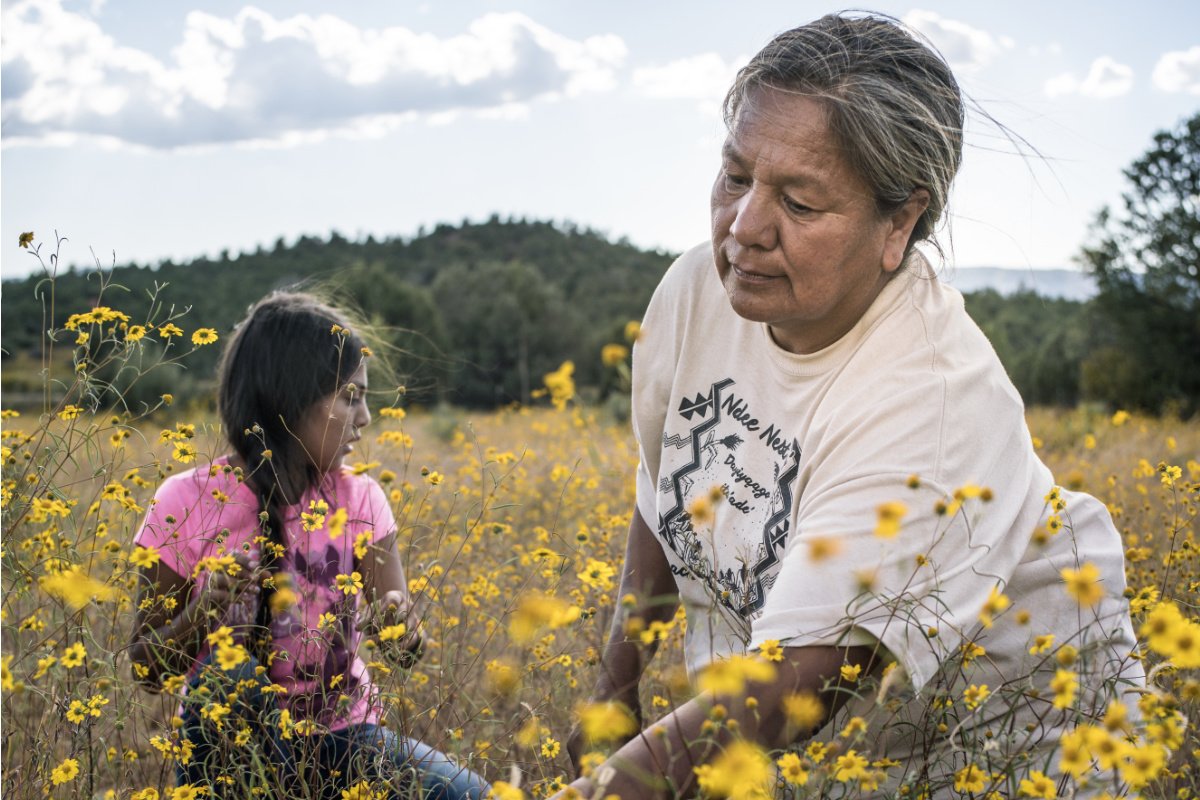
Nelson’s story, “The Land Back Movement Is Also About Foodways,” recounts the 19th-century seizure of Indigenous hunting, fishing, and gathering grounds by settlers and the military across the United States. “Native peoples have lost nearly 99 percent of their historical land base in the U.S. . . . With it, they lost access to important hunting and fishing grounds as well as myriad places to gather and prepare food,” writes Nelson, an Alaska Tlingit tribal member.

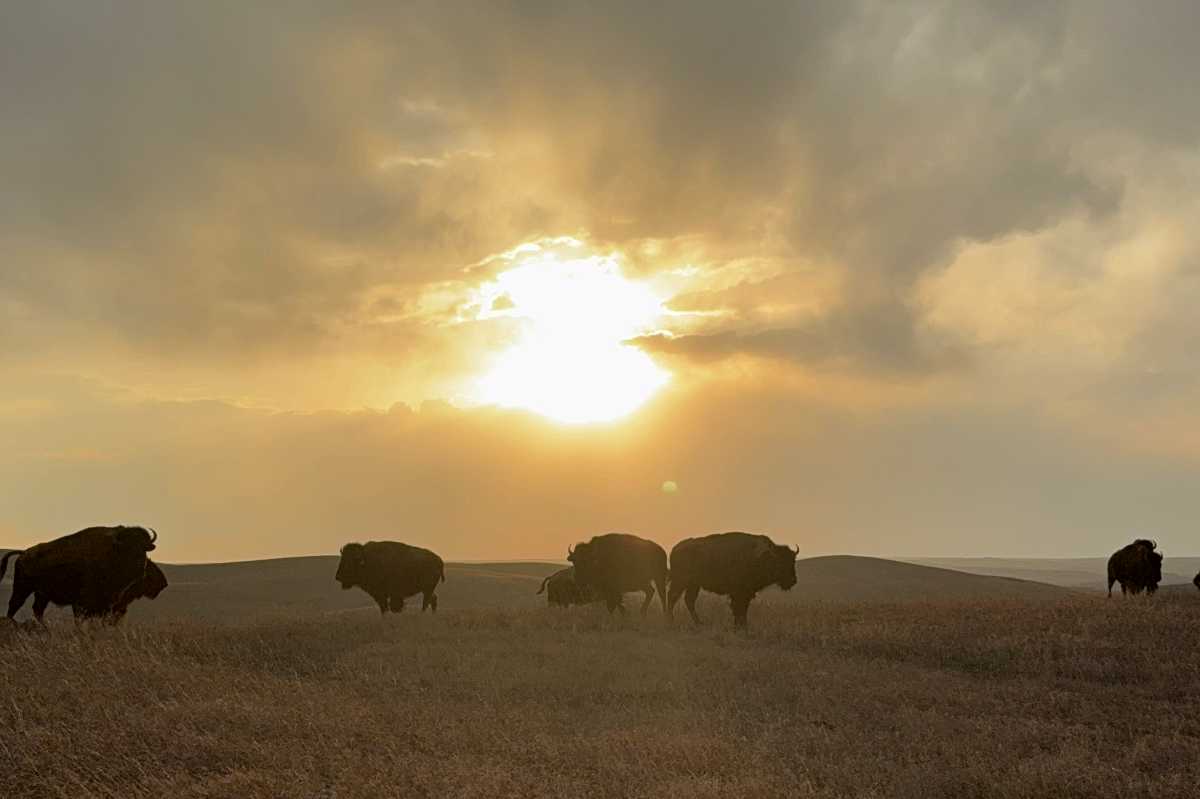
The Land Back movement, she says, is driven by a desire for “a powerful yearning to rebuild relationships to actual places—and the countless living things that inhabit them.” And, from Minnesota to California, tribes are managing to do just that, she reports, reclaiming grasslands for bison, farmland for sacred corn, and forests for harvesting wild rice.

Nelson also points out that land under Indigenous stewardship holds benefits for all of us, citing studies that support the power of traditional ecological practices to offset climate change. “The future we’re fighting for is not just a future for Indigenous people—it’s a future for people everywhere,” says Oglala Lakota Nick Tilsen, the CEO of NDN Collective, a Native-led activist coalition.

In addition, Nelson’s story was recognized by the James Beard Journalism Awards committee as part of The Deep Dish, our member newsletter, which is a finalist for the Columns and Newsletters award (the winners will be announced on June 14).

We’re also celebrating “Black Earth,” a lyrical profile of a North Carolina farmer that we cross-posted from The Bitter Southerner, written by Civil Eats’ Associate Editor Christina Cooke, whose nuanced, graceful writing appears regularly on our site. “Black Earth” is in the running for a James Beard Award too.

banner showing a radar tracking screen and the words

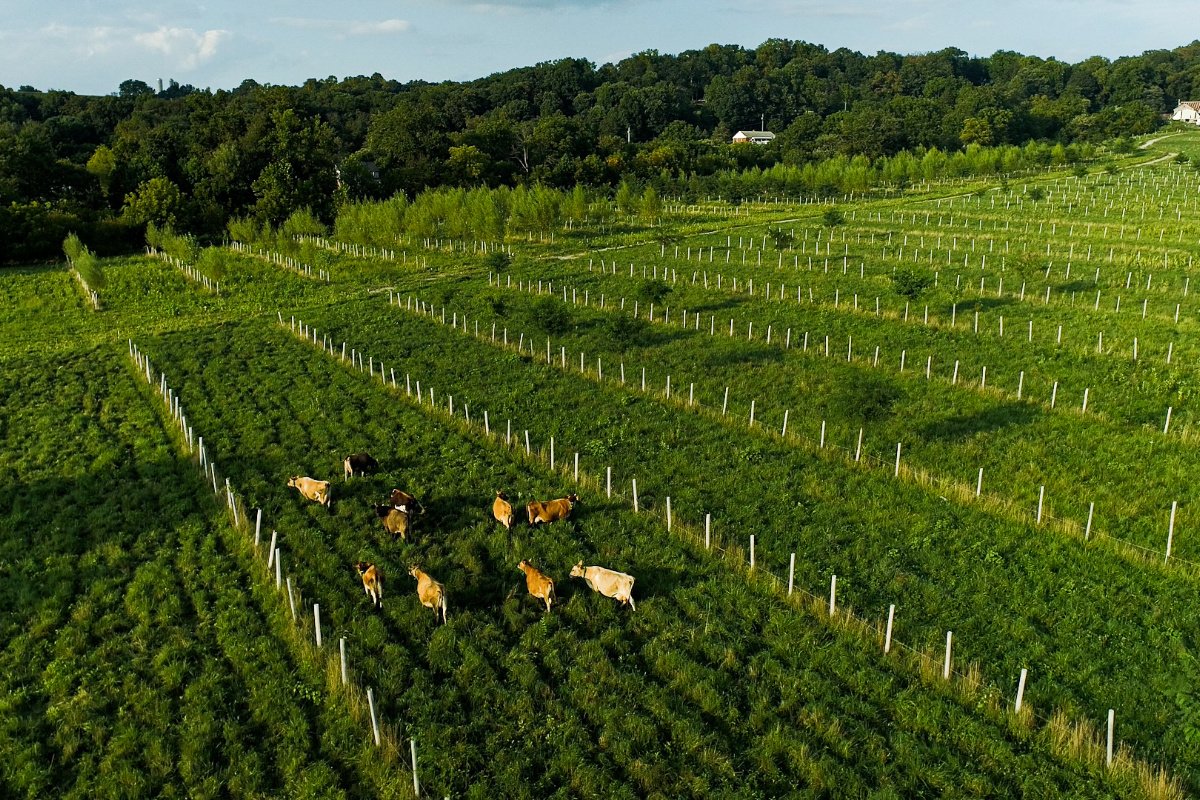
In telling the story of Patrick Brown, who recently purchased the plantation where his ancestors had been enslaved, Cooke deeply explores hundreds of years of Brown family history against the backdrop of American racism and discrimination, showing the family’s struggles and triumphs in an epic feat of reporting. She dives deep into Brown’s own many-chaptered life, too, recounting his farm childhood and his work in real estate, as an agricultural advisor in Afghanistan, with the Department of Defense, and now as a regenerative hemp farmer and grower of vegetables for his community. All of this richly told history resonates in the story’s final scenes, with Brown on his farm, “carrying out acts of reclamation, finding ways to push back against the systems designed to oppress people of color.”

To arrive at the final selections for the anthology, series editor and food writer Jaya Saxena combed through submissions from print and online publications, as well as doing her own research. Then she and guest editor Bryant Terry, the cookbook author and food activist, reviewed them. Both Nelson’s and Cooke’s pieces, she said, “hit that great intersection of speaking to the food and travel conversation happening in America right now, as well as being just genuinely beautiful writing.”

“Kate Nelson’s ‘The Land Back Movement Is Also About Foodways’ stood out for the way it powerfully connects Indigenous sovereignty with food systems, layering history, activism, and ecology into a deeply reported narrative,” Terry added. “Christina Cooke’s ‘Black Earth’ is equally compelling, weaving together questions of Black identity, land ownership, and healing with an intimacy that lingers long after the final paragraph. Both writers bring nuance, vision, and a fierce sense of purpose to their work—exactly the kind of storytelling we need in this moment.”

Civil Eats writers have been featured in previous Best American Food Writing editions. Kim O’Donnel’s piece “Cooking as the Cornerstone of a Sustainable Food System” and Barry Estabrook’s “Five Things I Will Not Eat” were both chosen in 2014. In 2023, former Senior Reporter Wesley Brown’s story “Black Farmers in Arkansas Still Seek Justice a Century After the Elaine Massacre,” was selected for the collection.

The Best American Food and Travel Writing 2025 also includes terrific, insightful pieces by many others whose writing we admire, among them John Paul Brammer’s “How to Eat a Rattlesnake” for The New Yorker; Reem Kassis’s “They Ate at My Table, Then Ignored My People” for The Atlantic; and Kayla S. Stewart’s “An African Legacy Endures in Palenque, Columbia,” for Saveur.

We’ll bring the news to you.

Get the weekly Civil Eats newsletter, delivered to your inbox.

Support Civil Eats during NewsMatch

Stories change how we see food — and how we act on it.

From farmworkers to policymakers, Civil Eats lifts up the people building a better food system.

Your gift this season will be doubled through NewsMatch, fueling independent journalism that’s hopeful, honest, and free for all.

Together, we can keep these stories alive — and keep the movement growing.

Give Today.

Civil Eats Supporting Membership $60/year $6/month
Give One, Get One Membership $100/year
Learn more about our membership program

Margo True is the editorial director of Civil Eats. She’s been fascinated by food, and the way food connects to and reverberates through all aspects of life, for more than 30 years. A longtime magazine journalist, she’s worked for Gourmet, Saveur, and Sunset, and has won four James Beard journalism awards. Most recently, True was the lead writer and editor for Patagonia Provisions, the food division of Patagonia, focusing on food’s role in restoring ecosystems. She lives in the San Francisco Bay Area, loves to cook, and enjoys learning to surf, hunt wild foods and bike the trails of Mount Tamalpais. Read more >

Like the story?
Join the conversation.


Warning: Undefined variable $aria_req in /srv/users/civileats/apps/civileats/public/wp-content/themes/CivilEats/comments.php on line 16

Warning: Undefined variable $aria_req in /srv/users/civileats/apps/civileats/public/wp-content/themes/CivilEats/comments.php on line 21

More from

Indigenous Foodways

Featured

Paulina Velasco from the Institute for Nonprofit News moderated a discussion with Brian Calvert, senior editor, Lisa Held, senior staff reporter and contributing editor, and Matt Wheeland, operations director.

Inside the Food Policy Tracker

At our latest Civil Eats virtual salon, our team talked about the launch and evolution of the Tracker, a running report on federal actions that affect food and agriculture.

Popular

Lorem Ipsum Post

EPA Hires Farm and Pesticide Lobbyist to Oversee Pesticide Regulation

A logo showing the Civil Eats Food Policy Tracker, looking like a radar following food policy proposals and actions

Can This Baltimore Academy Continue to Train Urban Farmers?

Denzel Mitchell at Black Butterfly Teaching Farm. (Photo credit: Sam Delgado)

EPA Funds Projects to Help Farmers Reduce Runoff Into the Great Lakes

A logo showing the Civil Eats Food Policy Tracker, looking like a radar following food policy proposals and actions