X
 [searchandfilter id="40551"]
[searchandfilter id="40551"]
[searchandfilter id="40551"] 
January 21, 2011



I’ve been asked to respond to a query sent out by GOOD magazine’s new food hub, in their week-long series Food for Thinkers. They ask, “What does–or could, or even should–it mean to write about food today?”
Expand your understanding of food systems as a Civil Eats member. Enjoy unlimited access to our groundbreaking reporting, engage with experts, and connect with a community of changemakers.
Already a member?
Login
I write about food because I think it is a vital issue that has for decades been critically overlooked by the media–and thus the American public–leaving a vast backlog of interesting stories. And because I think food has the potential to unite us.
The beet beat
If you are a journalist looking for an untapped market welling with potential stories, there could not be a better time to write about food. This is because food is a subject that touches so many lives everyday, and there is so much we don’t yet know about our relationship to it. Sure the media is contracting and thus not willing to experiment much with bringing a reporter on a new beat. But if there is one thing editors understand, it’s a good story–and there has been a noticeable shift in coverage over the last three years, with major outlets now filing food stories regularly.
Within the food writing space there are so many specific beats one can cover–from immigration and issues facing food system laborers, to healthcare, food safety and the national obesity crisis, and to the role modern agriculture plays in climate change and environmental degradation. Food today is still most often covered from a business angle or a hedonist foodie angle. But while these stories do have their place, these reporters have the potential–and I would even say duty–to expose their audience to the larger issues.

Agriculture beat journalism has been in slow and steady decline for the past four decades, leaving a handful of pros (like Philip Brasher, Chris Clayton, Jerry Hagstrom and Charles Abbott, all of whom I read regularly) reporting on policy issues from Washington, DC. This is absolutely necessary work, but the audience for food stories is expanding and changing rapidly. Rather than being a mostly rural farm population, readers are eaters, mom and dads, policy wonks of all stripes–and they are shifting the focus of the beat. They want to understand the process by which food gets to their plate, who the farmers that are growing it are and why they make the decisions that they do, how food is regulated for safety, the effect regionalized food systems have on local economies and job creation, how agricultural land is being stewarded, and more.
Bringing it to the table
Traditional agriculture journalism and the bloggers and reporters covering this new food territory are not at odds with each other. In fact, much of my work on Civil Eats is bolstered by the reporting being done by those embedded in DC. And if I had to guess, agriculture journalists are interested in our coverage, too.
The same can be said about battles stoked between industrial and organic agriculture. The media love to pit two sides against each other to move papers. Of course, there are legitimate reasons that both feel frustrated and even threatened by each other, but at the end of the day there are no easy choices in farming. Getting caught up in the black and white debates when it comes to food is easy because we’ve been critically uninformed by the media on food issues for so long. But this is changing. And as it does, corporations will have to alter their practices, critical misuse of resources will have to be addressed, and better access to healthier food choices will become a priority.
In fact, it is when corporations intervene on the discussion between farmers and eaters that the truth gets muddied and lines get drawn in the sand. As Upton Sinclair said, “It is difficult to get a man to understand something when his job depends on not understanding it.”
We must therefore bring farmers and eaters to tables all across the country and get them talking to each other. Journalism can be the facilitator for that conversation–as it delivers facts about what is out there, and what is working and what isn’t working, and lays them in the sunlight.
At the end of the day, reporting on food is all about what we get to eat, and that is an exciting prospect. It’s why I am so optimistic about the future of our food system–when you bring people together at one table and feed them well, there are always things that they can agree on.

Stories change how we see food — and how we act on it.
From farmworkers to policymakers, Civil Eats lifts up the people building a better food system.
Your gift this season will be doubled through NewsMatch, fueling independent journalism that’s hopeful, honest, and free for all.
Together, we can keep these stories alive — and keep the movement growing.
Give Today.

June 26, 2025
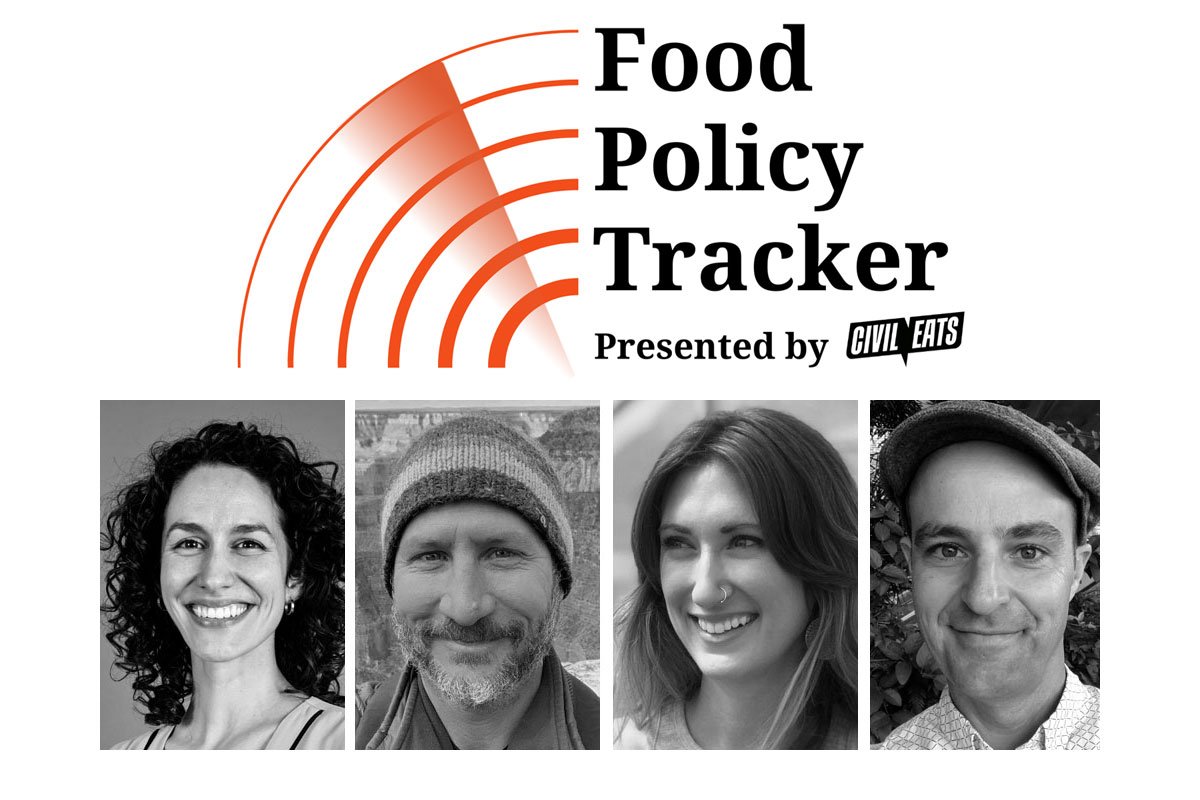
At our latest Civil Eats virtual salon, our team talked about the launch and evolution of the Tracker, a running report on federal actions that affect food and agriculture.
January 20, 2025
July 2, 2025
Like the story?
Join the conversation.
Warning: Undefined variable $aria_req in /srv/users/civileats/apps/civileats/public/wp-content/themes/CivilEats/comments.php on line 16
Warning: Undefined variable $aria_req in /srv/users/civileats/apps/civileats/public/wp-content/themes/CivilEats/comments.php on line 21