
X
 [searchandfilter id="40551"]
[searchandfilter id="40551"]
[searchandfilter id="40551"] 
May 10, 2011




Would you change the way you eat if it kept you from getting cancer or stopped the disease in its tracks? Could you see yourself adding more sustainable, fresh local foods to your diet every day if it might prolong your life? Cancer researcher Dr. William Li, of the Angiogenesis Foundation, thinks you can.
Expand your understanding of food systems as a Civil Eats member. Enjoy unlimited access to our groundbreaking reporting, engage with experts, and connect with a community of changemakers.
Already a member?
Login
Li’s work revolves around looking at the way that our blood vessels–every person has around 60,000–deliver oxygen and nutrients to the all our body’s organs, but can also feed cancers and grow tumors in the body. To prove his theory about the preventative powers of healthy food, his Angiogenesis Foundation has kicked off an Eat to Defeat campaign, that has a goal of signing up one million volunteers who are willing to increase their intake of healthy foods, and to become a part of his research.
How It Works
Dr. Li says that each person’s body has the power to regulate how many blood vessels there are operating in it at any one time, and that balance of this number is critical to health.
When we suffer an injury, the body creates a set amount of new blood vessels, and when we don’t need that much blood supply, the body knows how to “prune the vessels back to baseline,” said Dr. Li. This process is called angiogenesis. When the body doesn’t have enough blood vessels, it can lead to poor circulation, strokes, heart attacks and even hair loss. On the flip side, a body that has too much angiogenesis can create cancers, blindness, Alzheimer’s disease and other ailments. “Obesity can also be linked to the imbalance of angiogenesis,” said Dr. Li.
Cancerous tumors cause the body to have a difficult time regulating the number of blood vessels present. Dr. Li said that most of us live with small microscopic tumors in our bodies that don’t cause us any risk at all. The trouble comes when there is an increase in blood vessels that feed those small tumors and make them grow.” And as the cancer grows, it allows the malignant cells to metastasize to other organs.

His main theory is that certain foods can literally bring naturally occurring inhibitors of angiogenesis into the body and stop or slow down cancer.
“Prevention is a better way of doing this than through treatment after the cancer has occurred,” Dr. Li says. “We know that diet accounts for 30 to 35 percent of environmental cancers.”
On his list of superfoods that help keep cancer and disease at bay are red grapes and red wine that have concentrated levels of resveratrol, which Li says “can cut off the growth of blood vessels.” In the case of prostate cancer in men, Li says that consuming cooked tomatoes at least two to three times per week can reduce a man’s risk of prostate cancer. Why? “Those who ate more cooked tomatoes had fewer blood vessels growing and feeding their cancerous tumors.” Other foods with the power to block the growth of blood vessels are oranges, lemons, cherries, spinach, kale and bok choy, tumeric, nutmeg and garlic, to name a few. He even suggests that drinking a combination of teas can aid in anti-angiogenesis.
While studies show that eating a healthy diet full of fresh fruits and vegetables can make significant improvements in health, more work needs to be done to prove that the cure for cancer lies in what we eat. Dr. Li has teamed up with Dean Ornish, the diet guru at University of California to learn more about the impact of diet on controlling angiogenisis. The two doctors will also be looking at the impact of angiogenesis on obesity. Dr. Li has suggested that cutting off blood supply through diet may be a way to shrink fat and reduce obesity. Chefs Mario Batali, Ming Tsai, and Michael Schlow have signed on to the Eat to Defeat campaign by offering up healthy recipes using the dietary sources that Dr. Li outlines.
At this point, does anybody know that this approach to eating is a sure fire guarantee that you’ll spend your whole life cancer-free? No, but it is a part of a common sense approach to being fitter and living healthy.
Watch Dr. Li talk about angiogenesis at TED here:

Stories change how we see food — and how we act on it.
From farmworkers to policymakers, Civil Eats lifts up the people building a better food system.
Your gift this season will be doubled through NewsMatch, fueling independent journalism that’s hopeful, honest, and free for all.
Together, we can keep these stories alive — and keep the movement growing.
Give Today.

June 26, 2025
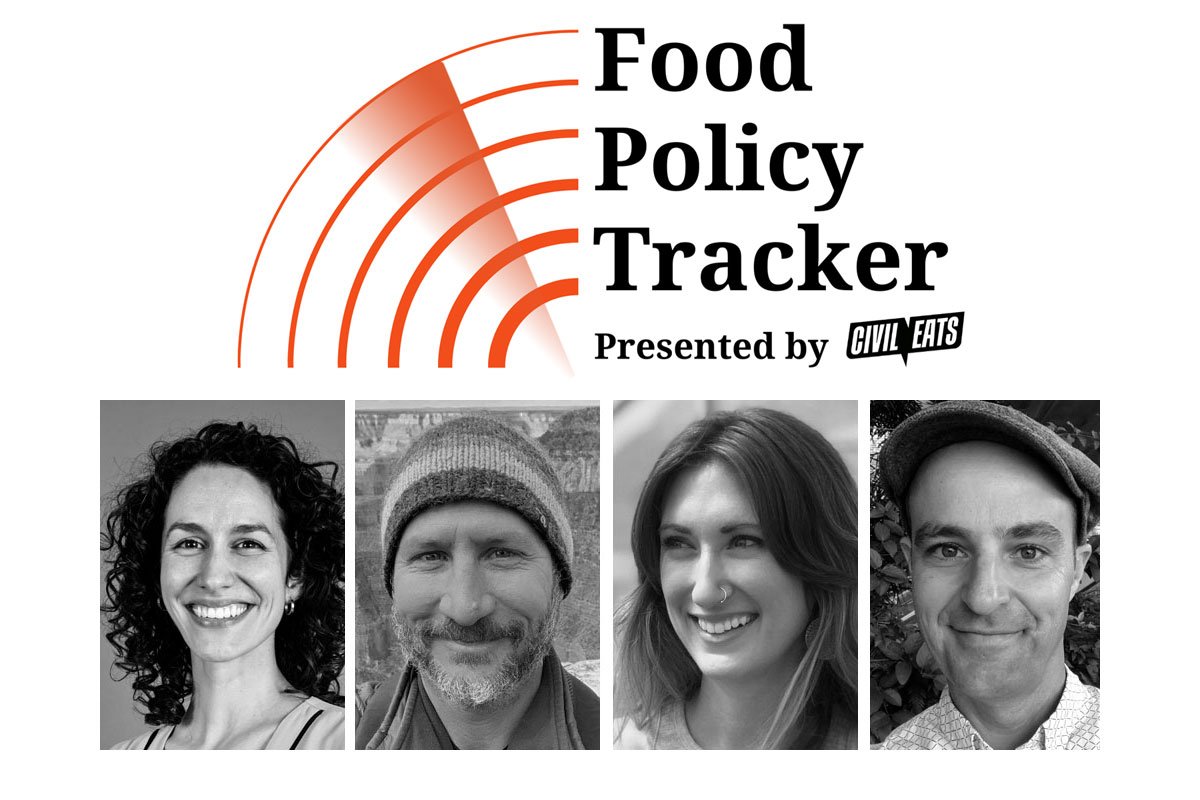
At our latest Civil Eats virtual salon, our team talked about the launch and evolution of the Tracker, a running report on federal actions that affect food and agriculture.
January 20, 2025
July 2, 2025




Village Doctor US
Findrxonline