
X
 [searchandfilter id="40551"]
[searchandfilter id="40551"]
[searchandfilter id="40551"] 
October 23, 2013



On October 16, Congress ended the government shutdown, bringing to a close a two-week distraction from critical issues facing the country. During this period of partisan politicking, some may have forgotten about the House Republicans’ plan to gut the Supplemental Nutrition Assistance Program (SNAP), often referred to as food stamps, by $39 billion over the next 10 years.
Expand your understanding of food systems as a Civil Eats member. Enjoy unlimited access to our groundbreaking reporting, engage with experts, and connect with a community of changemakers.
Already a member?
Login
The four million Americans who are set to lose their benefits certainly didn’t forget and neither should we.
On top of congressional hostility, the 2009 stimulus package’s modest 5.5 percent SNAP boost will end November 1 for those who are allowed to remain on the program. That’s a loss of $11 per month for an individual and $36 for a family of four.
Does this sound like a program that can stand to lose nearly $40 billion? We don’t think so either.
California’s poor are hit doubly hard by poverty and hunger. Not only does California have the highest poverty rate in the country, but it ranks dead last among states when it comes to enrolling eligible families in SNAP. That means that 1.4 million households in California are missing benefits to which they are entitled and that would measurably improve their lives.
This underutilization has crippling human and economic impacts. In Alameda County alone (including the city of Oakland) California Food Policy Advocates (CFPA) found an estimated annual loss of more than $180 million in benefits for residents who qualify for food assistance. Because every dollar spent on SNAP generates $1.79 in stimulative economic activity, much of it in the local economy, this costs the county more than $325 million per year.
We’ll make what has become a bold claim: In a world with more than enough food for all, no one should go hungry. No drought or famine explains why one in seven Americans are hungry. This is a purely political disaster.

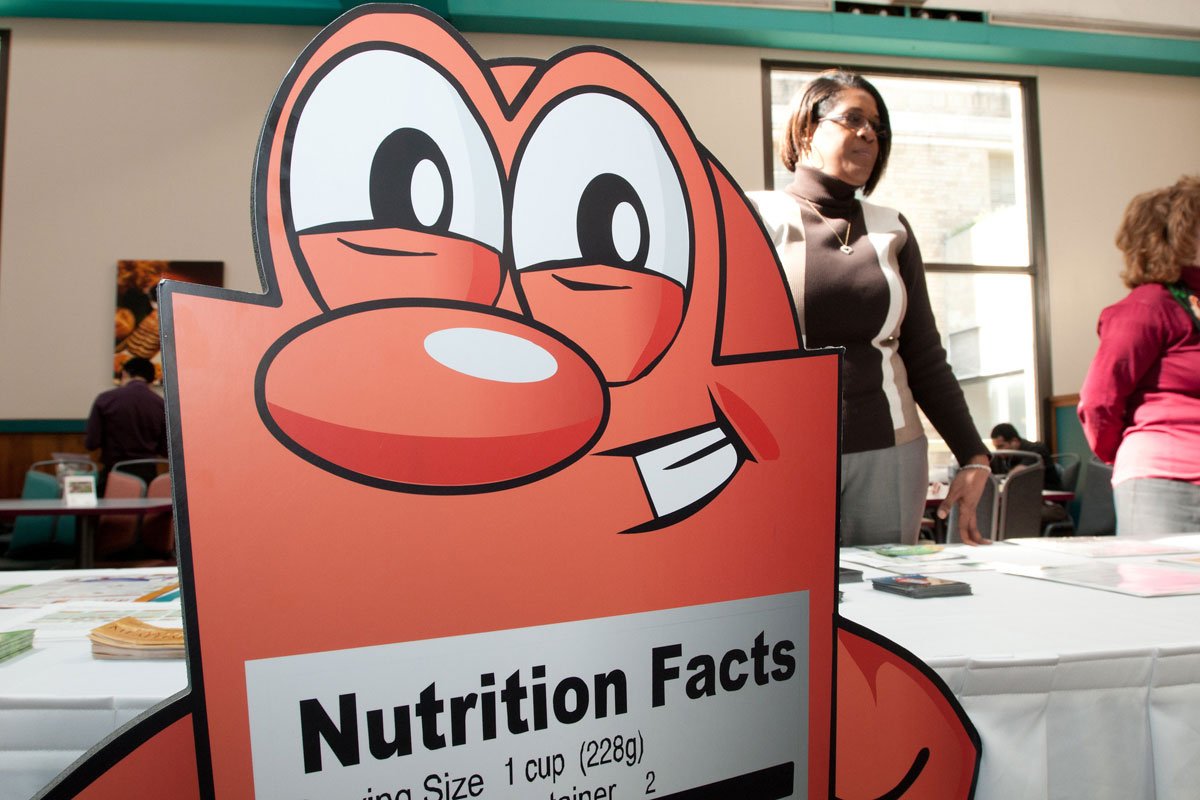
Yet some policymakers insist that SNAP offers a lavish lifestyle to the undeserving poor, despite the fact that the average daily benefit per person in California is less than $5. It’s a sad day when our leaders claim that we can’t afford to help feed the hungry, while spending billions in the same bill on insurance subsidies for well-connected corporate agriculture interests to grow corn and soy.
Two-thirds of SNAP recipients are children, the elderly, or people with disabilities. Four out of five households that receive SNAP include someone earning a low wage (which helps many large employers get away with paying poverty wages). Who is really undeserving in this equation?
The now-perennial fight over benefits distracts policymakers and advocates from innovations that could make SNAP more effective. Congress should invest in promising local initiatives, like summer benefit increases to families with children, when hungry kids no longer get school meals, or “double-up” programs, which allow SNAP dollars to go twice as far when spent on fresh fruits or vegetables.
Additionally, retailers and the U.S. Department of Agriculture must release more information about where and how SNAP funds are spent, which would give researchers and advocates the tools they need to confront the relationship between hunger and obesity. Small municipalities should be given the latitude to pilot programs that limit SNAP spending on sodas so we can better understand how such changes impact health and enrollment rates.
Rather than booting hungry people off SNAP, we should be working to ensure that all those who are eligible for assistance can get it.
States like California create their own rules, which can in turn make getting help more difficult than it should be. State and local lawmakers must act to ensure that all Californians have a genuine opportunity to receive the food assistance for which they are eligible. That means streamlining the enrollment process and harnessing technology to link participation in other assistance programs like MediCal to SNAP enrollment.
We hear over and again that budgets mean tough choices. Through our work in communities, we know tough choices are already distressingly common for the most vulnerable among us. An elderly person chooses to make a can of chicken soup stretch for three days so she can afford a pair of eyeglasses. A mother chooses to tell her children, “I’m just not hungry tonight,” so that they will eat.
Even an $11 cut means those tough choices multiply, with lasting effects on their health and on our community. Imagine that times $39 billion.
Or, we can imagine something better. Children who aren’t hungry perform better in school, get sick less often, and are at lower risk for unhealthy weight. SNAP makes that possible. SNAP means our community doesn’t feel the pain of an empty stomach.
We can make a better choice, one that multiplies immediately for our neighbors, our economy, and our future.

Stories change how we see food — and how we act on it.
From farmworkers to policymakers, Civil Eats lifts up the people building a better food system.
Your gift this season will be doubled through NewsMatch, fueling independent journalism that’s hopeful, honest, and free for all.
Together, we can keep these stories alive — and keep the movement growing.
Give Today.


June 26, 2025
At our latest Civil Eats virtual salon, our team talked about the launch and evolution of the Tracker, a running report on federal actions that affect food and agriculture.
January 20, 2025
July 2, 2025




Like the story?
Join the conversation.
Warning: Undefined variable $aria_req in /srv/users/civileats/apps/civileats/public/wp-content/themes/CivilEats/comments.php on line 16
Warning: Undefined variable $aria_req in /srv/users/civileats/apps/civileats/public/wp-content/themes/CivilEats/comments.php on line 21