Op-ed: The Farm Group that's Part of Rural America's Crisis | Civil Eats STAGING

Op-ed: The Farm Group that’s Part of Rural America’s Crisis

With a massive budget from its insurance activities and its policy emphasis on industrial-scale farming, the Iowa Farm Bureau isn't helping rural communities.

tractors harvesting a giant soy crop

Over the past three decades, obesity rates have more than doubled among adults, and tripled among children and adolescents while diet-related illnesses such as diabetes and heart disease have reached a crisis point.

Unlock the Full Story with a Civil Eats Membership

Expand your understanding of food systems as a Civil Eats member. Enjoy unlimited access to our groundbreaking reporting, engage with experts, and connect with a community of changemakers.

Join today

These epidemics are well-documented, but most people point to individual’s personal responsibility as the root cause.

In reality, what we eat is a political problem. A recent landmark article in the journal Lancet identified structural changes to the farm bill in the 1970s as the culprit of the obesity crisis. At that time, the Secretary of Agriculture Earl Butz replaced the New Deal agricultural policies that sought to manage supply and protect farmers from the big agribusiness companies with a system with one that forced farmers to get big or get out, and to plant commodity crops—corn, soy, wheat—from fencerow to fencerow. Butz’ mantra was simple: volume, volume, and more volume.

Monopolies thrive under this system, at the expense of our health and environment. Grocery stores now teem with a cornucopia of different products, but a few firms with dominant market positions manufacture the vast majority of the supermarket items, as highlighted in a 2013 report from Food and Water Watch. This focus on volume—in farming as well as in food production—has led to a seemingly endless availability of cheap carbs and highly processed sugar- and salt-laden convenience foods, at the expense of more nutritious options. The same companies that make these foods also tend to own the weight-loss products designed to solve the problems caused by those foods.

Iowa is the nation’s largest producer of pork, and the world leader in corn production and one of the biggest proponents of this system—and one of its biggest beneficiaries—is the Iowa Farm Bureau.

Although the Iowa Farm Bureau was created to advocate for farmers and rural communities and is registered as a non-profit corporation, it now receives 84 percent of its revenue from its for-profit insurance arm, the FBL Financial Group, which controlled $10.1 billion in assets in 2017 alone. Its holdings include millions of dollars of investments in large agribusiness conglomerates like Monsanto and Tyson.

banner showing a radar tracking screen and the words

This unique for-profit arrangement makes the Iowa Farm Bureau very powerful. I recently ran for Congress in Iowa’s 3rd Congressional District, and one of the biggest lessons I learned during my campaign is that the Iowa Farm Bureau sets the nationwide conversation on agricultural policy. Its operating budget—$89 million in 2016 alone—is more than twice that of the American Farm Bureau Foundation (AFBF) and 22 times larger than the $3.9 million annual budget for the National Farmers Union, the largest progressive sustainable farming organization.

This financial power means that the Iowa Farm Bureau has the ability to exert a lot of influence in the agricultural space, both within Iowa and at the federal level. To this day, the Farm Bureau continues to push for cultivation of those few crops, without any consideration of the consequences of this model. No other organization—including the AFBF—has so much power over agricultural policy at the state or the federal level. And the AFBF and its state-level chapters have long been criticized—by farmers, policy makers, nutrition advocates, and many others—for the negative effects its policy platform has had on people, communities, and the environment.

The Iowa Farm Bureau was granted tax-exempt status based on the understanding that it will serve the public interest. The Iowa Farm Bureau’s stated mission is to help “farm families prosper and improve their quality of life.” Yet the organization’s actions have destroyed family farms, devastated rural communities across America, and created the conditions for the American obesity problem.

The best way to address this obesity epidemic is to revoke the Iowa Farm Bureau’s tax-exempt status. It would certainly be more effective than another fad diet. Tackling the corruption of the Iowa Farm Bureau—the most powerful voice for agricultural monopolies across the country—is the biggest possible move in creating a more sustainable American food system.

It’s time to recognize what many farmers already know: The Iowa Farm Bureau is a corporate insurance company pretending to be the voice of farmers.

A version of this commentary originally appeared in the Des Moines Register.
We’ll bring the news to you.

Get the weekly Civil Eats newsletter, delivered to your inbox.

Correction: This post was updated on July 14 to reflect the fact that the National Farmers Union budget is $3.9 million per year, not $600,000 per year, which is the budget for the NFU’s research and educational operation.

Support Civil Eats during NewsMatch

Stories change how we see food — and how we act on it.

From farmworkers to policymakers, Civil Eats lifts up the people building a better food system.

Your gift this season will be doubled through NewsMatch, fueling independent journalism that’s hopeful, honest, and free for all.

Together, we can keep these stories alive — and keep the movement growing.

Give Today.

Civil Eats Supporting Membership $60/year $6/month
Give One, Get One Membership $100/year
Learn more about our membership program

Austin is an expert on agricultural and antitrust issues. He’s the author of the book Barons: Money, Power, and the Corruption of America’s Food Industry. Read more >

Like the story?
Join the conversation.


Warning: Undefined variable $aria_req in /srv/users/civileats/apps/civileats/public/wp-content/themes/CivilEats/comments.php on line 16

Warning: Undefined variable $aria_req in /srv/users/civileats/apps/civileats/public/wp-content/themes/CivilEats/comments.php on line 21
  1. Thanks for bringing the truth about the Farm Bureau to the public and offering such a great solution to the problem. I live in California and know that the Farm Bureau continually supports policy that is killing off (literally...farmers have the highest suicide rates in the country) the backbone of a strong, secure, sovereign food system.

    They continually lobby against issues that could protect farms and folks who buy their food. The thing is....it's time for farmers to leave the Farm Bureau and join the Farmer's Union or other organization. Until that happens, the Bureau will just keep up with its Corporate Farming agenda.
  2. Paul Overby
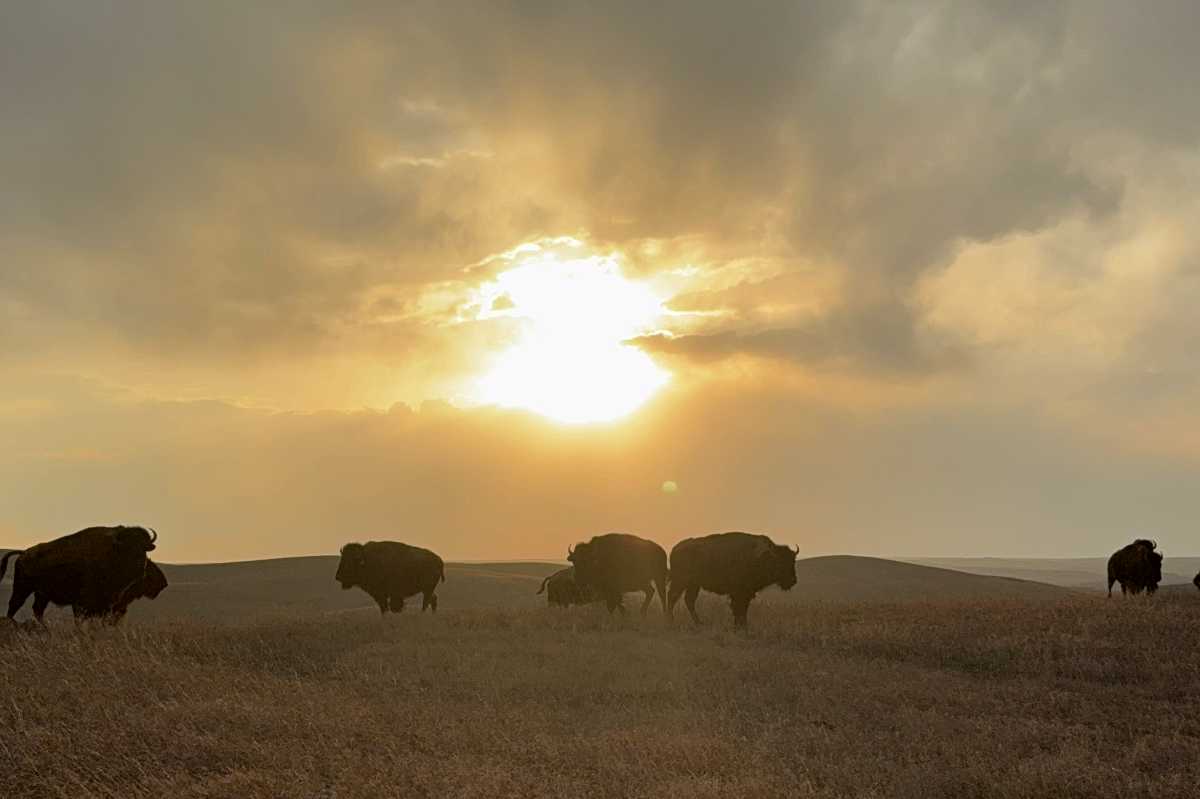
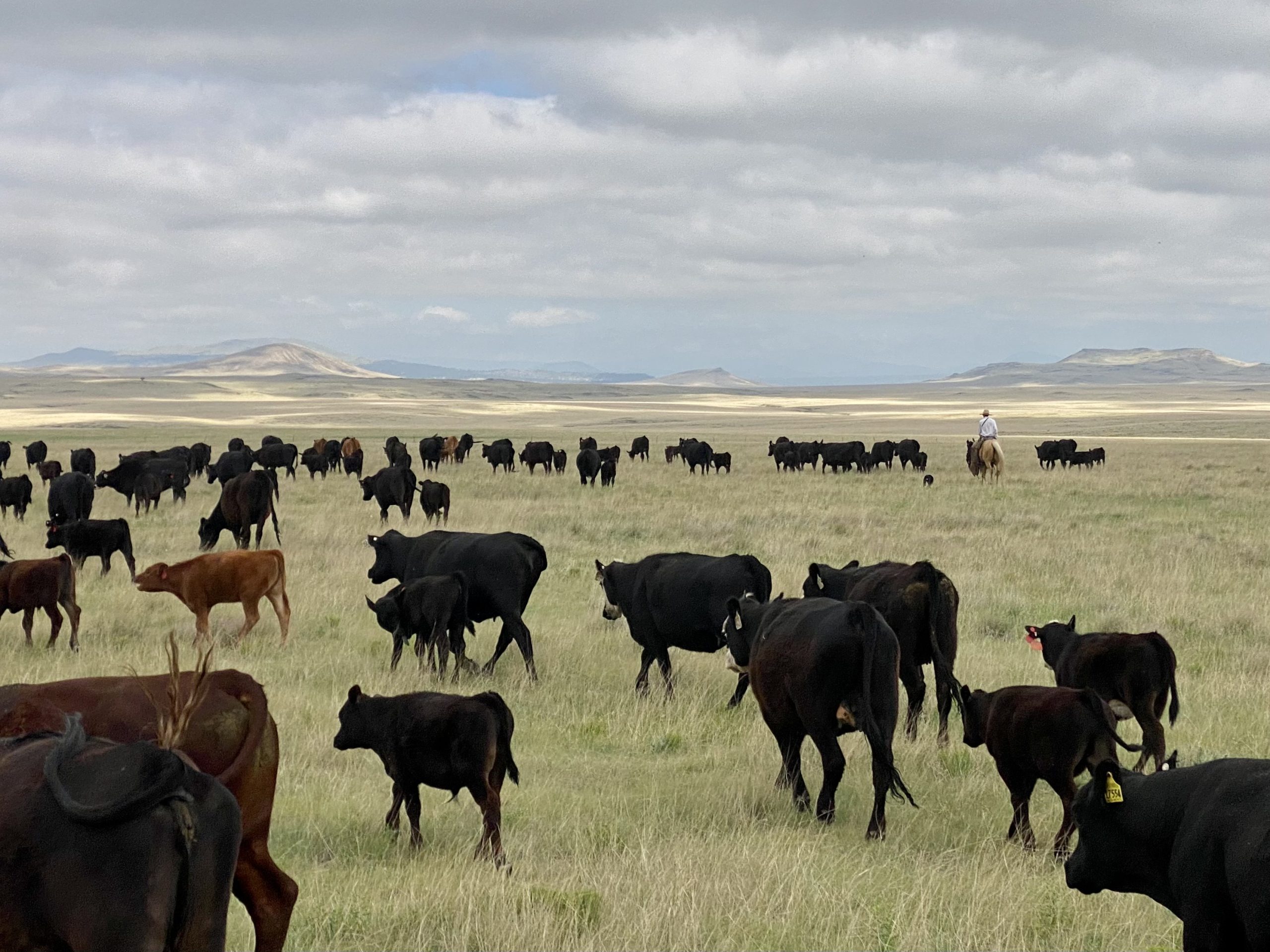
    Not necessarily disagreeing with the comment, but I suspect the picture is from Brazil not Iowa! Too flat! It gives the wrong impression and so is misleading.

More from

Commentary

Featured

Paulina Velasco from the Institute for Nonprofit News moderated a discussion with Brian Calvert, senior editor, Lisa Held, senior staff reporter and contributing editor, and Matt Wheeland, operations director.

Inside the Food Policy Tracker

At our latest Civil Eats virtual salon, our team talked about the launch and evolution of the Tracker, a running report on federal actions that affect food and agriculture.

Popular

Lorem Ipsum Post

EPA Hires Farm and Pesticide Lobbyist to Oversee Pesticide Regulation

A logo showing the Civil Eats Food Policy Tracker, looking like a radar following food policy proposals and actions

Can This Baltimore Academy Continue to Train Urban Farmers?

Denzel Mitchell at Black Butterfly Teaching Farm. (Photo credit: Sam Delgado)

EPA Funds Projects to Help Farmers Reduce Runoff Into the Great Lakes

A logo showing the Civil Eats Food Policy Tracker, looking like a radar following food policy proposals and actions