Building Stronger Communities Through Food Mutual Aid | Civil Eats STAGING

Building Stronger Communities Through Food Mutual Aid

At our Civil Eats virtual salon, food mutual aid organizers discussed the vital role of community networks in meeting food needs—and much more. 

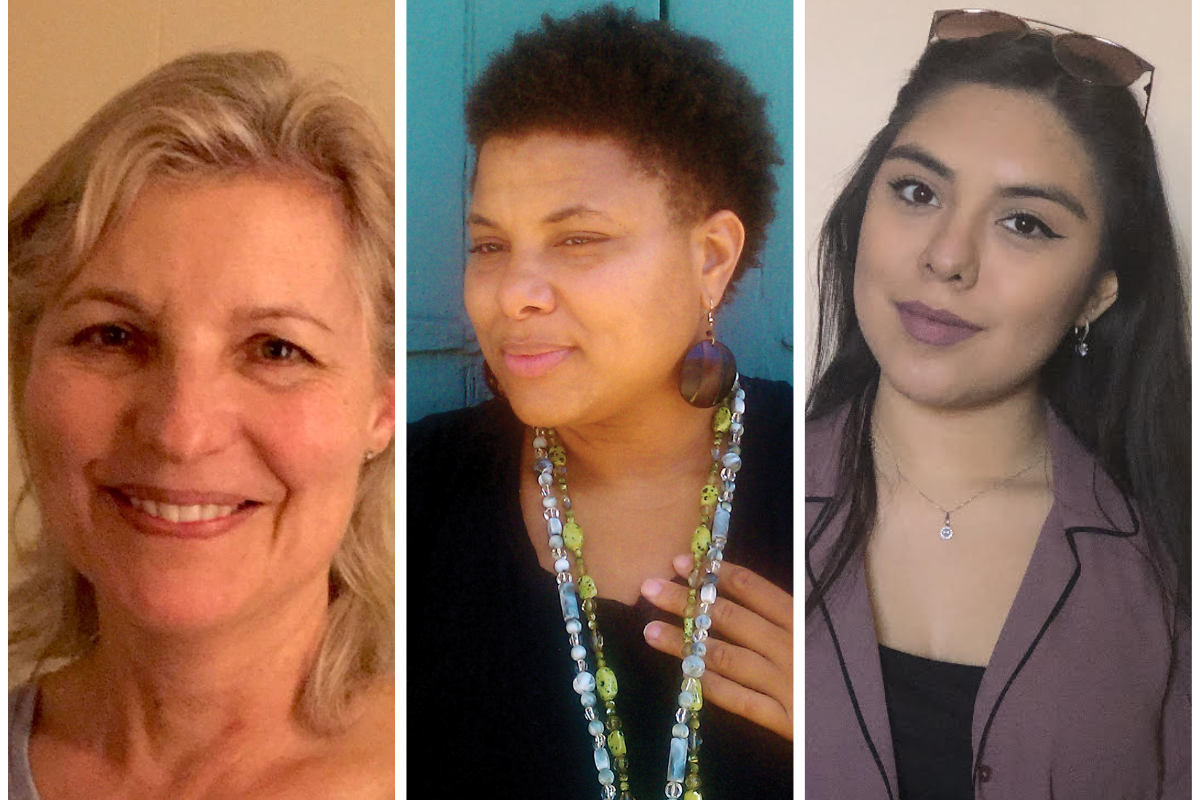
Civil Eats Editorial Director Margo True, Feed Durham founder Katina Parker, and Yasmin Ruiz, food justice co-organizer at Chicago’s Little Village Environmental Justice Organization.

Civil Eats Editorial Director Margo True, Feed Durham founder Katina Parker, and Yasmin Ruiz, food justice co-organizer at Little Village Environmental Justice Organization.

Last week, we welcomed Civil Eats members and the public to a thought-provoking and inspiring discussion on how to create and sustain food mutual aid. Our salons are usually for members only, but we felt that this inherently generous topic deserved to be shared with all interested listeners, particularly at a time when many of us might be supporting mutual aid in our communities.

Unlock the Full Story with a Civil Eats Membership

Expand your understanding of food systems as a Civil Eats member. Enjoy unlimited access to our groundbreaking reporting, engage with experts, and connect with a community of changemakers.

Join today

Who Spoke: The event was kicked off by Civil Eats Membership Manager Kalisha Bass, with a welcome from Executive Director Naomi Starkman.

Editorial Director Margo True moderated our conversation with Katina Parker, a filmmaker and founder of Feed Durham in North Carolina, and Yasmin Ruiz, food justice co-organizer at Little Village Environmental Justice Organization (LVEJO) in Chicago.

Feed Durham is a multifaceted program that feeds hundreds of people at a time and includes produce giveaways, clothing distributions, and repair clinics. LVEJO was founded 30 years ago to fight environmental injustice in the neighborhood, has now expanded into several different food mutual aid projects.

The Overview: The conversation centered around what true community care looks like, based not on charity but on reciprocity, and how people can care for one another during difficult times. The audience included people from across the U.S., many of whom work on farms, garden programs, and food access issues. They contributed a lively stream of chats during the discussion.

Many audience members were already working to feed people in their communities, and a few were encouraged by Parker to start new local projects such as community gardens to feed more people in need. By the time the salon ended, there was a palpable energy for change in the audience, with listeners vowing to connect with one another and the speakers after the session.

Become a member today for invitations to future salons—along with other benefits that come with being a Civil Eats member.
banner showing a radar tracking screen and the words

Nuggets From the Conversation  


What Is Food Mutual Aid?

  • Katina Parker emphasized that mutual aid is not about traditional power structures, but about shared responsibility and collective survival, as it was in her family and community: “Growing up, there were a lot of kids, and we never went hungry. . . . Surviving wasn’t just about sharing food, it was about knowing one another. It’s what Dr. King called ‘service.’ There’s a difference between service and volunteerism. Service is something that is built into our lives, it’s a way of being, it’s a lifestyle–and volunteerism is something you pencil in on a Saturday.”
  • Yasmin Ruiz of LVEJO defined mutual aid as “solidarity, as opposed to charity,” fostering empowerment and reciprocal relationships. “It’s not just you being on the receiving end, but giving back. It gives a sense of empowerment to people in the community, [and] allows us to take direct action to immediate needs we see.”

Tips for Sustaining a Food Mutual Aid Community

  • Learn from elders, Indigenous communities, and immigrants. Elders are a trove of expertise, and immigrants (who are sometimes also Indigenous, as in the case of the Little Village neighborhood) hold knowledge from their homeland, including of agricultural practices.
  • People on the receiving end need to be involved. Parker emphasized learning from unhoused individuals to prepare for societal disruptions, potentially including how to live outside, how the land and soil work, knowledge about weather conditions, and beyond. “Learn things from people that are different from us, particularly people who are closer to the earth. Native folks, unhoused people, veterans—they know a lot about the land.”


Turning Challenges Into Opportunities

We’ll bring the news to you.

Get the weekly Civil Eats newsletter, delivered to your inbox.

  • How to unite a group of people from disparate backgrounds into a true mutual aid community? Parker: “Unless you’re forging relationships across difference and really learning from one another, what you’re doing is what I would call ‘altruistic capitalism.’ What we need for what’s coming is to lean deeper into these relationships.”
  • Programs that once supported farmers, school food sourcing, and food banks are being cut, increasing reliance on mutual aid as available resources decrease. Ruiz noted LVEJO’s community gardens produced 8.2 tons of food last year, but the demand far exceeds supply. Continuing to build local partnerships is key.

Sources of Inspiration and Strength

  • Ruiz says it’s the relationships she forges with people in the community, and seeing how participating in mutual aid gives people agency and purpose. “A lot of people that have helped us are also people that have received produce and meals.”
  • For Parker, it’s often her family. “My faith and the memory of how I was raised, and how so many have looked out for me along the way. Many of them are still alive, in their 70s and their 80s now. I spend a lot of time talking with them . . . . Standing on those broad shoulders is definitely what keeps me in it, and an awareness that we need people to survive.”

Expanding Mutual Aid

  • Feed Durham is launching a national mutual aid network focused on rapid response and food access. “After four years of no rest, we have to find another gear and somehow dig deeper and be in the battle of our lives. . . .We have the best chance of getting the world that we’ve been fighting for right now, because things are so unstable and so unfamiliar.”

Read More About Food Mutual Aid

Support Civil Eats during NewsMatch

Stories change how we see food — and how we act on it.

From farmworkers to policymakers, Civil Eats lifts up the people building a better food system.

Your gift this season will be doubled through NewsMatch, fueling independent journalism that’s hopeful, honest, and free for all.

Together, we can keep these stories alive — and keep the movement growing.

Give Today.

Civil Eats Supporting Membership $60/year $6/month
Give One, Get One Membership $100/year
Learn more about our membership program

Since 2009, the Civil Eats editorial team has published award-winning and groundbreaking news and commentary about the American food system, and worked to make complicated, underreported stories—on climate change, the environment, social justice, animal welfare, policy, health, nutrition, and the farm bill—more accessible to a mainstream audience. Read more >

Like the story?
Join the conversation.


Warning: Undefined variable $aria_req in /srv/users/civileats/apps/civileats/public/wp-content/themes/CivilEats/comments.php on line 16

Warning: Undefined variable $aria_req in /srv/users/civileats/apps/civileats/public/wp-content/themes/CivilEats/comments.php on line 21

More from

Food Justice

Featured

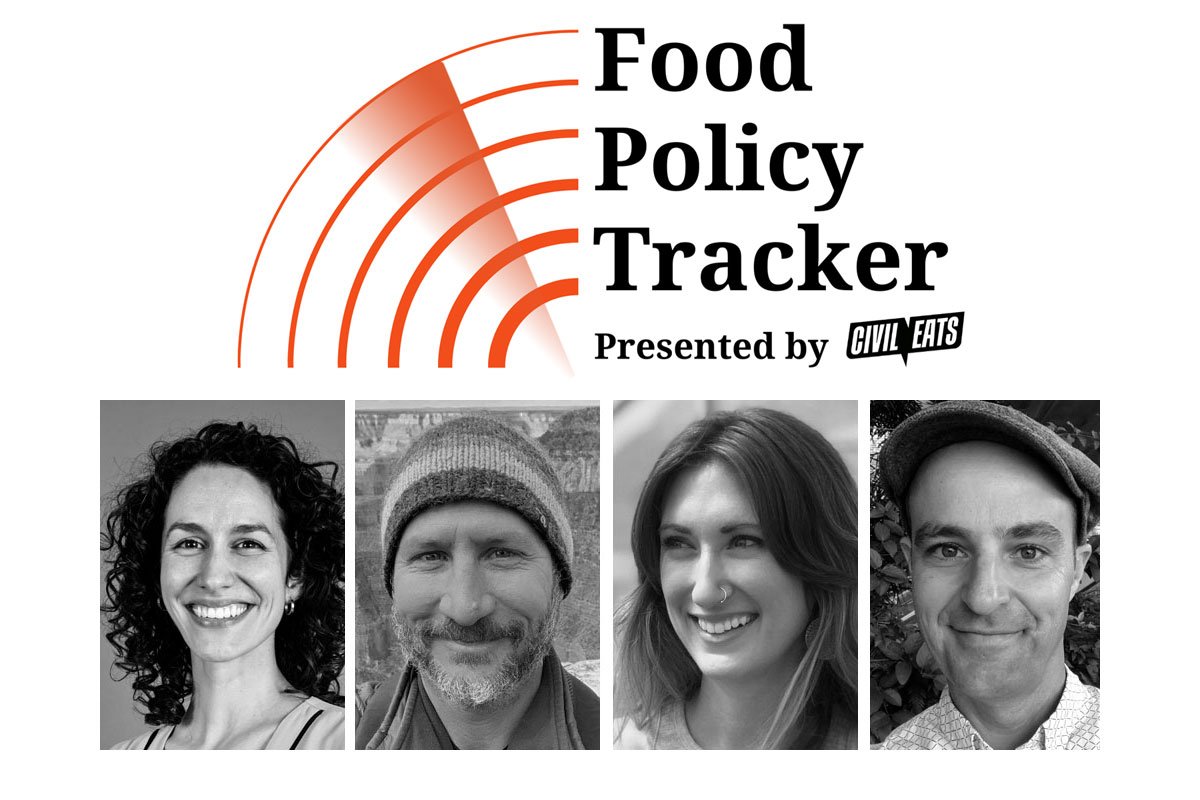
Paulina Velasco from the Institute for Nonprofit News moderated a discussion with Brian Calvert, senior editor, Lisa Held, senior staff reporter and contributing editor, and Matt Wheeland, operations director.

Inside the Food Policy Tracker

At our latest Civil Eats virtual salon, our team talked about the launch and evolution of the Tracker, a running report on federal actions that affect food and agriculture.

Popular

Lorem Ipsum Post

EPA Hires Farm and Pesticide Lobbyist to Oversee Pesticide Regulation

A logo showing the Civil Eats Food Policy Tracker, looking like a radar following food policy proposals and actions

EPA Funds Projects to Help Farmers Reduce Runoff Into the Great Lakes

A logo showing the Civil Eats Food Policy Tracker, looking like a radar following food policy proposals and actions

Department of Labor Suspends Protections for H-2A Guest Workers and Announces Plan to Bring in More

A logo showing the Civil Eats Food Policy Tracker, looking like a radar following food policy proposals and actions