
X
 [searchandfilter id="40551"]
[searchandfilter id="40551"]
[searchandfilter id="40551"] 
August 31, 2010



The latest egg recall teaches us that large-scale farms have a lot to lose—in dollars and cents—by not properly regulating the quality of their products. It also reaffirms loss in quality-control, food safety, and sustainable production for concerned consumers, environmentalists, and food activists. Both forces might agree that the food production system needs an overhaul. In order to accomplish such a feat, the measurement of that “success” will need a clear definition and a consensus from corporate conglomerates and food activists combined.
Expand your understanding of food systems as a Civil Eats member. Enjoy unlimited access to our groundbreaking reporting, engage with experts, and connect with a community of changemakers.
Already a member?
Login
Frederick Kaufman’s idea for a food revolution restores faith in big agriculture. His OnEarth article “What’s New for Dinner” suggests that if megafarms take measures to calculate and reduce their costs (in efficiency, water waste, electricity, nitrogen-use), their cash concerns will simultaneously support sustainable gains for food production. The Stewardship Index for Specialty Crops—a 2008 consortium of corporations, academics and industrial agriculture players—supports Kaufman’s vision. In Kaufman’s words:
“The Stewardship Index calls its proposed yardsticks ‘sustainability metrics,’ and the hope is that once everyone in the industry can quantify environmental sustainability, they will be able to compare and contrast their levels with those of their industry peers and eliminate their own excesses. The logic is fairly straightforward: sustainability aligns with efficiency, and the elimination of any size, shape, or form of wasted resource will save the world’s largest companies untold dollars, euros, and yuan. Thus will stewardship of the earth come to align with the profit motive, and sustainability metrics will become the lingua franca of staunch capitalist, radical environmentalist, and everyone in between. At least that’s the idea.”

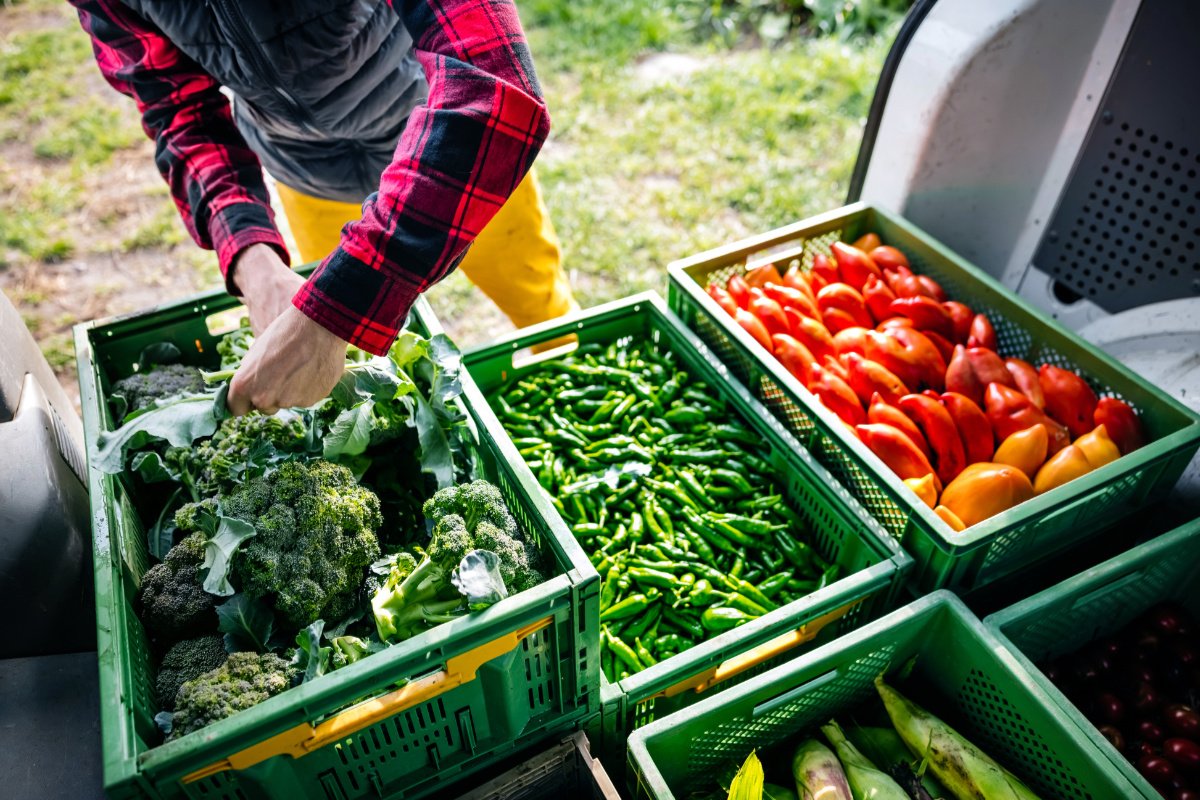
The majority of Kaufman’s investigatory focus is on water waste within the process tomato industry, but his larger attempt at connecting agriculture’s environmental concerns with corporate business problems redefines sustainability as a matter of mathematical efficiency. It’s not impossible that business and environmental objectives in the food world can enact a mutually beneficial solution for all players involved, but if more “efficient stewardship” merely translates into more misleading labels on our food packaging, no amount of measurement will align corporate sustainability programs with environmental and food activist demands.
Read Kaufman’s complete article here for a greater understanding of where the Stewardship Index for Specialty Crops plans to take efficient processing for industrial agriculture. It’s still in question what remains “new” (read: honestly beneficial for all parts of a sustainable food system) about a bottle of Ragu.

Stories change how we see food — and how we act on it.
From farmworkers to policymakers, Civil Eats lifts up the people building a better food system.
Your gift this season will be doubled through NewsMatch, fueling independent journalism that’s hopeful, honest, and free for all.
Together, we can keep these stories alive — and keep the movement growing.
Give Today.

June 26, 2025
At our latest Civil Eats virtual salon, our team talked about the launch and evolution of the Tracker, a running report on federal actions that affect food and agriculture.
January 20, 2025
July 2, 2025


Like the story?
Join the conversation.
Warning: Undefined variable $aria_req in /srv/users/civileats/apps/civileats/public/wp-content/themes/CivilEats/comments.php on line 16
Warning: Undefined variable $aria_req in /srv/users/civileats/apps/civileats/public/wp-content/themes/CivilEats/comments.php on line 21