X
 [searchandfilter id="40551"]
[searchandfilter id="40551"]
[searchandfilter id="40551"] 
October 12, 2010



When I first heard about it, I thought I understood what Food, What?! founder Doron Comochero meant by “youth empowerment.” It meant turning around high school kids’ attitude about school and their futures, and changing their eating habits to better themselves and their planet. It turns out that was only the half of it. On a beautiful fall evening recently, the Food, What?! staff held a fundraising dinner on the UCSC farm. Food, What?! “staff” are the students enrolled in the program.
Expand your understanding of food systems as a Civil Eats member. Enjoy unlimited access to our groundbreaking reporting, engage with experts, and connect with a community of changemakers.
Already a member?
Login
While City Schools board members, parents, and other Food, What?! supporters enjoyed a delicious meal prepared and served by students from the produce they had grown, student interns stood one by one to tell their stories. One intern had arrived in the program speaking only Spanish, and had learned to speak English working side by side with other students. Another intern said, “I wanted to look good in other kids’ eyes,” and Food, What?! taught him to see himself in a positive light. “It’s a life skill,” he said, “lending ourselves to all that positivity.” Positivity versus negativity; instead of complaining about fog, wind, heavy labor, and stinging insects, students withstood the tough working environment by encouraging each other. Clearly Doron had been talking with them about more than chard.
Doron and fellow Food, What?! founder Abby Bell also helped their interns to see themselves in a positive light by teaching them public speaking. Which was why–while we enjoyed baked polenta made from farm-grown corn, as well as vegetable kebabs, bean salad, and apple crisp all made from farm produce—the interns were standing one by one to tell their stories.
One student, a graduate of the program, spoke about her mom raising her and her brother single-handedly while working full-time. Her mom had a culinary background and was a great cook, yet with little money and a full-time job, she had fallen into the habit of providing fast food dinners. But the stories her daughter brought home from Food, What?! began to change how they ate. The way her daughter described it, instead of giving what money they had to a fast food chain, they increased the value of their dollar by giving it back to the community and preparing simple, healthy meals with the produce they bought.

Doron calls it “youth dollar power” and a vote for food justice. And that dollar goes both ways: Students enter the program as paid interns for the spring, summer, or fall; they open checking accounts and learn to manage their money; and as Food, What?! “staff,” they hold Board Meetings at the end of every year to discuss what has gone well and what needs improving.
Below the UCSC campus in public elementary schools, students of different races mix in the classroom and on the playground. But as they grow older a separation often occurs. Not so on the Food, What?! Farm, where students of diverse backgrounds labor side by side and prepare their meals together. They and Doron and Abby think of each other as family.
But Food Justice is flourishing in our elementary schools as well. This fall City Schools’ chef Jamie Smith raised the number of families applying for free and reduced lunch by 300 students or 10 percent. This gives a needed boost to school lunch funding and brings more students together around the table. And with studies showing that good nutrition raises academic performance, our new school food program may even make the proponents of standardized tests happy. Meanwhile, Food, What?! interns deliver CSA produce to the Beach Flats neighborhood and at least one local elementary school, further unifying the community behind something that’s good for all of us.

Stories change how we see food — and how we act on it.
From farmworkers to policymakers, Civil Eats lifts up the people building a better food system.
Your gift this season will be doubled through NewsMatch, fueling independent journalism that’s hopeful, honest, and free for all.
Together, we can keep these stories alive — and keep the movement growing.
Give Today.

June 26, 2025
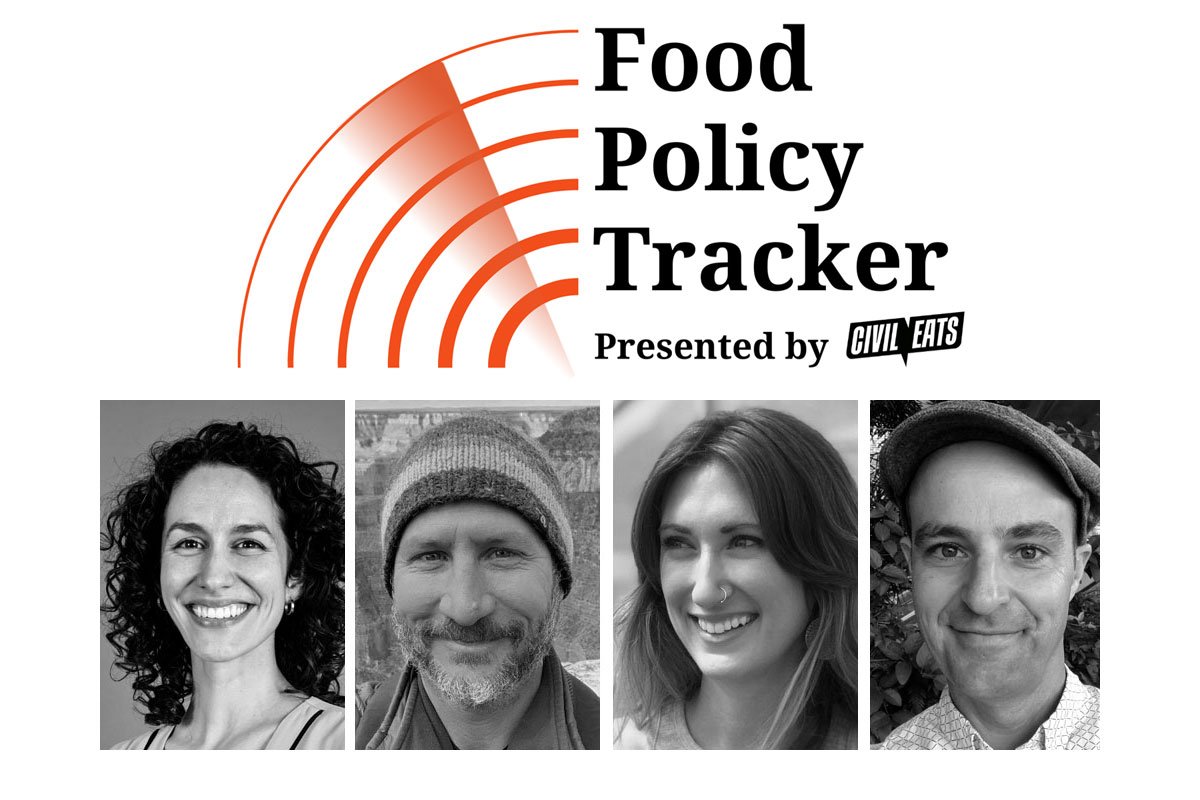
At our latest Civil Eats virtual salon, our team talked about the launch and evolution of the Tracker, a running report on federal actions that affect food and agriculture.
January 20, 2025
July 2, 2025
Like the story?
Join the conversation.
Warning: Undefined variable $aria_req in /srv/users/civileats/apps/civileats/public/wp-content/themes/CivilEats/comments.php on line 16
Warning: Undefined variable $aria_req in /srv/users/civileats/apps/civileats/public/wp-content/themes/CivilEats/comments.php on line 21