X
 [searchandfilter id="40551"]
[searchandfilter id="40551"]
[searchandfilter id="40551"] 
June 23, 2009




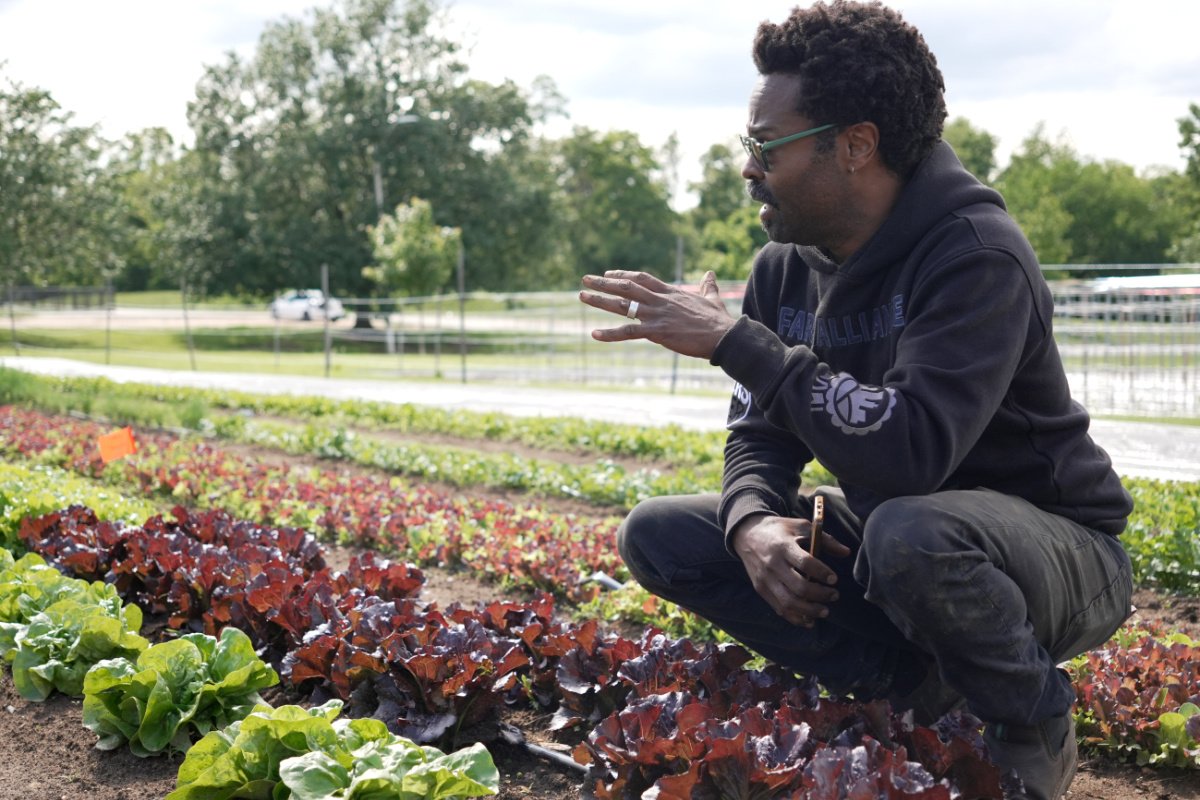
"Harvest Time in Harlem," an education program run by Slow Food USA.
Expand your understanding of food systems as a Civil Eats member. Enjoy unlimited access to our groundbreaking reporting, engage with experts, and connect with a community of changemakers.
Already a member?
Login
Last week, Michelle Obama made these remarks (VIDEO) to a group of fifth-graders who had just harvested 73 pounds of lettuce and 12 pounds of snap peas from the First Lady’s Garden on the White House Lawn:
“To make sure that we give all our kids a good start to their day and to their future, we need to improve the quality and nutrition of the food served in schools. We’re approaching the first big opportunity to move this to the top of the agenda with the upcoming reauthorization of the child nutrition programs. In doing so, we can go a long way towards creating a healthier generation for our kids.”
It wasn’t Michael Pollan who said those words. It was the First Lady. Coming from her, the phrase “big opportunity to move this to the top of the agenda” is a call to action we cannot ignore.
When children are given the chance to plant and pick and cook food that’s both delicious and good for them, they’re far more curious to give it a try—and more often than not, they like it. When those children are offered real food in the school cafeteria and at the family dinner table, they eat it. They begin to ask for it.
Michelle has said that when Sasha and Malia learned to enjoy real food, they started “lecturing” her about what she should be eating and “what a carrot does, what broccoli does” to our bodies. Her kids taught her to enjoy real food. Kids can lead the way.

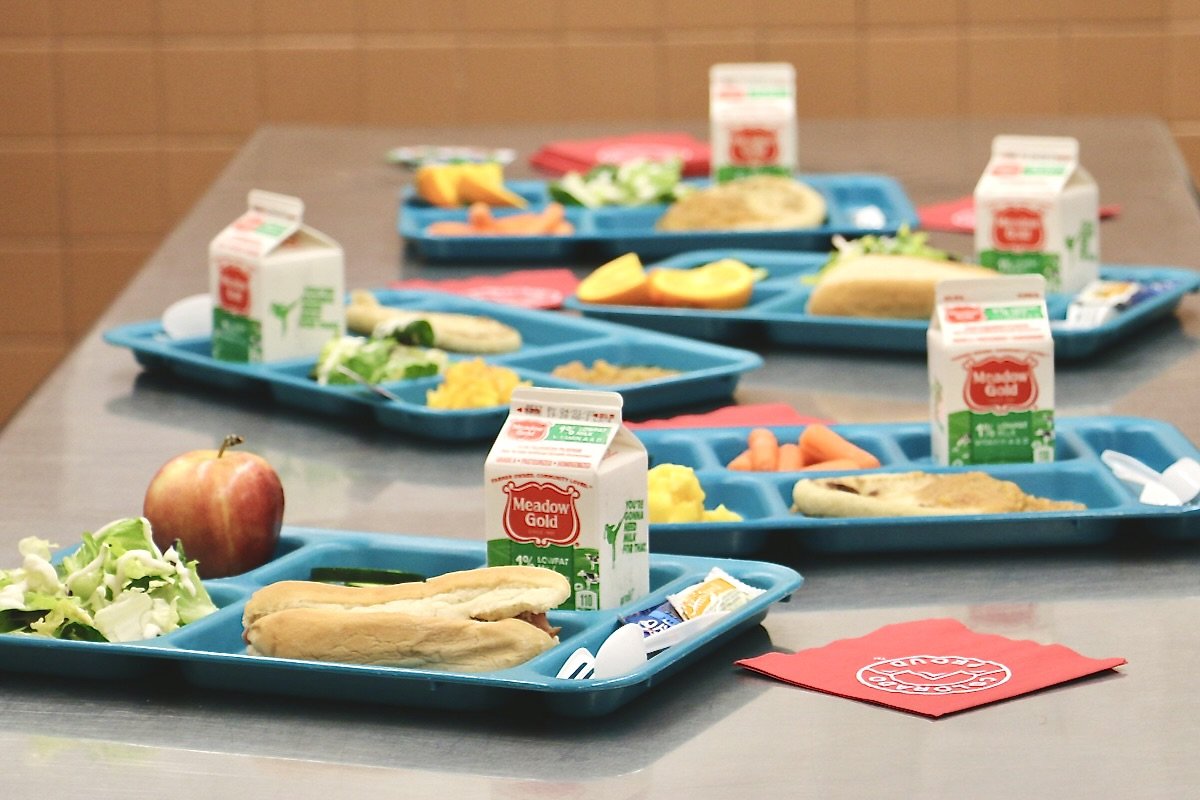
The National School Lunch Program provides a meal to 30 million children every school day. By giving schools the resources to serve real food, we can teach 30 million children healthy eating habits that will last throughout their lives. That’s a major down payment on health care reform. By providing 30 million children with locally grown fruits and vegetables, we can dramatically reshape the way this country grows and gets its food. By raising a generation of children on real food, we can build a strong foundation for their health, for our economy’s health and for America’s future prosperity.
This year, the Child Nutrition Act, which is the bill that governs the National School Lunch Program, is up for reauthorization. Unless citizens everywhere speak up this summer, “business as usual” in Congress will pass a Child Nutrition Act that continues to fail our children. We can do better.
Our leaders in Congress have to hear that everyday people in their districts refuse to accept the status quo. We have to tell them that when it comes to our children and the legacy we’re leaving them, change can’t wait.
That’s why a group of us are organizing a National Eat-In for Labor Day, Sept. 7, 2009. On that day, people in communities across America will gather with their neighbors for public potlucks that send a clear message to our nation’s leaders: It’s time to provide America’s children with real food at school.
To get the whole country to sit down and share a meal together we’re going to need the help of all kinds of people: parents, teachers, community leaders, kids and people who’ve never done anything like this before. We’re going to need everyone to pitch in, starting today—because with the President calling for health care reform and the First Lady planting a garden on the White House Lawn, we’ve got an opening to pass legislation that grants 30 million children the freedom to grow up healthy.
We can do it this year, but only if we act now. It’s time to get real food into schools.

Stories change how we see food — and how we act on it.
From farmworkers to policymakers, Civil Eats lifts up the people building a better food system.
Your gift this season will be doubled through NewsMatch, fueling independent journalism that’s hopeful, honest, and free for all.
Together, we can keep these stories alive — and keep the movement growing.
Give Today.

June 26, 2025
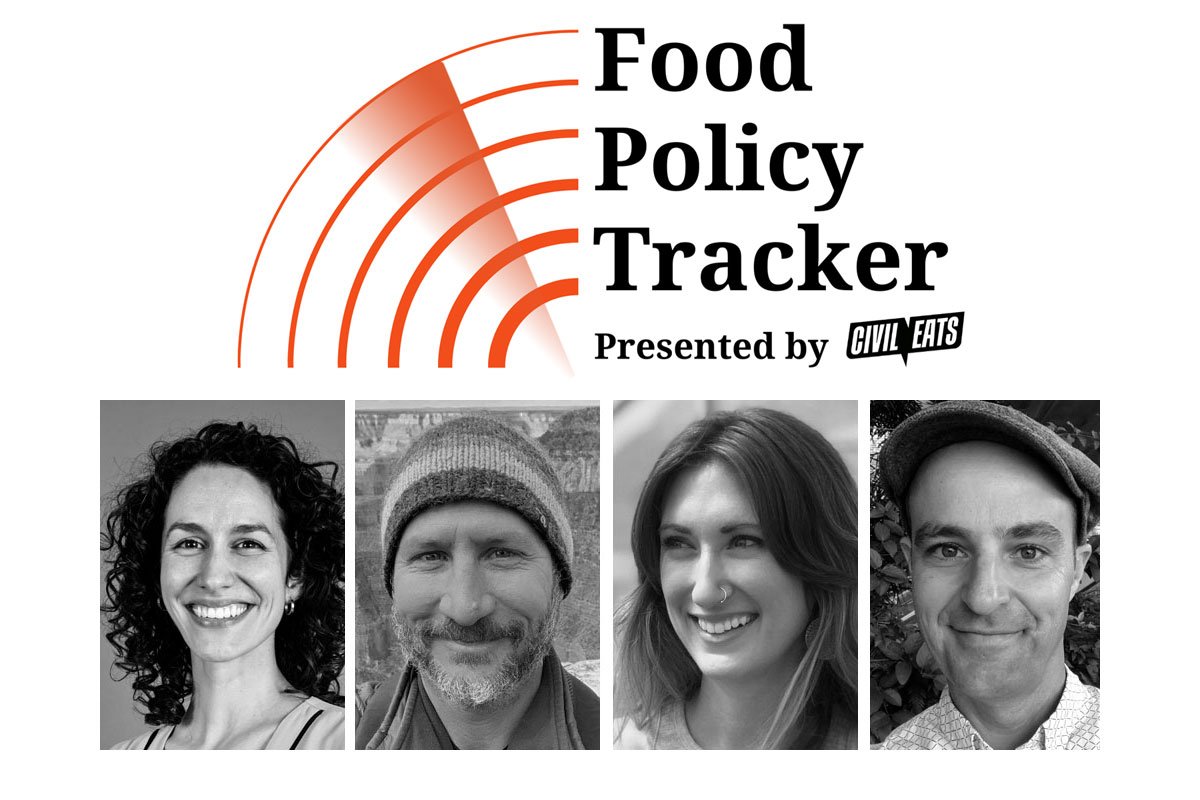
At our latest Civil Eats virtual salon, our team talked about the launch and evolution of the Tracker, a running report on federal actions that affect food and agriculture.
January 20, 2025
July 2, 2025
Like the story?
Join the conversation.
Warning: Undefined variable $aria_req in /srv/users/civileats/apps/civileats/public/wp-content/themes/CivilEats/comments.php on line 16
Warning: Undefined variable $aria_req in /srv/users/civileats/apps/civileats/public/wp-content/themes/CivilEats/comments.php on line 21