
X
 [searchandfilter id="40551"]
[searchandfilter id="40551"]
[searchandfilter id="40551"] 
June 18, 2014



The new documentary, Resistance opens with the story of Jessie Beam, who contracted an antibiotic-resistant strain of Methicillin-resistant Staphylococcus aureus (MRSA) in his early teens. The infection presented as run-of-the-mill soreness and fever at first, but his condition soon deteriorated until ultimately he fell into a coma. Beam survived the infection but has lasting mobility and health limitations. And he’s not alone.
Expand your understanding of food systems as a Civil Eats member. Enjoy unlimited access to our groundbreaking reporting, engage with experts, and connect with a community of changemakers.
Already a member?
Login
The film presents other stories similar to his: An active older man loses the use of his legs after contracting a staph infection while surfing. A young family loses their 18-month old son to an antibiotic-resistant infection within 24 hours. Rather than seeming trite or emotionally manipulative, these stories underline the real danger of antibiotic-resistant bacteria: Infection can happen to anyone no matter how old or how healthy.
With urgency and clarity, Resistance director Michael Graziano explores antibiotic resistance infections and looks at how and why we have “squandered” the medical miracle of antibiotics and what the future of medicine might look like without them. The film is currently embarking on a 50-state screening tour sponsored by Applegate, and is supported by organizations such as Environmental Working Group, Food & Water Watch, Natural Resources Defense Council, The Pew Charitable Trusts, and Slow Food USA.
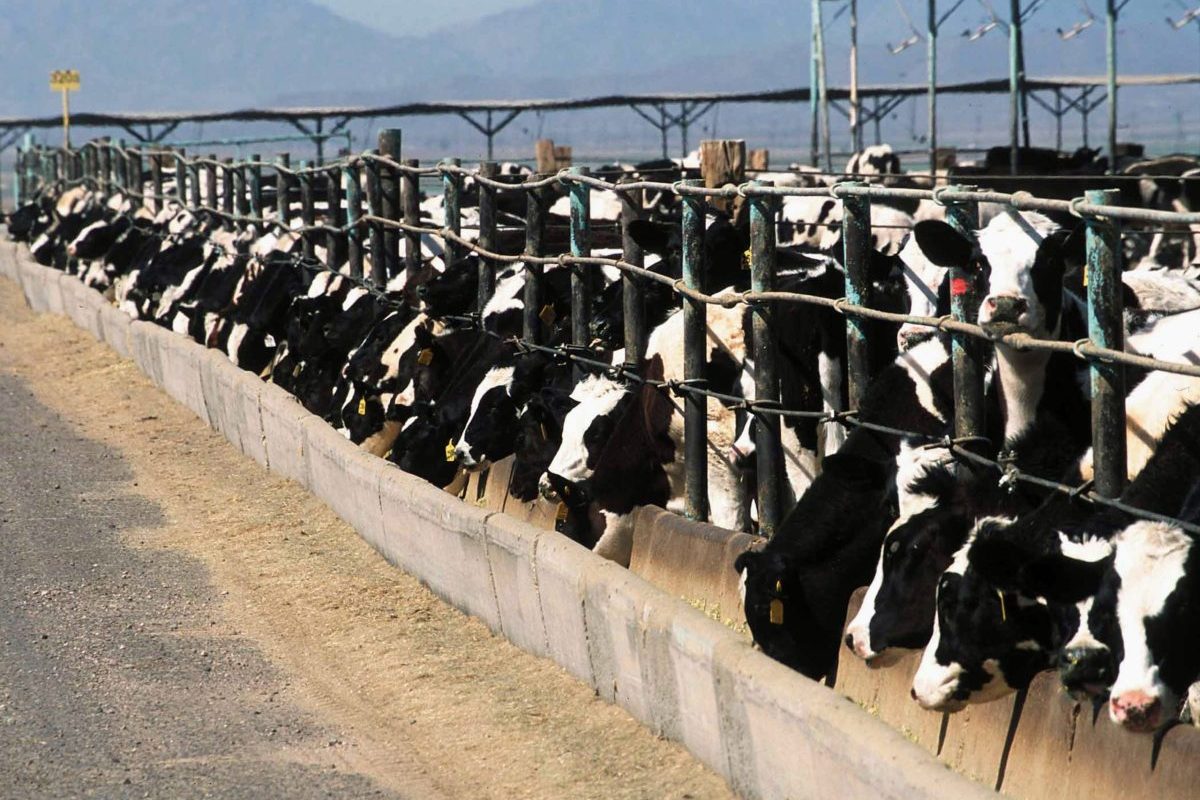
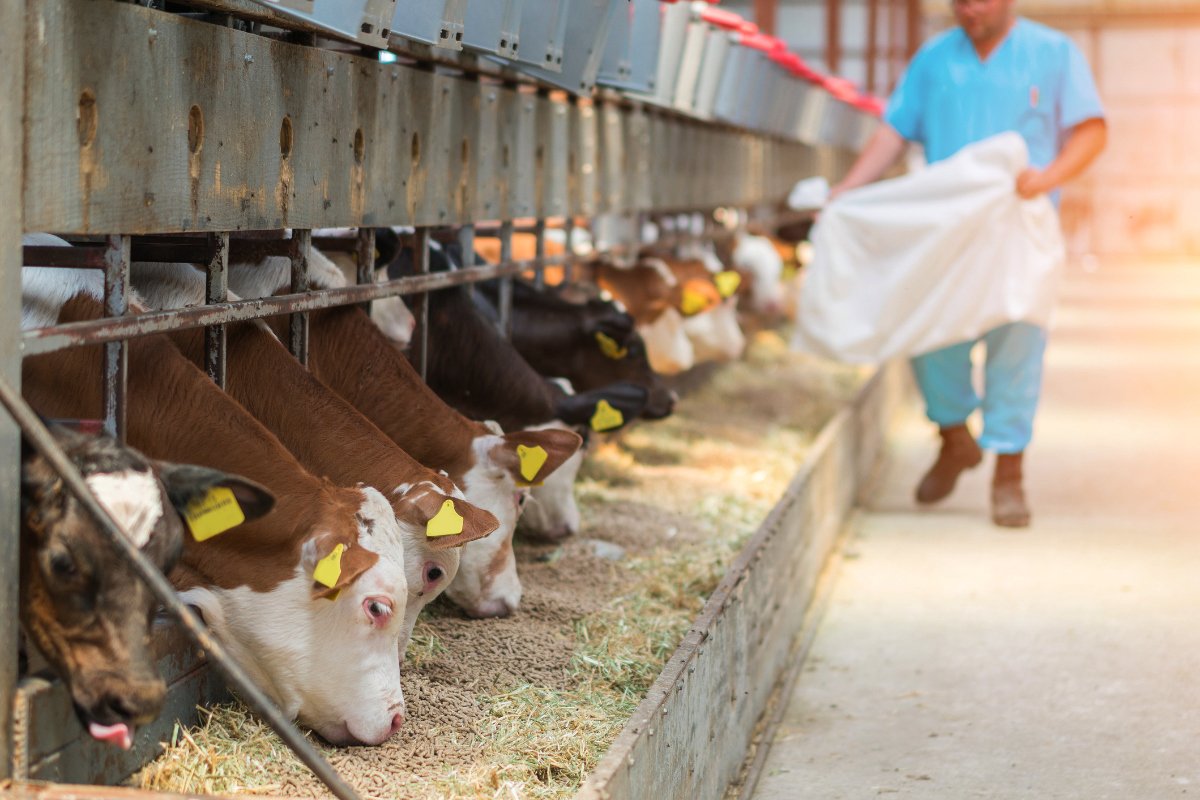
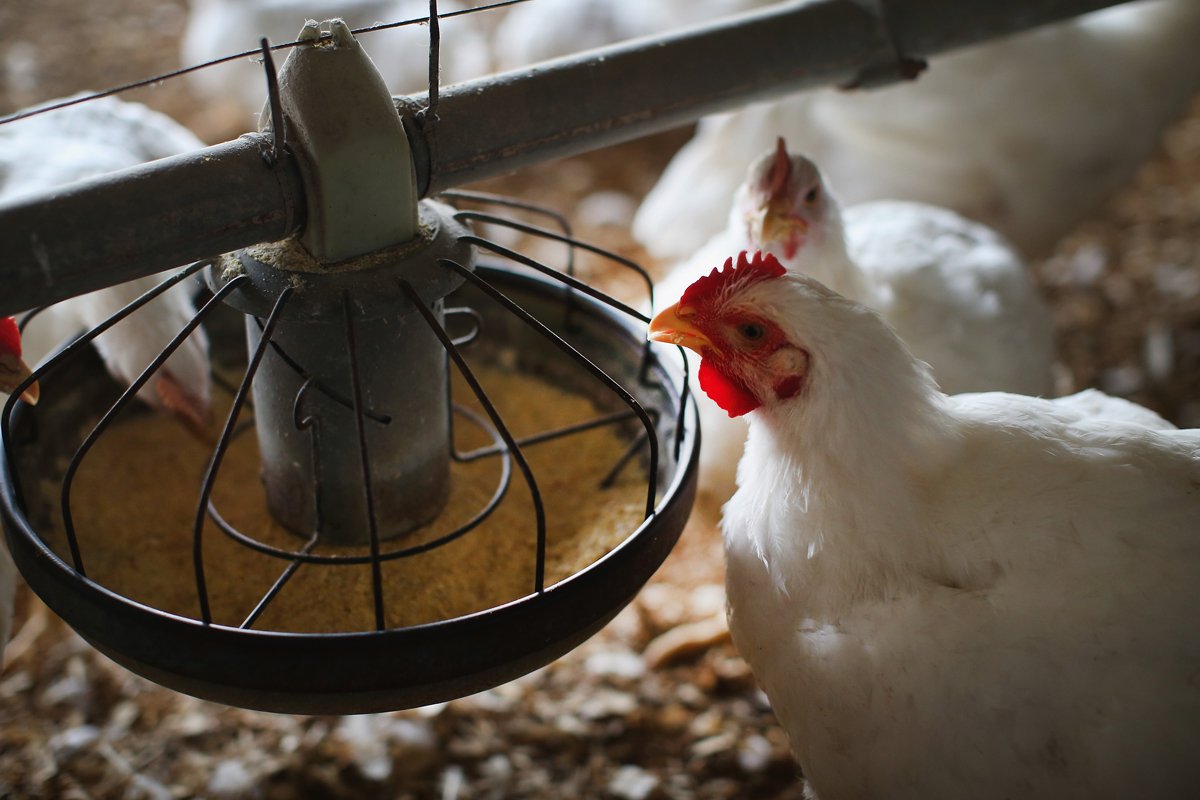
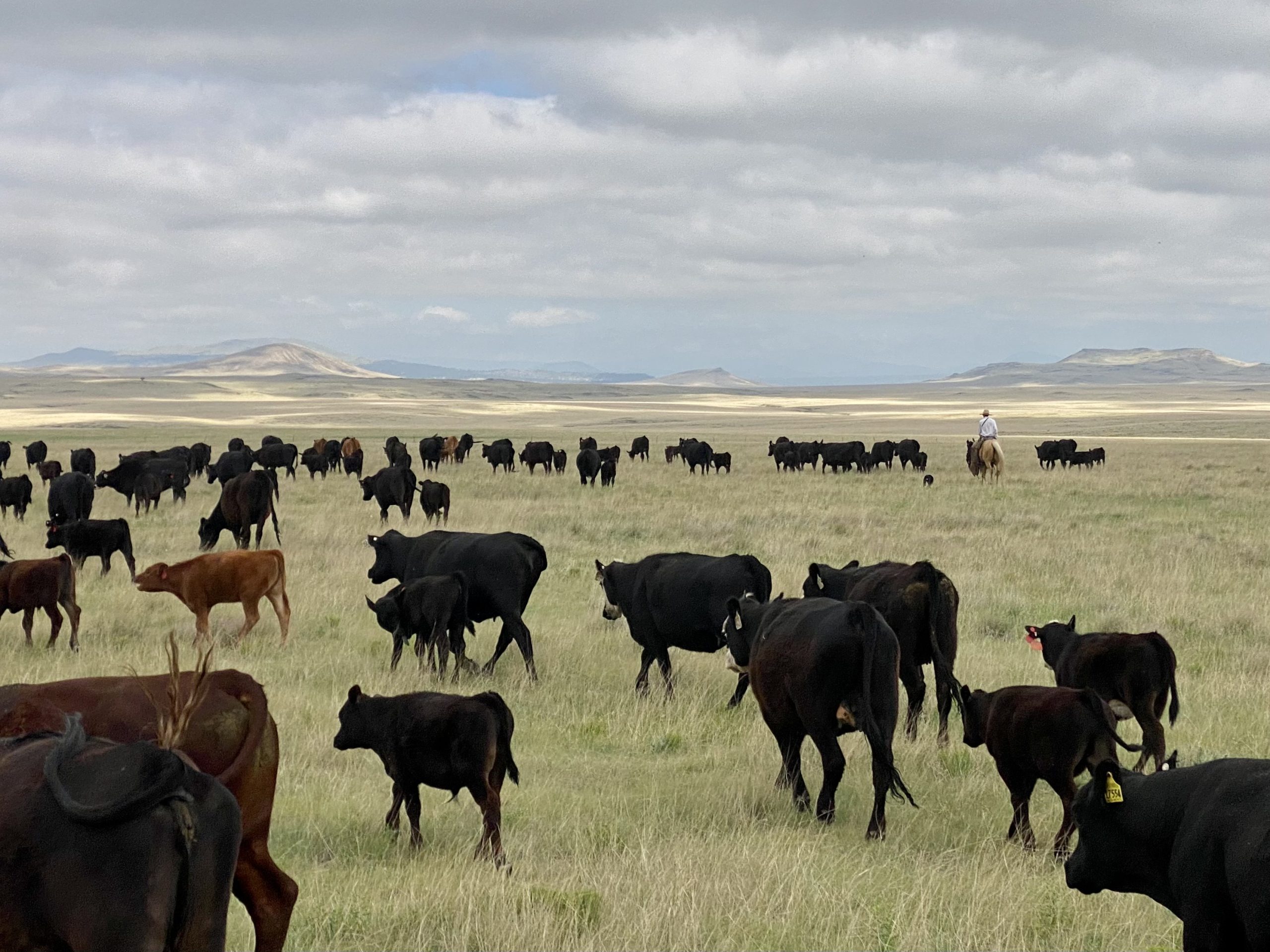
In addition to over-prescription of antibiotics in the medical industry (and the fact that many patients fail to finish their prescriptions once they feel better), Resistance ties the problem to our current animal farming practices. In fact, around 80 percent of the antibiotics consumed in the U.S. are used in livestock operations. In confined animal feeding operations (CAFOs), animals are often dosed daily with antibiotics to prevent illness. The drugs are also tied to growth promotion, a more controversial use that is harder to prove, yet the subject of recent FDA recommendations to meat producers.
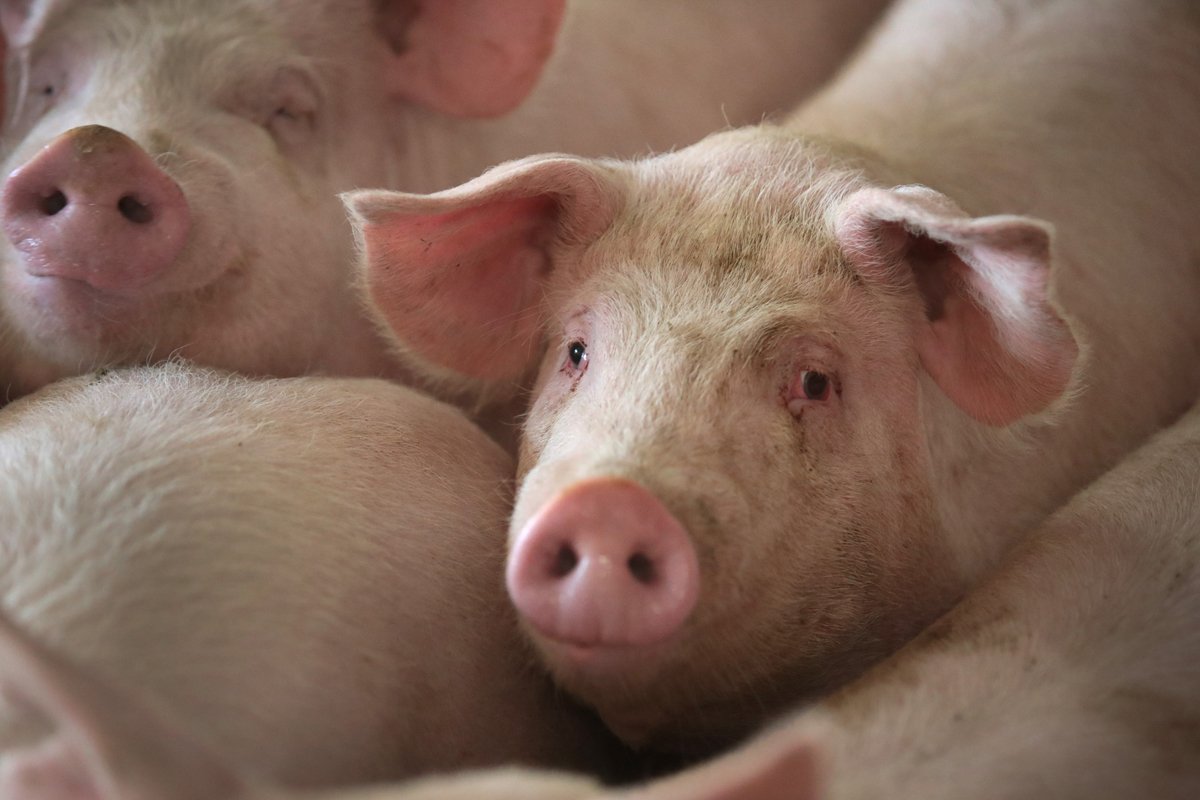
It’s common practice on industrial farms to dose pigs and cows with antibiotics in their feed and through regular injection. Because these animals are kept in crowded, dirty conditions, farmers preemptively treat them to avoid losing profitable animals to disease. But the consequences of unnecessary use of antibiotics is twofold. Bacteria that experience constant exposure to antibiotics will mutate into stronger, resistant strains. Additionally, human consumption of antibiotic-injected meat leads to resistance to the drugs in human beings.

According to the film, it is now perfectly common for most grocery store meat to contain strains of Salmonella that are resistant to more than one drug. That means that contracting Salmonella, a treatable bacteria even if your immune system doesn’t fight it off on its own, could lead to serious sickness or even death, even among healthy people. This is a significant medical setback. Many experts in the film warn of a return to a “pre-penicillin” era, where our arsenal of antibiotics are no longer effective and the consequences of contracting even a minor infection could be dire.
“Most of the structure of modern medicine relies on the deployment of antibiotics,” says Maryn McKenna a journalist and author who specializes in drug-resistant infectious disease, in the film. Doctors will continue to prescribe antibiotics even while they are aware that overuse is contributing to resistance. And the meat industry’s use of antibiotics is equally entrenched. Daily usage of antibiotics is driven by extremely slim profit margins that make it impossible for farmers to shoulder the loss of even a few animals to disease. In order for these farmers to loosen their ties to antibiotics, a shift toward less-crowded, and less-concentrated, animal farms.
There is some precedent for eliminating antibiotic usage in the meat industry–the European Union banned antibiotics in 2004 after a public outcry against dosing practices. Resistance profiles doctors and farmers in Denmark testifying to the continued success of their meat industry since the policy change. Farmers adjusted quickly to the changes and profits in the meat industry rose (and similar efforts have taken place in the Netherlands). Given that Denmark produces the same number of pigs as Iowa, the U.S.’s largest pork-producing state, experts in the film argued that similar changes here are highly feasible.
Resistance ends on a different note than many similar documentaries. Rather than providing the audience with a few soundbites about ways to take action in their personal lives and tackle the problem from the ground up, this film emphasizes the role of policy change. While we can try and control our own over exposure to antibiotics, real reform will require change at the top. In a recent post-screening panel in New York City, several experts discussed local and federal policy initiatives to address the prudent use of antibiotics. But panelists made it clear that these efforts have not yet gone far enough and that the public must speak out loudly against antibiotic overuse.
“If the citizens became knowledgeable about this situation, they would take action,” said Dr. Martin Blaser, director of the New York University Human Microbiome Program, who pointed out that 148,000 people are already dying each year from antibiotic-resistant infection. “Left to its own devices, the situation will only get worse,” he told the audience.
More information about the Resistance screening tour at ResistanceTheFilm.com.

Stories change how we see food — and how we act on it.
From farmworkers to policymakers, Civil Eats lifts up the people building a better food system.
Your gift this season will be doubled through NewsMatch, fueling independent journalism that’s hopeful, honest, and free for all.
Together, we can keep these stories alive — and keep the movement growing.
Give Today.

June 26, 2025
At our latest Civil Eats virtual salon, our team talked about the launch and evolution of the Tracker, a running report on federal actions that affect food and agriculture.
January 20, 2025
July 2, 2025

Like the story?
Join the conversation.
Warning: Undefined variable $aria_req in /srv/users/civileats/apps/civileats/public/wp-content/themes/CivilEats/comments.php on line 16
Warning: Undefined variable $aria_req in /srv/users/civileats/apps/civileats/public/wp-content/themes/CivilEats/comments.php on line 21