Civil Eats TV: Regenerative Ranching in a Pandemic | Civil Eats STAGING

Civil Eats TV: Regenerative Ranching in a Pandemic

Loren Poncia of Stemple Creek Ranch explains the opportunities and challenges raising livestock with regenerative practices during COVID-19.

loren poncia stands in the doorway of his barn

Coronavirus is hitting the meat industry hard. It’s impacting workers in meatpacking facilities, many of whom are getting sick and dying.

Unlock the Full Story with a Civil Eats Membership

Expand your understanding of food systems as a Civil Eats member. Enjoy unlimited access to our groundbreaking reporting, engage with experts, and connect with a community of changemakers.

Join today

At the same time, distribution has caused bottlenecks in the food supply, especially in large-scale meat production, and, due to public policies that have allowed the industry to become highly consolidated, many farmers are being forced to kill their animals, while others are seeking to find ways to sell them in ad-hoc, online markets.

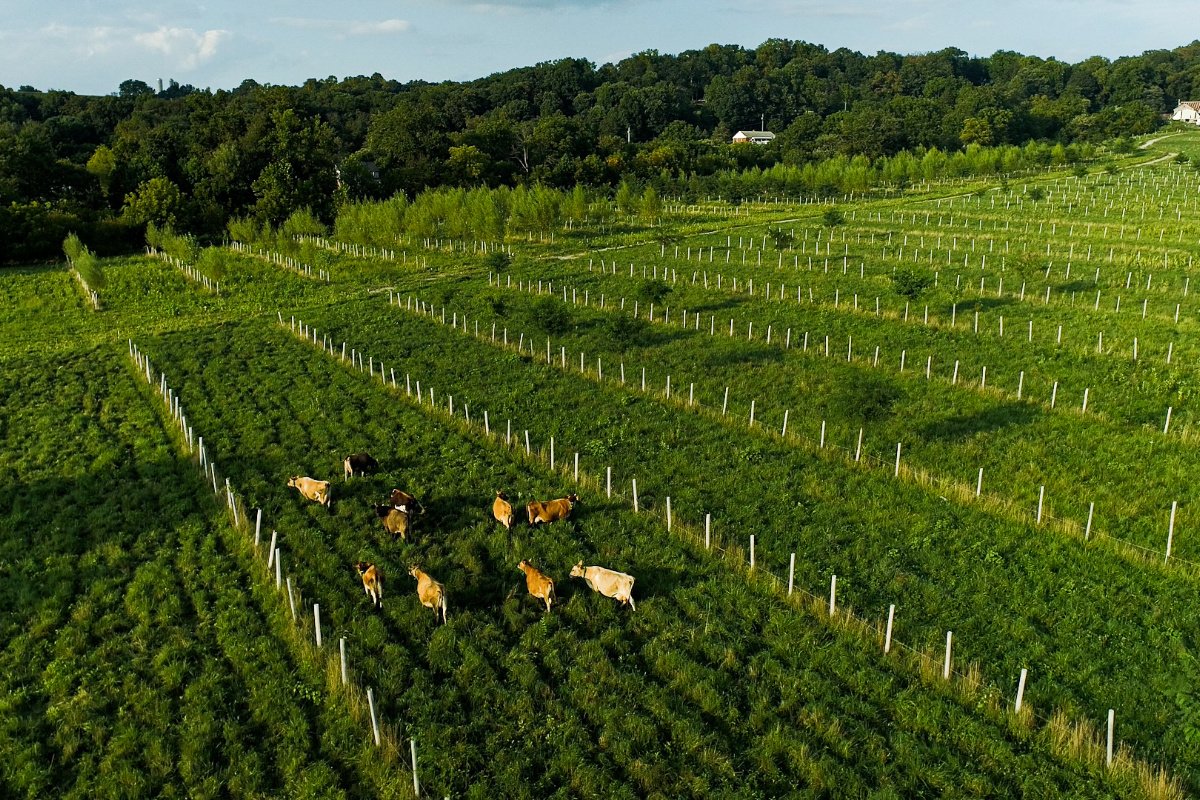
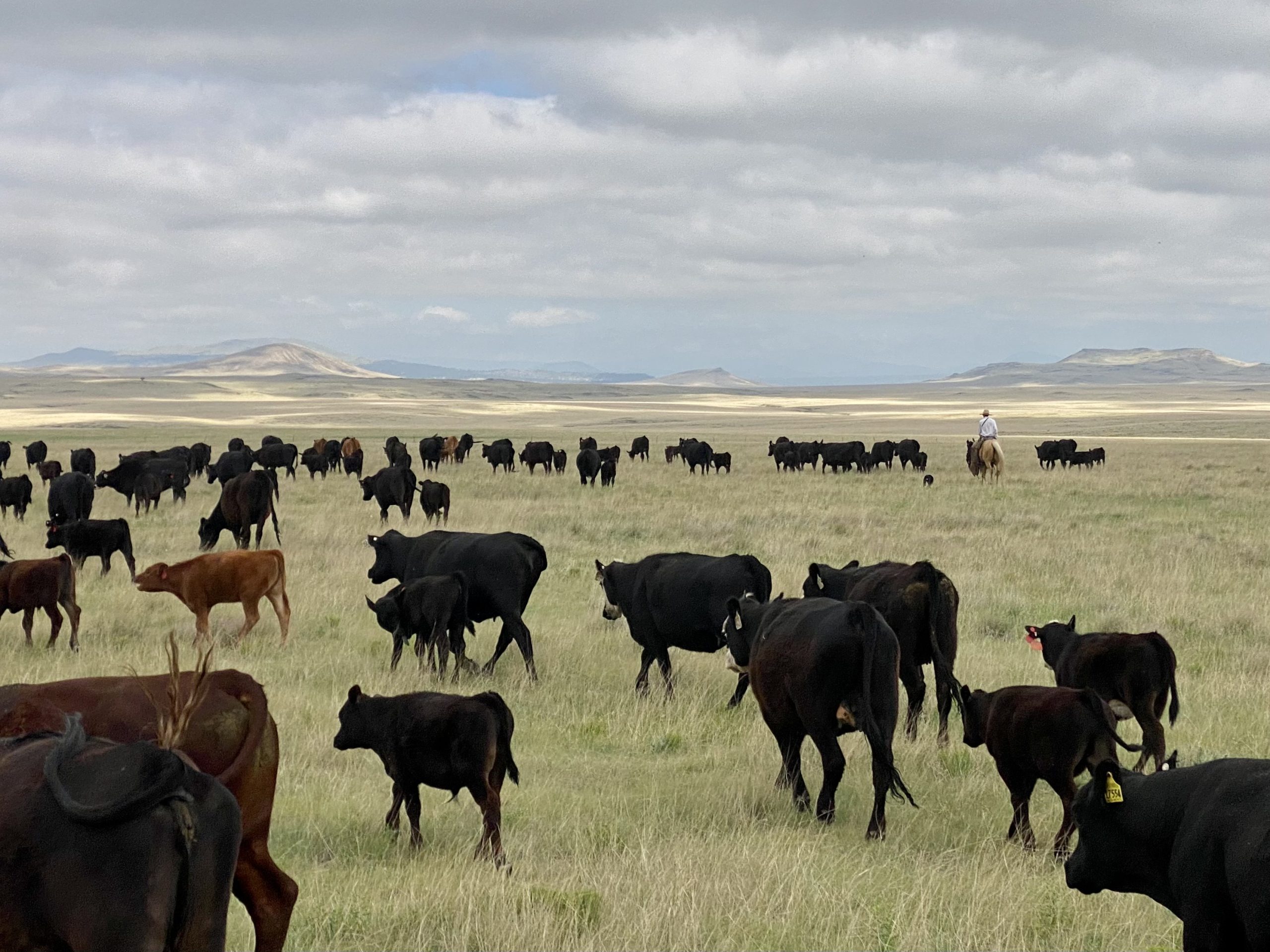
cows in loren poncia's regenerative agriculture ranch at stemple creek

Meanwhile, some small-scale and pasture-based farmers and the processors with whom they work are experiencing record demand for their products.

As our senior policy reporter Lisa Held explains, for years, many have “touted the superior resilience of their alternative system, which they see as returning value to regional economies and respecting animals, workers, and the environment.”

We wanted to learn more about how the pandemic has impacted a regenerative, pasture-based rancher managing all of these complications, so we visited Loren Poncia, owner of Stemple Creek Ranch and a fourth-generation rancher in Tomales, California.


banner showing a radar tracking screen and the words

Poncia says his goal is to “raise an awesome, wholesome, nutritious product, and, at the same time, do the dance with Mother Nature to build soil health and biodiversity.” As one of the first operations to develop an official carbon-farming plan in the state of California, Poncia has been working toward creating a perennial pasture that helps sequester carbon in the soil.

Poncia is part of a growing movement of regenerative agriculture among farmers and ranchers, who, despite naysayers, believe that carbon farming helps to mitigate climate change.

Like many farms and ranches, Stemple Creek Ranch lost 99 percent of its restaurant business when COVID-19 hit. Poncia was able to quickly pivot to sell direct to consumers, and that aspect of his business is now booming, he says. But the change hasn’t been without its challenges; he has to work with a dozen processors in multiple locations to cut his meat into consumer-friendly packages—he now travels more than 200 miles to reach some of the limited slaughter facilities that can process his meat.

Loren Poncia of Stemple Creek, just north of San Francisco, travels across the state to reach meat processors.

Loren Poncia of Stemple Creek (Point A, just north of San Francisco) travels across the state to reach meat processors.

“Processing is the huge bottleneck,” says Poncia. “If we had more local processing [facilities], it would be way better for the carbon footprint, it would be better for the animals, and hopefully better for the consumers as well.”

He notes that the crises occurring at large meat processing facilities show that efficiency isn’t necessarily resilient. “You can have 3,000 people working in one facility, right next to each other . . . or you can have a smaller-scale [facility] where there are 5 to 15 people, and do social distancing, the way we need to, but it’s not as efficient.”

All of this adds to the cost associated with Poncia’s small, niche business, but it’s one he says reflects the true cost accounting of an agriculture system that’s better for people and the planet.

“You can eat less meat, and eat better-quality meat. Or you can get with friends and family and buy larger quantities,” says Poncia. “There’s definitely a lot of power in consumers being able to vote with their dollars, and that’s [what I] hope comes out of this COVID experience, that people really connect to local producers.”


We’ll bring the news to you.

Get the weekly Civil Eats newsletter, delivered to your inbox.

loren poncia of stemple creek ranch talks to civil eats tv about regenerative ranching during a pandemic

Photos and video by Mizzica Films.

Support Civil Eats during NewsMatch

Stories change how we see food — and how we act on it.

From farmworkers to policymakers, Civil Eats lifts up the people building a better food system.

Your gift this season will be doubled through NewsMatch, fueling independent journalism that’s hopeful, honest, and free for all.

Together, we can keep these stories alive — and keep the movement growing.

Give Today.

Civil Eats Supporting Membership $60/year $6/month
Give One, Get One Membership $100/year
Learn more about our membership program

Since 2009, the Civil Eats editorial team has published award-winning and groundbreaking news and commentary about the American food system, and worked to make complicated, underreported stories—on climate change, the environment, social justice, animal welfare, policy, health, nutrition, and the farm bill—more accessible to a mainstream audience. Read more >

Like the story?
Join the conversation.


Warning: Undefined variable $aria_req in /srv/users/civileats/apps/civileats/public/wp-content/themes/CivilEats/comments.php on line 16

Warning: Undefined variable $aria_req in /srv/users/civileats/apps/civileats/public/wp-content/themes/CivilEats/comments.php on line 21
  1. Patti Hurst
    Loren, enjoyed the video, great information, am sending it on to friends and family. Keep using those boxes and liners! You and your team are doing a fabulous job!
  2. Very grateful for having this brought to my attention by Bioneers. This is exactly the sort of businesses that teens need to know exist, not only in order to support them financially through their purchases, but by convincing their school systems to partner w other youth groups like 4H, Eagle Scouts, and Junior Achievement in order to create new educational models.

More from

Animal Ag

Featured

Paulina Velasco from the Institute for Nonprofit News moderated a discussion with Brian Calvert, senior editor, Lisa Held, senior staff reporter and contributing editor, and Matt Wheeland, operations director.

Inside the Food Policy Tracker

At our latest Civil Eats virtual salon, our team talked about the launch and evolution of the Tracker, a running report on federal actions that affect food and agriculture.

Popular

Lorem Ipsum Post

EPA Hires Farm and Pesticide Lobbyist to Oversee Pesticide Regulation

A logo showing the Civil Eats Food Policy Tracker, looking like a radar following food policy proposals and actions

Can This Baltimore Academy Continue to Train Urban Farmers?

Denzel Mitchell at Black Butterfly Teaching Farm. (Photo credit: Sam Delgado)

EPA Funds Projects to Help Farmers Reduce Runoff Into the Great Lakes

A logo showing the Civil Eats Food Policy Tracker, looking like a radar following food policy proposals and actions